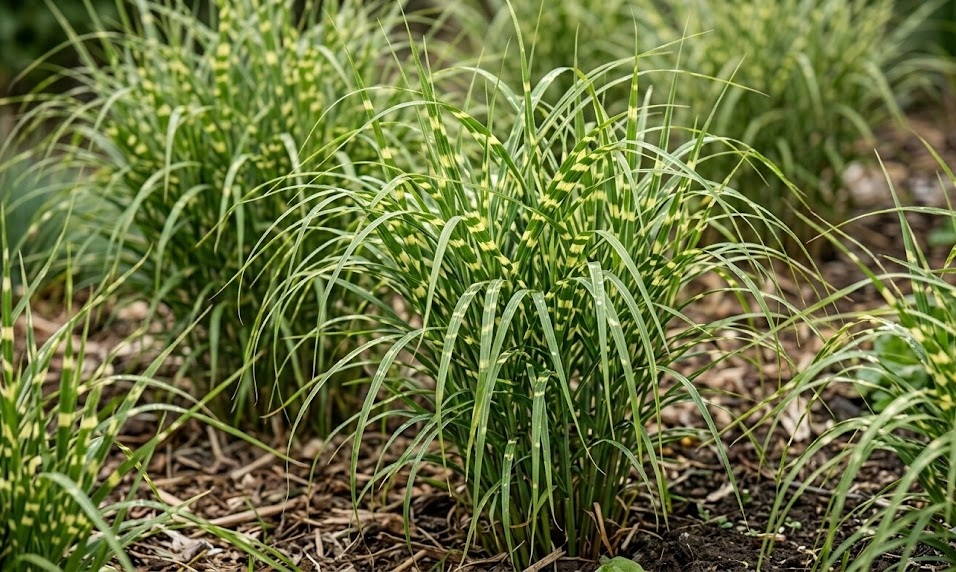

While zebra grass is exceptionally hardy, it is not entirely immune to the challenges of the natural world. Gardeners should be aware of the various diseases and pests that can occasionally affect the health and appearance of this plant. Most issues can be managed easily if they are identified early and treated with the correct professional methods. Understanding the signs of trouble is the first step toward maintaining a vibrant and healthy landscape.
One of the most common fungal issues that can affect Miscanthus species is known as rust. This appears as small, orange or brownish pustules on the underside of the leaves, which can eventually lead to premature yellowing. Rust thrives in humid conditions where air circulation is poor around the dense foliage of the plant. If you notice these spots, it is important to act quickly to prevent the fungus from spreading to the entire clump.
Another potential problem is root rot, which is almost always a result of poor drainage or overwatering. If the base of the stems becomes mushy or starts to smell foul, the roots are likely struggling in anaerobic conditions. Zebra grass needs oxygen in the soil to function properly, and standing water cuts off this vital supply. Improving the soil structure or reducing the watering frequency is the best way to combat this specific issue.
Leaf spot is another fungal disease that can sometimes mar the beauty of the banded foliage. It presents as dark, circular or irregular spots on the leaves, which can merge and cause the leaf to die back. This is often caused by overhead watering or prolonged periods of rainy weather in the late spring. Keeping the foliage dry and removing heavily infected leaves can help to keep the disease under control.
Identifying common garden pests
Compared to many other garden plants, zebra grass is relatively unappealing to most common pests. However, aphids can sometimes colonize the young, tender shoots in the early spring as they emerge from the ground. These tiny insects suck the sap from the plant, which can cause the new leaves to look distorted or curled. A strong blast of water from a garden hose is often enough to dislodge and control a small aphid population.
More articles on this topic
Spider mites can become a problem during very hot and dry periods in the middle of the summer. You might notice very fine webbing between the stems or a dusty, speckled appearance on the surface of the leaves. Mites are difficult to see with the naked eye, but their damage can quickly dull the vibrant yellow bands. Increasing the humidity around the plant or using a mild insecticidal soap can effectively manage these tiny pests.
Mealybugs are another occasional visitor that can hide in the tight crevices at the base of the leaf sheaths. They look like small, white, cottony tufts and can be quite persistent if left untreated. These insects also produce a sticky substance called honeydew, which can lead to the growth of unsightly black sooty mold. Regularly inspecting the base of the plant will help you catch these hitchhikers before they cause significant harm.
In some regions, deer and rabbits might take an interest in the young green shoots in the early spring. However, as the leaves mature and become tougher and more fibrous, they usually lose their appeal to local wildlife. If you have a high population of grazing animals, you might need to use a temporary physical barrier until the grass grows taller. Generally, zebra grass is considered to be quite resistant to damage from deer once it is established.
Environmental stressors and physiological issues
Not every brown spot or yellow leaf is caused by a disease or a living pest. Sometimes, the plant is simply responding to environmental stress caused by extreme weather conditions. Sunscald can occur if a very hot period follows a long stretch of cloudy, wet weather. This results in bleached or papery patches on the leaves that were not prepared for the sudden intensity of the ultraviolet rays.
More articles on this topic
Wind damage is another physiological issue that can make a healthy plant look diseased or neglected. Strong gusts can cause the leaves to rub against each other, leading to mechanical scarring or frayed edges. While this doesn’t harm the long-term health of the grass, it can detract from its professional appearance in the landscape. Planting the grass in a slightly sheltered location can help to minimize this type of physical wear and tear.
Drought stress often mimics the symptoms of certain diseases, making it important to check the soil moisture levels first. A thirsty zebra grass will have drooping leaves and a generally dull color, which can be mistaken for a root issue. If the plant recovers quickly after a deep watering, then the problem was simply a lack of hydration. Always eliminate environmental factors before jumping to the conclusion that a disease is present in your garden.
Nutrient deficiencies can also cause changes in leaf color that might look like a viral infection. For example, a lack of magnesium can lead to yellowing between the veins of the older leaves. This is why maintaining a balanced fertilization routine is so important for the overall health of the plant. A healthy, well-fed grass is much better equipped to naturally resist attacks from pests and pathogens.
Preventive measures and organic solutions
The best way to deal with pests and diseases is to prevent them from becoming an issue in the first place. Providing adequate spacing between your plants is the most effective way to ensure good air circulation. This keeps the humidity levels down and prevents the leaves from staying wet for too long after rain. A well-ventilated garden is naturally less hospitable to many common fungal diseases like rust and mildew.
Maintaining a clean garden environment is also a critical part of a professional pest management strategy. In the late winter, when you cut back the old grass, be sure to remove all the dead material from the site. This old foliage can harbor fungal spores and insect eggs that are waiting for the warmer weather to activate. Disposing of this material away from the garden or in a hot compost pile breaks the cycle of infection.
If you do need to treat a problem, start with the least toxic options available to you. Neem oil and insecticidal soaps are very effective against soft-bodied insects like aphids and mites. These products are generally safe for beneficial insects like ladybugs and bees if applied correctly. Always read the labels and apply these treatments in the late evening to avoid burning the leaves in the sun.
For fungal issues, a simple baking soda solution can sometimes act as a mild and effective preventative. Mixing a small amount of baking soda with water and a drop of dish soap creates a spray that changes the pH on the leaf surface. This makes it much harder for fungal spores to germinate and take hold of the plant. This organic approach is both cost-effective and environmentally friendly for the conscious gardener.
Monitoring and long-term plant health
A healthy zebra grass is a resilient plant that can easily bounce back from minor pest or disease pressure. The key is to monitor your garden regularly so that you can intervene at the earliest possible stage. A quick walk through the garden once a week is usually enough to spot any unusual changes in the foliage. Early detection is often the difference between a simple fix and a major garden headache.
Keep a mental or written note of when certain problems occur during the growing season. Many pests and diseases are tied to specific weather patterns or times of the year. If you know that rust usually appears in late August, you can be extra vigilant during that time. This proactive approach allows you to stay one step ahead of nature’s challenges throughout the year.
If a plant becomes severely diseased and does not respond to treatment, it may be best to remove it entirely. This prevents the problem from spreading to other healthy specimens in your landscape. While it is always sad to lose a plant, protecting the rest of your collection is the professional thing to do. You can then solarize the soil or improve the drainage before planting a new specimen in that spot.
Finally, remember that a diverse garden is a healthy garden. By planting a variety of species alongside your zebra grass, you encourage a balanced ecosystem of predators and prey. Beneficial insects will move in to take care of many common pests for you, reducing the need for chemical intervention. Nature has its own ways of maintaining balance if we provide the right environment for it to thrive.

