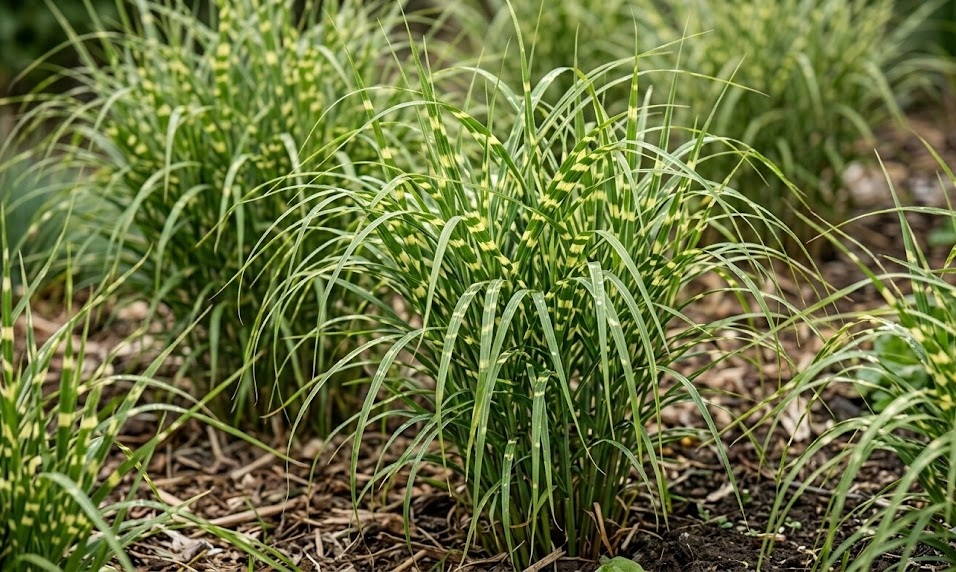

Zebra grass is one of the most distinctive ornamental grasses found in modern landscapes today. Its unique horizontal yellow bands provide a visual rhythm that is hard to find in other species. Growing this plant successfully requires an understanding of its natural lifecycle and specific needs. When you provide the right environment, this grass will flourish for many years with minimal effort.
Proper care begins with selecting the right location within your garden space. This plant needs plenty of room to expand both horizontally and vertically over time. You should consider the ultimate height of the specimen before placing it near smaller perennials. Giving it enough breathing room ensures that air circulates freely around the dense foliage.
Soil preparation is another cornerstone of maintaining a healthy ornamental grass display. While this species is relatively adaptable to different soil types, it prefers fertile ground. You can improve poor soil by adding organic matter such as compost or well-rotted manure. This creates a stable foundation that supports the vigorous growth seen during the peak summer months.
The aesthetic appeal of the plant remains high throughout the entire growing season. In the early spring, the new shoots emerge with a fresh green color. As the temperatures rise, the characteristic yellow stripes become more pronounced and vibrant. This color transition is a natural part of the plant’s development and signals its health.
Essential soil conditions
The success of your gardening efforts depends heavily on the quality of the substrate. Zebra grass thrives best in a soil that can hold some moisture without becoming waterlogged. Heavy clay soils can be problematic if they do not drain well during the winter. You might need to add some grit or sand to improve drainage in these specific areas.
More articles on this topic
Nutrient availability plays a vital role in the intensity of the leaf coloration. A soil rich in nitrogen will support fast leaf growth but might weaken the stems. It is better to aim for a balanced nutrient profile that encourages overall plant sturdiness. Testing your soil every few years can help you understand what might be lacking in the ground.
The acidity of the soil is generally not a major concern for this hardy grass. It can tolerate a wide range of pH levels, from slightly acidic to slightly alkaline. However, extreme levels should be corrected to ensure that the plant can absorb nutrients effectively. Most garden soils in this region are perfectly suitable without extensive chemical modification.
Mulching around the base of the plant can significantly improve the soil environment. A layer of organic mulch helps to retain moisture and suppress competing weeds. Over time, as the mulch breaks down, it adds valuable organic matter back into the earth. This practice mimics the natural leaf litter that would accumulate in a wild setting.
Spacing and garden placement
When planning your garden layout, you must account for the mature width of the grass. A single clump can eventually reach a diameter of over one meter at its base. If you plant several specimens too close together, they will lose their individual architectural shape. Proper spacing allows each plant to stand out as a focal point in the landscape.
More articles on this topic
Consider the height of the grass when choosing its neighbors in a flower bed. Since it can grow quite tall, it is usually best placed at the back of a border. This prevents it from overshadowing smaller plants that require direct sunlight to bloom. The tall stems also serve as an excellent living screen or backdrop for colorful perennials.
Wind exposure is a factor that many gardeners overlook when choosing a spot. While the stems are flexible, very strong winds can cause the tall grass to lean or split. Placing it near a fence or a group of sturdy shrubs can provide some much-needed wind protection. This ensures that the plant maintains its upright and elegant stature throughout the autumn.
The visual impact of zebra grass is enhanced when it is placed near water features. The reflection of the banded leaves in a pond creates a very serene and natural atmosphere. Additionally, the plant enjoys the slightly higher humidity often found near garden water elements. It bridges the gap between the aquatic environment and the drier parts of the garden perfectly.
Seasonal maintenance routines
Spring is the time for the most significant maintenance task, which involves cutting back the old growth. You should perform this before the new green shoots start to emerge from the center. Removing the dead foliage allows sunlight to reach the crown of the plant immediately. This jumpstarts the growing process and prevents the center from becoming congested with old material.
During the summer months, the primary focus shifts to monitoring the health of the leaves. If the yellow bands appear faded, it might be a sign of insufficient sunlight or extreme heat stress. You should check the plant regularly for any signs of physical damage from storms. Gently removing any broken stems will keep the plant looking tidy and professional.
Autumn is when the plant reaches its peak height and often begins to produce feathery flower spikes. These plumes add another layer of texture to the garden as the rest of the greenery begins to fade. You do not need to remove these flowers as they provide interest during the colder months. Many gardeners enjoy the way the dried plumes catch the morning frost.
Winter care is mostly about protecting the crown of the plant from excessive wetness. While the top growth dies back, it still serves a purpose by insulating the root system. You can tie the dry stems together to prevent them from scattering across the lawn during winter gales. This also creates an interesting vertical element in the snowy landscape.
Managing growth and longevity
Zebra grass is a long-lived perennial that can remain in the same spot for decades. However, as the plant ages, the center of the clump may begin to die out. This creates a ring-like appearance that is less attractive than a full, dense mound. When this happens, it is usually a signal that the plant needs to be rejuvenated through division.
The speed of growth can vary depending on the local climate and the amount of water available. In very favorable conditions, the grass can become quite large in just a few seasons. If it outgrows its allocated space, you can easily trim the edges of the root ball. This helps to keep the plant within the desired boundaries of your garden design.
Regularly checking the density of the foliage can give you clues about the plant’s vigor. A healthy specimen will have stems that are packed closely together at the base. If the growth appears sparse, it might be time to supplement the soil with some light compost. This provides a fresh boost of energy for the following growing season.
Longevity is also tied to how well you protect the plant from extreme environmental shifts. Drastic changes in the water table or sudden construction nearby can stress the root system. By maintaining a consistent environment, you ensure that the grass remains a permanent fixture. Its reliability is one of the reasons it is so popular among professional landscapers.
Companion planting strategies
Choosing the right partners for zebra grass can elevate the entire look of your garden. Dark green evergreens provide a perfect contrast to the bright yellow stripes of the grass. This contrast makes the unique patterns of the ‘Zebrinus’ cultivar pop even more. Boxwoods or yews are excellent choices for creating a structured background.
Flowering perennials with bold colors also work exceptionally well alongside this grass. Purple coneflowers or deep red sedums create a vibrant color palette that lasts until late autumn. The fine texture of the grass leaves complements the larger, solid flowers of these plants. It creates a balanced composition that feels professional and well-thought-out.
You can also use the grass to add movement to a static garden arrangement. Because the leaves are thin and flexible, they sway gently in the slightest breeze. This brings a dynamic element to the landscape that static shrubs cannot provide. Watching the light play on the moving leaves is a very relaxing experience.
Avoid planting very aggressive spreaders too close to the base of the grass. While zebra grass is tough, it does not like to compete with invasive groundcovers for nutrients. Keeping a small circle of clear soil or mulch around the base is a good practice. This gives the grass the best chance to expand its root system without interference.
Final considerations for success
Observation is the best tool any gardener has when caring for ornamental grasses. By looking at the plant every week, you will learn to recognize its subtle signals. A slight droop in the leaves might mean it is thirsty, while pale colors might suggest a lack of sun. Responding quickly to these small signs prevents bigger problems from developing later.
Keep a record of when you perform major tasks like dividing or heavy fertilizing. This help you establish a routine that fits the specific microclimate of your own backyard. Every garden is slightly different, and what works for a neighbor might need adjustment for you. Your personal experience will eventually become your best guide for care.
Don’t be afraid to experiment with how you use the grass in your overall design. It is a very versatile plant that can fit into modern, rustic, or even formal garden styles. Its architectural form allows it to act as a living sculpture in the right setting. Enjoy the process of finding the perfect spot for this remarkable plant.
Finally, remember that gardening is a long-term relationship with nature and the land. Zebra grass is a patient plant that rewards consistent, moderate care rather than intense, sporadic effort. By following these professional guidelines, you ensure a beautiful display for many years to come. Your garden will benefit from the structure and color that this unique grass provides.