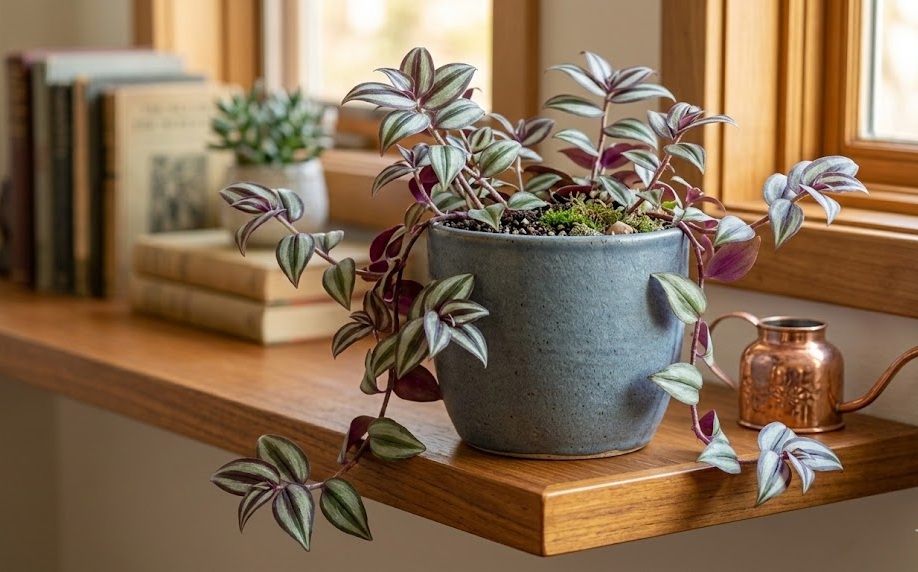

Successful cultivation of this vibrant indoor plant begins with understanding its natural tropical origins and specific environmental preferences. You need to provide a balanced atmosphere where humidity and temperature remain consistent throughout the growing season to ensure lush foliage. It is important to observe the leaf patterns closely as they often signal if the plant is thriving or struggling with its current placement. By mastering the fundamental aspects of its maintenance, you can enjoy a cascading display of silver and purple leaves for many years.
Maintaining an ideal temperature range is one of the most critical factors for keeping your plant healthy and vibrant. These plants generally prefer temperatures between eighteen and twenty-four degrees Celsius, which aligns perfectly with most residential indoor environments. You should avoid placing the pot near cold drafts from windows or direct blasts from air conditioning units during the summer months. Exposure to temperatures below ten degrees Celsius can cause significant damage to the cellular structure of the leaves and may lead to root rot.
The substrate you choose serves as the foundation for the root system and must provide both nutrition and excellent drainage. A high-quality potting mix containing peat moss or coco coir combined with perlite will prevent the soil from becoming overly compacted over time. You should ensure that the container has adequate drainage holes at the bottom to allow excess moisture to escape freely after watering. Adding a small amount of organic compost can boost the initial nutrient levels, helping the plant establish a strong root network quickly.
High humidity levels are essential for replicating the natural rainforest habitat where these species originally evolved and flourished. If the air in your home is particularly dry, you might notice the tips of the leaves turning brown or becoming brittle. You can increase the local moisture by placing the pot on a tray filled with pebbles and water or by using a dedicated humidifier. Misting the leaves occasionally is also beneficial, though you must ensure there is enough air circulation to prevent fungal growth on the foliage.
Proper placement within your home determines the growth habit and the intensity of the purple coloration on the undersides of the leaves. If the plant receives too little light, the stems will become leggy and the gaps between the leaves will increase significantly. Conversely, extremely harsh direct sunlight can scorch the delicate tissues and cause the silver stripes to fade or turn yellow. Finding a spot with bright, indirect light will encourage the most compact growth and the most vivid color transitions.
More articles on this topic
Seasonal adjustments are necessary because the growth rate of the plant changes significantly between the active summer phase and the dormant winter period. During the warmer months, you will notice rapid vine extension and a higher demand for resources like water and nutrients. As the days shorten and the light intensity decreases, you should reduce the frequency of your care routine to match the slower metabolic rate. Observing these natural cycles helps prevent the common mistake of over-watering during the months when the plant is resting.
Long-term vitality often depends on your willingness to refresh the plant once it begins to look thin or exhausted at the base. Because these vines tend to lose their lower leaves as they age, periodic rejuvenation through cutting and replanting is a standard part of the care process. You can easily maintain a full appearance by tucking young cuttings back into the top of the original pot to fill in any bare spots. This proactive approach ensures that your display remains dense and visually appealing throughout the entire life cycle of the specimen.
Identifying the ideal environment for growth
Creating the right atmosphere involves more than just light and water; it requires an understanding of the plant’s physical space. You should choose a location where the vines have plenty of room to trail downwards without being disturbed by frequent foot traffic. Hanging baskets are often the best choice for this species because they mimic the natural creeping habit of the plant. Ensuring the air remains fresh and moving gently will prevent many common physiological issues associated with stagnant indoor environments.
The physical container also plays a role in how well the plant manages its internal moisture and nutrient levels. Terracotta pots are excellent for those who tend to over-water, as the porous material allows the soil to breathe and dry out more evenly. Plastic or glazed ceramic pots retain moisture longer, which might be preferable if you live in a very dry climate or have a busy schedule. Whatever material you choose, make sure the size of the pot is proportionate to the current root mass to avoid soil saturation.
More articles on this topic
Monitoring the plant daily allows you to catch minor issues before they escalate into major health problems for your collection. You can learn a lot about the health of the plant by simply touching the leaves to check for firmness and hydration. If the leaves feel limp despite the soil being moist, it may indicate a problem with the roots or an issue with the ambient humidity. Regular inspection of the stems will also help you identify any stretching that suggests the plant needs to be moved closer to a light source.
Sharing your space with these plants adds a dynamic element to your interior design while improving the overall air quality of your home. They are known for their ability to filter certain common indoor pollutants, making them a functional addition to bedrooms or home offices. As you become more familiar with the specific needs of your specimen, the care process will become an intuitive part of your daily routine. This connection with nature provides a sense of calm and accomplishment as you watch the vibrant vines transform your living area.
Managing the soil and pot requirements
The chemical composition of the soil should remain slightly acidic to neutral to facilitate the best nutrient uptake for the foliage. You can test the acidity of your potting mix with a simple kit found at most garden centers if you suspect an imbalance. If the soil becomes too alkaline, the plant may struggle to process iron, leading to a condition known as chlorosis where leaves turn yellow. Periodically flushing the soil with distilled water can help remove any accumulated salts from tap water that might affect the pH levels.
Repotting is generally required every one to two years depending on the vigor of the growth and the size of the container. You will know it is time to move to a larger pot when you see roots growing through the drainage holes or circling the inner walls. When moving the plant, handle the stems carefully as they are notoriously brittle and can snap under the slightest pressure. Choosing a new pot that is only two to three centimeters wider than the old one prevents the soil from staying wet for too long.
The texture of the potting medium should be light and airy to allow oxygen to reach the roots at all times. Compaction is a common enemy of indoor plants, often caused by repeated watering or the breakdown of organic materials in the soil. You can gently poke the soil with a wooden skewer occasionally to create small air pockets and encourage better drainage. Mixing in some coarse sand or fine orchid bark can also help maintain the structural integrity of the substrate over several growing seasons.
Selecting the right location for the pot involves considering both the aesthetic impact and the practical needs of the plant. A shelf that is too high might make it difficult for you to monitor the soil moisture, while a low spot might expose the plant to cold floor drafts. You should aim for eye-level or waist-level placement to ensure you can easily interact with the plant and perform regular maintenance. Consistency in its location is key, as frequent moving can cause the plant stress as it tries to reorient its leaves toward the light.
Humidity and its role in foliage health
Maintaining a stable humidity level of around fifty to sixty percent is the gold standard for keeping the leaves lush and colorful. In modern homes with central heating, the air often drops below twenty percent during the winter, which can be detrimental to tropical species. You can use a digital hygrometer to monitor these levels accurately and make adjustments to your environment as needed. Grouping several plants together can also create a localized microclimate where moisture is shared through the natural process of transpiration.
Using a pebble tray is a simple and effective way to boost humidity without the need for expensive electrical equipment. You simply fill a shallow tray with small stones and add water until it reaches just below the top of the pebbles. Placing the pot on top of the stones ensures the roots are not sitting in water, but the evaporating moisture surrounds the leaves. This method provides a constant source of humidity that is particularly beneficial during the night when indoor air tends to dry out the most.
Misting can be a helpful supplement, but it should not be the only method you rely on for maintaining moisture. When you mist your plants, do so in the early morning so the water has plenty of time to evaporate before the evening temperatures drop. Large droplets sitting on the leaves for too long can encourage the development of leaf spot diseases or attract unwanted pests. Use a fine mister that produces a light fog rather than heavy drops to get the best results for your silver inch plant.
If you find that your home is consistently too dry for your plants, a dedicated room humidifier might be a worthwhile investment for your collection. These devices can be set to maintain a specific humidity percentage, taking the guesswork out of plant care during the dry winter months. Your plants will respond with faster growth and larger leaves, and you may even notice an improvement in your own skin and respiratory health. A balanced environment is the most important factor in preventing the unsightly browning of leaf edges and tips.
Aesthetic considerations and vine management
The visual appeal of the silver inch plant lies in its long, cascading vines that can reach lengths of over a meter in ideal conditions. You can train these vines to grow along a trellis or let them spill naturally over the edges of a bookshelf for a dramatic effect. As the vines grow, they may start to look thin at the top because the plant prioritizes new growth at the ends of the stems. Regular intervention is necessary to maintain the full, bushy appearance that most gardeners find most attractive in this species.
Pinching off the growing tips is a simple technique that encourages the plant to branch out and become fuller. By removing the very end of a vine, you signal the plant to activate dormant buds further back along the stem. This results in two or more new stems growing from the point where you made the cut, effectively doubling the density of the foliage. You should perform this task throughout the spring and summer to keep the plant from becoming too spindly or unmanageable.
Color management is also a part of the aesthetic care, as the intensity of the purple and silver depends on the light quality. If you notice the leaves are becoming purely green, it is a clear sign that the plant needs more indirect sunlight to produce its pigments. On the other hand, if the leaves look washed out or gray, they might be getting too much light, causing the plant to protect itself by reducing pigment production. Adjusting the distance from the window by just half a meter can make a significant difference in the visual vibrancy of the plant.
Cleaning the leaves is an often overlooked part of plant care that significantly impacts both health and appearance. Dust can accumulate on the surface of the foliage, blocking the stomata and reducing the plant’s ability to perform photosynthesis efficiently. You can gently wipe the leaves with a soft, damp cloth or give the entire plant a lukewarm shower every few months. This practice not only makes the plant look better but also allows you to inspect the vines closely for any signs of pests or disease.
Adapting care to seasonal changes
As the autumn transition begins, you will notice a natural slowdown in the growth rate of your indoor plants. The cooler temperatures and shorter daylight hours mean the plant requires less energy and fewer resources to maintain its existing foliage. You should gradually reduce the frequency of your watering and stop applying fertilizer altogether during this period. Forcing growth during the winter months often results in weak, pale stems that are more susceptible to pests and breakage.
During the height of summer, the plant may need attention more frequently than at any other time of the year. The intense heat increases the rate of evaporation from the soil and the rate of transpiration from the leaves. You should check the moisture level of the soil every few days and ensure the plant is protected from the harsh afternoon sun. Providing a bit of extra humidity during heatwaves will help the plant cope with the stress of high temperatures and maintain its lush appearance.
Spring is the time for renewal and is the best season to perform major maintenance tasks like repotting or heavy pruning. As the light levels increase, the plant will naturally start producing new shoots and will have the energy to recover quickly from any changes. You can begin a regular fertilization schedule again to support this new growth and ensure the plant has all the minerals it needs. This is also the perfect time to take cuttings and start new plants to expand your collection or share with friends.
Winter care focuses primarily on protection and survival rather than active growth or expansion. You must be careful not to let the soil stay wet for long periods, as the cold and damp conditions are a recipe for root rot. Move the plant away from cold window panes at night, as the temperature near the glass can be significantly lower than the rest of the room. By respecting the natural dormancy of the plant, you ensure it has the strength to bounce back vigorously when the warm weather returns.
Ensuring long term health and vigor
Longevity in indoor plants is achieved through consistent care rather than occasional intense interventions. You should develop a weekly routine where you check the health of each vine and remove any dead or dying leaves immediately. This prevents decaying organic matter from attracting pests or harboring fungal spores that could spread to the rest of the plant. A clean plant is a healthy plant, and your regular attention will be rewarded with a specimen that remains beautiful for years.
The health of the root system is the most critical factor for the long-term survival of your silver inch plant. Since you cannot see the roots directly, you must rely on the clues provided by the foliage and the condition of the soil. If the plant stops growing despite having perfect light and water, it may be time to inspect the roots for signs of crowding or decay. Healthy roots should be firm and white or light tan, while soft, black, or smelly roots indicate a serious problem that needs immediate attention.
Water quality is another factor that can influence the health of your plant over several years of cultivation. Tap water often contains chlorine, fluoride, and minerals that can build up in the soil and eventually damage the sensitive root hairs. If you notice white crusty deposits on the soil surface or the rim of the pot, consider using filtered water or rainwater instead. Allowing tap water to sit in an open container for twenty-four hours before use can also help some of the chemicals dissipate.
Finally, remember that every plant is a living organism that may react differently to your unique home environment. What works in a bright, humid kitchen might not be suitable for a dry, dim hallway, so you must remain flexible in your approach. Learning to read the subtle signals of your plant is a skill that develops over time and makes the hobby of gardening more rewarding. With patience and observation, you can create a thriving indoor garden that brings a touch of the tropics into your daily life.