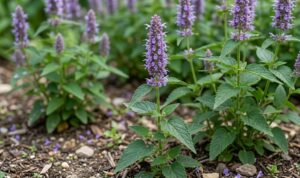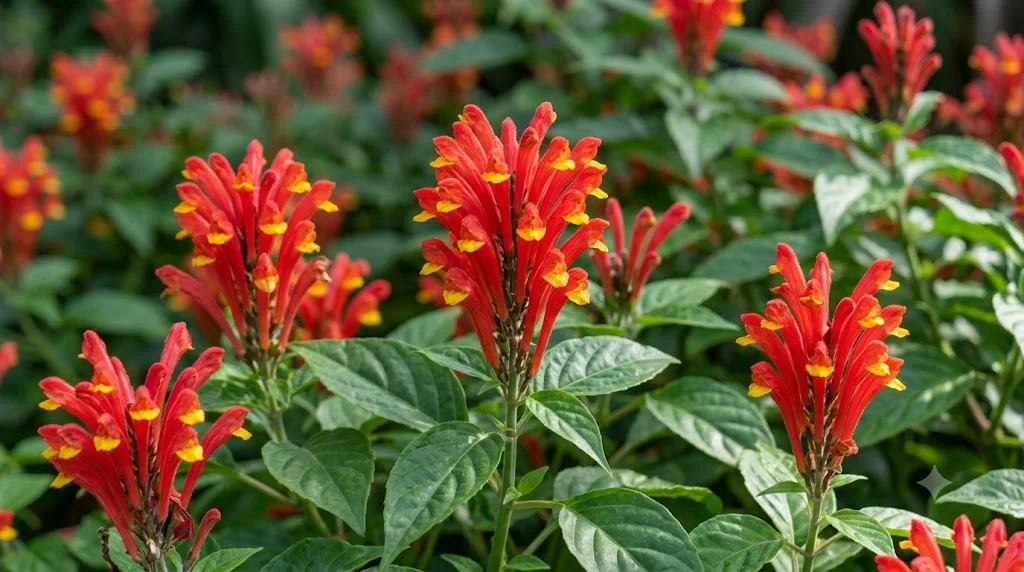

Costa Rican skullcap flowers most successfully in bright conditions, but its leaves can be damaged by abrupt exposure to intense midday sun. The ideal light is strong enough to support compact branching while remaining filtered during the hottest part of the day. Indoor and outdoor positions therefore need to be evaluated differently. Careful observation of stem length, leaf color, and flowering provides the best guide to whether the light level is suitable.
Finding the ideal light balance
Bright indirect light is usually the safest indoor choice. An east-facing window provides useful morning sun that is generally gentle enough for the foliage. A south- or west-facing window can also be suitable when the plant is placed slightly back or protected by a sheer curtain. Dark rooms rarely provide enough energy for abundant flowering.
Outdoors, a position with morning sun and afternoon shade is often ideal. Dappled light beneath an open tree canopy can also support strong growth. Deep shade produces fewer flowers and softer stems. Full-day sun may be tolerated only in mild climates with adequate moisture and gradual acclimatization.
Light intensity changes with the season. A window that is safe in winter may become too hot in summer. Likewise, a shaded indoor position that seems adequate during bright summer months may become unsuitable in autumn. The plant may need to be moved as daylight conditions change.
Artificial grow lights can supplement weak natural light. Position the lamp according to its output so the plant receives useful brightness without heat damage. A daily lighting period of roughly 12 to 14 hours can support active indoor growth. A dark period should still be provided because plants require a normal day-and-night rhythm.
More articles on this topic
Reading signs of insufficient or excessive light
Long gaps between leaves indicate that the stems are stretching toward light. The plant may lean strongly to one side and produce thin, weak shoots. Flowering becomes sparse because the available energy is directed toward searching growth. Moving the plant gradually to a brighter position can improve new development.
Leaves may remain unusually dark green in low light while the overall structure becomes loose. This deep color is not always a sign of excellent health. Weak stems and reduced flowering reveal the underlying shortage more clearly. Pinching alone cannot correct stretched growth if the light remains inadequate.
Excessive sun causes pale patches, dry brown areas, or sharply scorched margins. Damage often appears first on the side facing the window or afternoon sun. Recently moved plants are particularly vulnerable because their leaves have not adapted. Filter the light immediately, but avoid moving the plant into deep shade.
Heat stress can resemble sun damage even when light itself is not excessive. Leaves may wilt at midday and recover later as temperatures fall. Check the soil before watering because a moist plant may simply need protection from heat. Better shading and air movement are often more useful than additional irrigation.
More articles on this topic
Managing exposure throughout the year
Rotate indoor containers every week or two to encourage balanced growth. The stems naturally orient themselves toward the strongest light source. Regular rotation prevents a permanently one-sided canopy. Avoid turning the plant daily because constant reorientation can slow natural leaf adjustment.
When moving the plant outdoors, begin in full shade. Introduce gentle morning sun for short periods and increase exposure gradually. Leaves produced indoors have a thinner protective structure and scorch easily. A hardening period of at least one to two weeks is usually beneficial.
Autumn relocation indoors should also be gradual. Moving directly from strong outdoor light to a dim room can trigger yellowing and leaf fall. Place the plant in the brightest indoor position available from the beginning. Cleaning the windows can noticeably improve the amount of useful winter light.
During winter, move the plant closer to the window while protecting it from cold glass and drafts. Supplemental lighting can prevent excessive stretching when natural daylight is limited. Reduce fertilizer if strong light cannot be provided. Matching nutrition and watering to the available light keeps growth firm and healthy.