
Light is the primary energy source that drives the complex biochemical processes within red cabbage, influencing everything from head density to the intensity of its purple hue. As a full-sun crop, it requires a significant amount of direct solar radiation to reach its full potential and produce the high levels of antioxidants for which it is known. Understanding the nuances of light exposure, including how to manage seasonal changes and shading, is essential for any professional grower. This article details the specific light needs of red cabbage and how to optimize your garden layout for maximum performance.
To achieve the best results, red cabbage should ideally receive at least six to eight hours of direct sunlight every day. This high level of light exposure ensures that the plant has enough energy to build its massive leaf structure and a tight, heavy central head. In the absence of sufficient light, the plants will grow slowly and may produce loose, “leafy” heads that lack the characteristic crunch. You should select the brightest spot in your garden, away from the shadow of large trees or buildings, for your cabbage patch.
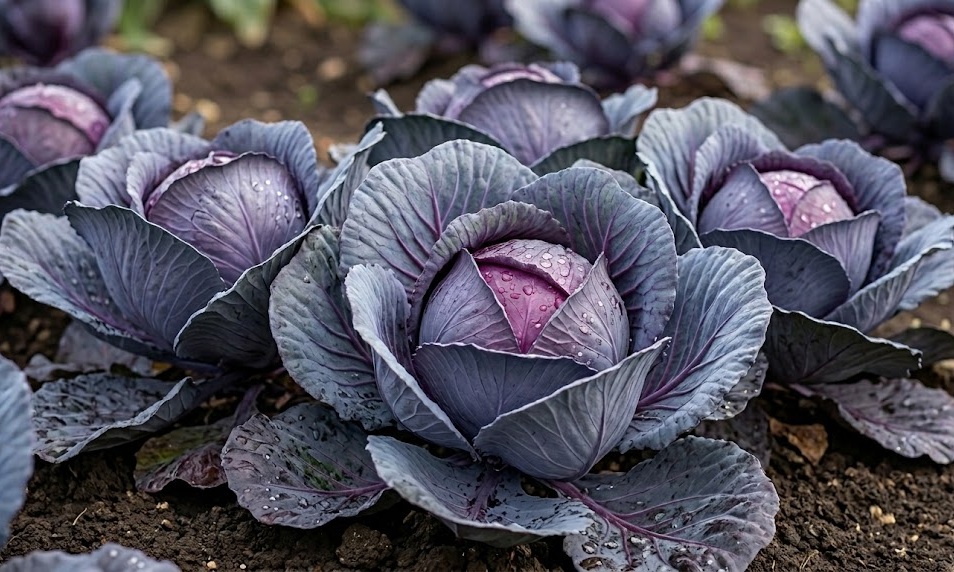
The intensity of the light is just as important as the duration, particularly during the middle of the growing season. You will find that red cabbage grown in full sun develops a thicker waxy coating on its leaves, which provides a natural defense against both pests and dehydration. This cuticle is also where many of the vibrant pigments are concentrated, giving the plant its deep, attractive color. A plant that is consistently “sun-starved” will appear pale and will be much more vulnerable to environmental stress.
When planning your garden layout, you must consider the path of the sun throughout the entire year, not just the day you are planting. A spot that is sunny in May might be in deep shade by September as the sun’s angle changes and the surrounding vegetation grows. Professional growers often use a sun-tracking app or a physical sun chart to ensure their long-season crops like red cabbage won’t be shaded out during their critical heading phase. This foresight prevents disappointment later in the season when the plants need light the most.
While red cabbage loves the sun, it also appreciates the cooler temperatures that often disappear during a mid-summer heatwave. You may notice the plant’s growth slowing down if the intense sun is combined with extreme heat, as the plant tries to conserve moisture. In such cases, the light is still beneficial, but the heat must be managed through proper irrigation and mulching. The goal is to provide maximum energy while keeping the plant’s internal temperature within its optimal working range.
More articles on this topic
Impact of shading on growth
While red cabbage is classified as a full-sun vegetable, it can tolerate a small amount of partial shade, though this will inevitably affect the final harvest. In areas with extremely hot summers, a little bit of afternoon shade can actually be beneficial by preventing the soil from overheating. However, if the shade is too deep or lasts too long, the plant will become “leggy,” with long stems and small, underdeveloped leaves. You will notice that shaded plants take much longer to reach maturity and often produce smaller, less dense heads.
Shading also has a direct impact on the color of the red cabbage, as the production of anthocyanins is partially triggered by light exposure. Plants grown in shaded conditions will often have more green and less purple in their leaves, reducing their nutritional and aesthetic value. If you must grow cabbage in a less-than-ideal spot, try to ensure it gets the strongest morning sun possible. This provides the most energy before the day reaches its peak heat and the plants begin to transpire heavily.
Competition for light from tall weeds or neighboring crops is another form of shading that you must manage actively. You should ensure that taller plants like corn or pole beans are not positioned to the south of your cabbage rows, where they will cast long shadows. Keeping the area around your cabbage clear of tall weeds ensures that every leaf can capture as much solar energy as possible. A professional gardener is always thinking about the “vertical real estate” of the garden and how light is distributed.
If you find that your garden is naturally quite shady, you might consider using reflective mulches to bounce more light up into the plant’s canopy. While this is a more advanced technique, it can help compensate for a slight deficit in direct sunlight by increasing the overall photon flux. However, this is no substitute for a well-chosen planting site with good southern exposure. Understanding the limitations of your space allows you to set realistic expectations for your red cabbage crop.
More articles on this topic
Photosynthesis and head formation
The process of photosynthesis is what allows the red cabbage to convert light, water, and carbon dioxide into the sugars that build the head. The large outer leaves, often called “wrapper leaves,” act as the primary engines for this energy production. You should protect these outer leaves at all costs, as any damage to them directly reduces the plant’s ability to feed the developing central head. A plant with a healthy, expansive set of wrapper leaves will almost always produce a larger and heavier harvest.
As the days get shorter in the autumn, the rate of photosynthesis naturally slows down, which is why late-season cabbage takes longer to finish. You will notice the plant’s growth rate tapering off as the intensity of the light fades and the temperatures drop. This is a natural transition, and the plant uses this time to consolidate its sugars and firm up its internal structure. The cool, low-light conditions of late autumn are actually perfect for the final “ripening” of the red cabbage head.
In the early stages of growth, light helps in the development of a strong root system, which is the foundation for all future growth. Seedlings that do not receive enough light will have weak, spindly stems that may not be able to support the heavy heads later on. This is why providing high-intensity light during the propagation phase is so critical for professional-grade results. You are essentially building the plant’s “battery” early in the season so it can power through the heading stage.
Observing how your plants respond to the light throughout the day can tell you a lot about their overall health and vigor. Healthy red cabbage leaves should be held firmly and have a slight sheen that reflects a portion of the incoming light. If the leaves appear dull or are drooping even when the soil is moist, it may be a sign of a physiological problem or light stress. By mastering the relationship between light and growth, you become a more intuitive and successful grower of this magnificent brassica.