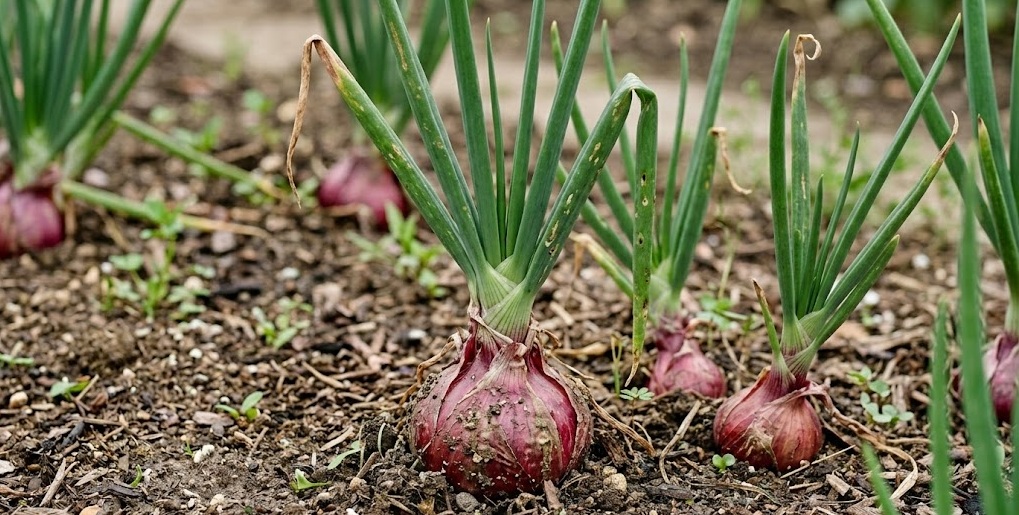

Pruning and cutting back are not typically the first things people think of when it comes to onion care, but they can be vital tools in specific situations. While we generally want to preserve as much foliage as possible, there are times when intervention is necessary for the health of the plant. Whether you are dealing with diseased leaves, pest infestations, or premature bolting, knowing how to prune correctly is a professional skill. A careful approach ensures that you protect the developing bulb while removing any problematic growth.
Most of the time, the onion plant knows exactly how to manage its own foliage as it matures and prepares for harvest. However, environmental stressors or poor management can sometimes lead to issues that require a human touch. You must always use clean, sterilized tools when cutting any part of the plant to prevent the introduction of bacteria or fungi. We should treat every cut as a potential entry point for disease and act with the appropriate level of caution.
The timing of any pruning activity is critical because the leaves are the source of all the energy used to build the bulb. Removing too much healthy foliage during the peak growth phase will inevitably result in a smaller harvest. You should only cut back the plants when there is a clear and compelling reason to do so for the overall benefit of the crop. A professional gardener balances the need for intervention with the natural growth requirements of the species.
In some traditional gardening practices, cutting back the tops was thought to encourage larger bulb growth, but modern science generally discourages this. The leaves are not “stealing” energy; they are actively producing it for the storage organ below the ground. However, there are very specific stages in the lifecycle where leaf manipulation can be useful for the curing process. Understanding the difference between helpful intervention and harmful interference is a mark of a professional.
Removing damaged or yellowing foliage
You should regularly inspect your onion patch for any leaves that show signs of severe damage from pests, wind, or mechanical injury. A broken leaf that is dragging on the soil can become a bridge for soil-borne pathogens to enter the plant’s circulatory system. Removing these damaged parts early can help to keep the rest of the plant healthy and focused on productive growth. Use a sharp pair of garden snips to make a clean cut a few centimeters above the healthy tissue.
More articles on this topic
Yellowing leaves are often a natural sign of aging, but they can also indicate a nutrient deficiency or a disease like downy mildew. If you see only one or two yellow leaves on an otherwise green plant, it is usually safe to leave them until they dry out completely. However, if the yellowing is accompanied by fuzzy growth or spots, you should prune those leaves immediately to prevent further spread. Professional sanitation involves the quick removal of any potential source of infection.
After a heavy storm or high winds, you might find that some of the onion tops have been bent or snapped over. If the break is clean and the leaf is still mostly green, it can often continue to function and provide energy to the bulb. However, if the leaf is completely severed or shows signs of wilting, it is better to remove it to keep the garden bed tidy. A clean and well-maintained patch is much easier to monitor for other potential problems.
Always dispose of the pruned material far away from your onion beds to avoid any chance of cross-contamination. Many pests and diseases can survive on dead plant tissue for long periods, waiting for a chance to re-infect your living crops. If the material is healthy, it can go into the compost, but diseased foliage should always be burned or discarded. Following these simple sanitation rules is a fundamental part of professional garden management.
Handling bolting and flower stalks
Bolting occurs when an onion plant prematurely shifts from bulb production to the creation of a flower stalk and seeds. This is usually triggered by a period of cold temperatures followed by a sudden warm spell, which tricks the plant into thinking it has completed its lifecycle. Once a flower stalk begins to emerge, the plant redirects all its energy away from the bulb and toward seed production. You must act quickly if you want to save the quality of the onion bulb.
More articles on this topic
As soon as you notice a thick, round stalk emerging from the center of the leaves, you should cut it off as low as possible. This stops the plant from wasting any more energy on the flower and may encourage it to put a bit more effort back into the bulb. However, you should be aware that a bolted onion will never grow as large or store as well as one that did not bolt. Professional gardeners often mark these plants and plan to use them first after the harvest.
The texture of a bolted onion’s center often becomes woody and tough as the plant prepares to support the heavy weight of a flower head. Even if you remove the stalk early, the core of the onion may still be less desirable for culinary use. This is why preventing bolting through proper variety selection and planting timing is much more effective than trying to fix it later. A professional approach focuses on prevention rather than just reaction to environmental stressors.
If you are interested in saving your own seeds, you might choose to let one or two of your best plants complete their flowering cycle. Onion flowers are beautiful and highly attractive to bees and other beneficial pollinators in the garden. Just remember that the bulb of that specific plant will not be suitable for long-term storage or high-quality eating. Managing a seed-saving program is a fascinating and advanced part of the professional gardening experience.
Final preparation before the harvest
As the onions reach full maturity, some gardeners choose to gently push over any tops that have not yet fallen on their own. This practice is intended to signal to the plant that it is time to stop growing and begin the drying and curing process. While not strictly necessary, it can help to ensure that the entire crop matures and is ready for harvest at the same time. You should be very gentle to avoid snapping the neck too abruptly, which could lead to rot.
There is no need to prune the green leaves while the onions are still in the ground, as they are still providing protection for the bulb. Some people believe that cutting the tops off a week before harvest helps the bulbs to “ripen,” but this is generally a misconception. In fact, cutting the green tops can open up the neck to infections and pests right when the bulb is most vulnerable. Patience is a professional virtue when it comes to the final stages of the onion season.
Once the onions have been pulled and are undergoing the initial drying phase, the leaves will naturally start to shrivel and turn brown. You should leave these dried tops attached during the first few days of curing to protect the bulb from the sun. Only after the neck has become completely dry and brittle should you consider trimming the foliage for long-term storage. A professional curing process is a slow and steady transition from the field to the pantry.
When you finally do trim the dried tops, leave about two to three centimeters of the neck intact to ensure the bulb remains sealed. Cutting too close to the top of the onion can expose the internal layers and lead to premature sprouting or decay. A well-trimmed onion should look clean and tidy, with no loose or damp material that could harbor mold. This final bit of pruning is the finishing touch on a long and successful growing season.