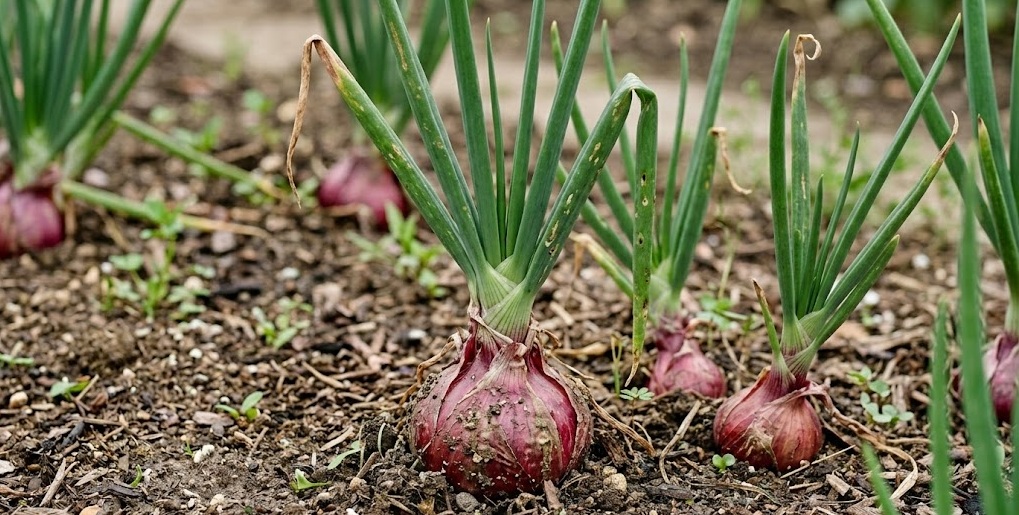

Overwintering onions is an excellent strategy for gardeners who want to achieve an earlier harvest in the following spring. This process involves planting specific varieties in the autumn so that they can establish a root system before the ground freezes. These hardy plants stay dormant through the coldest months and then resume growth as soon as the soil begins to warm up. A successful overwintering requires careful planning and a bit of extra protection against the winter elements.
The main advantage of this technique is that the onions have a significant head start over spring-planted crops. They are often ready to harvest several weeks earlier, which helps to fill the “hungry gap” in the early summer garden. Overwintered onions also tend to grow larger because they can take advantage of the moist conditions of early spring. We can maximize our garden’s productivity by using the soil during what would otherwise be a fallow period.
However, you must be prepared for the risks associated with extreme cold and fluctuating winter temperatures. Not all onion varieties are suitable for this method, as many will simply rot or bolt if exposed to prolonged freezing. You need to choose cultivars that are specifically bred for their winter hardiness and resistance to bolting. Professional knowledge of variety selection is the foundation of a successful autumn planting.
Preparing the soil for autumn planting is just as important as it is for the spring season. You should ensure the bed is well-drained so that the young plants do not sit in cold, stagnant water throughout the winter. Adding a bit of extra organic matter can provide a slow release of nutrients as the plants wake up in the spring. A little extra effort in the autumn sets the stage for a spectacular harvest in the coming year.
Selecting hardy winter varieties
When choosing onions for overwintering, you must look for varieties labeled as “Japanese” or “Autumn Sowing” types. These specialized cultivars have been developed to withstand freezing temperatures without sustaining significant cellular damage. They also have a lower tendency to bolt when the days start to get longer in the spring. Using a standard storage onion for autumn planting is usually a recipe for disappointment and failure.
More articles on this topic
Red and white varieties are both available in overwintering forms, so you can still have a diverse harvest. Some popular choices include varieties that have been proven to survive even in harsher northern climates. You should check with local gardening experts or agricultural extensions to see which types perform best in your specific region. Choosing the right genetics is the first and most important step in the overwintering process.
The timing of your autumn planting is a delicate balance that depends on your local frost dates. You want the onions to grow large enough to establish a strong root system, but not so large that they become vulnerable to cold. Ideally, the plants should be about the thickness of a pencil before the first hard freeze arrives. This level of growth provides the best chance for survival through the darkest months of the year.
If you plant too early, the onions might grow too much and then bolt as soon as spring arrives. If you plant too late, the roots will not have enough time to anchor the plant, making it susceptible to frost heaving. Monitoring the autumn weather and adjusting your planting date accordingly is a professional skill. Experience will eventually teach you the perfect window for your specific garden location.
Protective mulching for frost protection
Mulching is a vital part of protecting your overwintering onions from the physical effects of freezing and thawing. As the ground freezes and expands, it can actually push young onion sets right out of the soil. A thick layer of straw, shredded leaves, or wood chips acts as an insulating blanket that stabilizes the soil temperature. This prevents the “frost heaving” that can kill an otherwise healthy crop of young onions.
More articles on this topic
You should wait until the ground has started to cool down significantly before applying your winter mulch. Applying it too early can trap too much heat and moisture, which might encourage rot or late-season weed growth. A depth of about five to ten centimeters is usually sufficient for most moderate winter climates. We should always use clean, weed-free mulching materials to avoid introducing new problems to the bed.
In addition to thermal insulation, mulch also helps to preserve soil moisture during dry, windy winter spells. Even though the plants are dormant, their roots still need a small amount of hydration to stay alive. The mulch layer acts as a barrier that prevents the cold winter air from sucking the moisture out of the earth. Professional growers view mulching as a form of insurance against the unpredictability of winter weather.
When the spring arrives and the soil begins to warm, you will need to carefully pull back the mulch from the onion rows. This allows the sun to reach the soil and encourages the plants to resume their active growth phase. You can leave the mulch in the pathways between the rows to help with weed control during the spring. Managing your mulch throughout the seasons is a key part of successful garden maintenance.
Managing soil moisture during dormancy
While it might seem counterintuitive, managing moisture is a critical part of care even when the onions are dormant. You should never allow the soil to become completely dry for extended periods, especially during a “dry winter” with little snow. Roots can still suffer from desiccation if the ground becomes like concrete due to a lack of water. However, you must be extremely careful not to overwater, as cold, wet soil is a primary cause of winter rot.
If you live in an area with high winter rainfall, ensure that your onion beds are slightly raised to facilitate drainage. Water that pools around the base of a dormant onion can quickly lead to fungal infections that kill the plant. You want the soil to be damp like a wrung-out sponge, but never saturated or muddy. Professional drainage solutions are a worthwhile investment for any dedicated vegetable gardener.
Snow is actually a gardener’s best friend during the winter, as it provides a natural layer of insulation and moisture. A steady snow cover protects the plants from the drying effects of cold winds and extreme temperature drops. If you have a light snow, you can even pile a bit more onto your onion beds for extra protection. Nature often provides the best solutions if we know how to work with them.
In late winter, as the ground begins to thaw, you should check your onions for any signs of heaving or displacement. If a bulb has been pushed up, gently firm it back into the soil with your fingers to protect the roots. This transitional period is when the plants are most vulnerable to sudden changes in environmental conditions. Staying attentive during the thaw is a mark of a truly professional and dedicated gardener.
Preparing for spring regrowth
As the days grow longer and the first signs of spring appear, your overwintered onions will begin to push out new green leaves. This is the moment when you should provide them with a light application of nitrogen-rich fertilizer. This “wake-up call” gives the plants the energy they need to quickly build the leafy canopy required for bulbing. We should aim to support this natural growth spurt with timely and professional nutrient management.
You may need to do some early-season weeding as the soil warms up and invasive plants start to germinate. Because the onions have been in the ground all winter, weeds can sometimes get a head start if you are not careful. Hand-weeding is the best approach to avoid damaging the now-expanding root systems of your onions. Keeping the rows clean in early spring is essential for a high-quality and large harvest.
Monitoring for pests like the onion fly should also begin as soon as the weather starts to warm up. These insects are often active early in the season and can target your overwintered crop before the spring sets are even planted. You might want to re-apply row covers for a few weeks to provide a physical barrier during the fly’s peak activity. Vigilance in the spring is the final hurdle before a successful early harvest.
By early to mid-summer, your overwintered onions should be reaching their full size and preparing for harvest. You will notice that they are ready much sooner than any onions you might have planted in the spring months. This staggered harvest allows you to enjoy fresh onions over a much longer period of time. Mastering the art of overwintering is a significant milestone for any professional or serious home gardener.