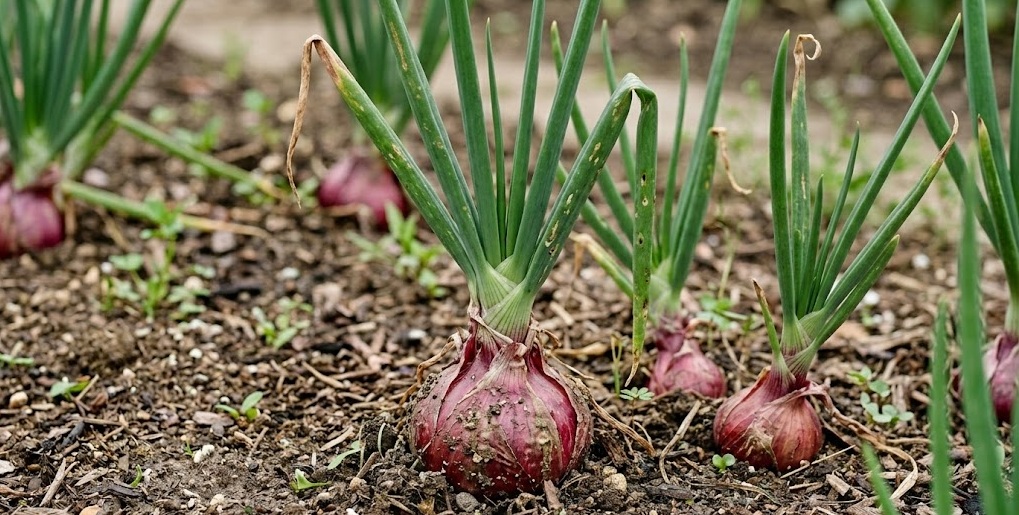

Protecting your onion crop from diseases and pests requires a watchful eye and a proactive management strategy. Because onions grow relatively slowly, they can be vulnerable to a variety of threats that can significantly reduce your final yield. Fungal infections are particularly common in humid or rainy climates where the leaves stay wet for extended periods. Understanding the early warning signs of trouble is the first step toward maintaining a healthy and productive garden.
Good sanitation is your most powerful weapon against the spread of diseases in the vegetable patch. You should always remove and destroy any infected plant material rather than adding it to your compost pile. This prevents pathogens from overwintering and attacking your next crop the following season. We must treat our garden beds with the same care and cleanliness that a professional farmer would.
Crop rotation is another essential practice for managing soil-borne pests and diseases like root rot or nematodes. You should avoid planting onions or their relatives, such as garlic and leeks, in the same spot more than once every three years. This break in the cycle starves the specific pests that rely on the Allium family to survive. A well-planned rotation is a fundamental principle of sustainable and professional agriculture.
Insects like thrips and onion flies can also cause significant damage if they are not controlled early in the season. These pests can weaken the plants and create entry points for secondary bacterial or fungal infections. Monitoring your plants daily allows you to catch an infestation before it becomes a major problem for the whole patch. A healthy garden is a result of constant vigilance and timely intervention.
Managing downy mildew and fungal threats
Downy mildew is one of the most common and destructive fungal diseases that can affect an onion crop. It typically appears as a purplish-gray fuzzy growth on the leaves during periods of cool, wet weather. If left untreated, the leaves will eventually turn yellow, collapse, and die, which halts the development of the bulb. Preventing this disease involves ensuring excellent air circulation around each plant to keep the foliage dry.
More articles on this topic
Proper spacing between your onion rows is a key factor in reducing the humidity within the plant canopy. You should also avoid overhead watering, as this keeps the leaves wet for much longer than necessary. Drip irrigation or soaker hoses are much better options for delivering water directly to the soil while keeping the leaves dry. These simple cultural practices can significantly lower the risk of a major fungal outbreak in your patch.
If downy mildew does appear, you may need to use an organic fungicide to prevent it from spreading to the rest of the crop. Copper-based sprays or neem oil can be effective if they are applied at the very first sign of infection. You must follow the instructions on the label carefully and ensure that you cover both sides of the leaves. Being proactive with your treatments is the only way to save a heavily infested crop.
Another common fungal issue is neck rot, which usually manifests during the storage period rather than in the field. This disease often enters through wounds or through the neck if the onions are not cured properly. Ensuring that your harvest is completely dry before putting it into storage is the best way to prevent this loss. A professional approach to curing is your best defense against post-harvest fungal decay.
Preventing bacterial soft rot infections
Bacterial soft rot is a devastating condition that can turn a firm, healthy onion bulb into a watery, foul-smelling mess. This infection often starts at the neck and works its way down into the layers of the bulb. It is usually caused by bacteria that thrive in excessively wet soil or high-humidity environments. Preventing this disease requires careful management of both irrigation and soil drainage throughout the growing season.
More articles on this topic
You should be very careful when weeding or harvesting to avoid bruising or cutting the onion bulbs. Any physical damage provides a perfect entry point for the bacteria that cause soft rot to take hold. Use a light touch when working around the plants and always use clean, sharp tools for any necessary maintenance. Protecting the physical integrity of the plant is a hallmark of an experienced and careful gardener.
Excessive nitrogen fertilization late in the season can also increase the risk of bacterial infections. High levels of nitrogen produce soft, succulent tissues that are much easier for bacteria to penetrate. You should stick to a balanced feeding schedule and stop any heavy fertilization once the bulbing process has begun. Balanced nutrition creates a stronger and more resilient plant that can defend itself.
If you notice an onion that feels soft or smells unusual, you should remove it from the garden immediately. Do not leave it to rot in the ground, as the bacteria can easily spread through the soil to neighboring plants. Checking your stored onions regularly is also vital for catching any soft rot before it ruins the entire batch. Sanitation and careful handling are the keys to avoiding this unpleasant problem.
Identifying and controlling onion thrips
Onion thrips are tiny, slender insects that feed on the sap of the leaves, causing them to look silvery or streaked. While they are very small, their collective feeding can significantly weaken the plant and reduce its ability to photosynthesize. You can often find them hiding in the tight spaces where the leaves meet the neck of the onion. Monitoring for thrips involves looking for these silver markings and checking the leaf axils regularly.
Heavy infestations of thrips can lead to premature leaf death and significantly smaller onion bulbs at harvest time. These pests are particularly active during hot, dry weather when the plants are already under some environmental stress. Providing adequate water during dry spells can help the plants withstand the damage caused by these sucking insects. Maintaining plant vigor is a natural way to reduce the impact of pest populations.
Reflective mulches can be an effective way to deter thrips from landing on your onion plants in the first place. The bright reflection of the sun disorients the insects and makes it harder for them to locate their host plants. You can also use yellow sticky traps to monitor the population levels and catch the flying adults. These non-chemical methods are preferred by many professional and organic gardeners.
If the thrips population becomes unmanageable, you might consider using an insecticidal soap or a botanical insecticide. These treatments should be applied in the early morning or late evening when the insects are most active. You need to ensure that the spray reaches deep into the leaf folds where the thrips like to hide. Persistence is required when dealing with these fast-breeding and elusive garden pests.
Strategies against the onion fly
The onion fly is a serious pest whose larvae, known as onion maggots, tunnel into the bulbs and roots. This damage often leads to the death of young seedlings or the rotting of larger, more established bulbs. The adult fly looks like a small housefly and lays its eggs in the soil near the base of the onion plants. You might first notice an infestation when your plants suddenly wilt and turn yellow for no apparent reason.
Using row covers is one of the most effective ways to prevent the onion fly from laying its eggs in your garden. The fine mesh creates a physical barrier that the adult flies cannot penetrate, protecting the plants throughout their vulnerable early stages. You must ensure that the covers are securely pinned to the ground so that no flies can crawl underneath. This simple preventive measure can save you a lot of trouble and heartache later.
Delayed planting can also help you avoid the first and most destructive generation of the onion fly. By waiting until the soil is warmer and the main fly activity has passed, you can significantly reduce the risk of infestation. Professional growers often use pheromone traps to monitor the fly population and time their planting accordingly. Understanding the lifecycle of your local pests is a vital part of professional garden management.
Companion planting with strong-smelling herbs like mint or rosemary may also help to confuse the onion fly. The competing scents make it much more difficult for the pest to home in on the smell of the Allium plants. While not a foolproof solution, it can be a useful part of a broader integrated pest management strategy. A diverse and fragrant garden is often a more resilient one when it comes to insect pests.
Implementing integrated pest management
Integrated Pest Management, or IPM, is a professional and holistic approach to dealing with garden challenges. Instead of relying on a single solution, it combines biological, cultural, and physical controls to minimize pest damage. The goal is not necessarily to eliminate every single bug, but to keep the population below a harmful level. This strategy is better for the environment and often more effective in the long run.
Beneficial insects like ladybugs, lacewings, and predatory mites are your allies in the fight against pests like thrips. You can encourage these natural predators by planting a variety of flowers and herbs that provide them with pollen and nectar. Avoiding broad-spectrum pesticides is essential for protecting these helpful garden residents. We should always try to work with nature rather than against it whenever possible.
Regular scouting and record-keeping are vital components of a successful IPM program for your onion patch. You should keep a garden journal to track when certain pests appear and which treatments were most effective. This historical data allows you to anticipate problems in future years and take preventive action before they start. A professional gardener is always learning and refining their methods based on observation.
Using physical barriers, such as collars around individual plants, can also prevent certain soil-borne pests from reaching the bulbs. This level of detail might be labor-intensive for a huge field, but it is very effective for a smaller home garden. Combining these physical tactics with smart crop rotation and healthy soil creates a robust defense system. IPM is the most sustainable and intelligent way to manage a productive vegetable garden.