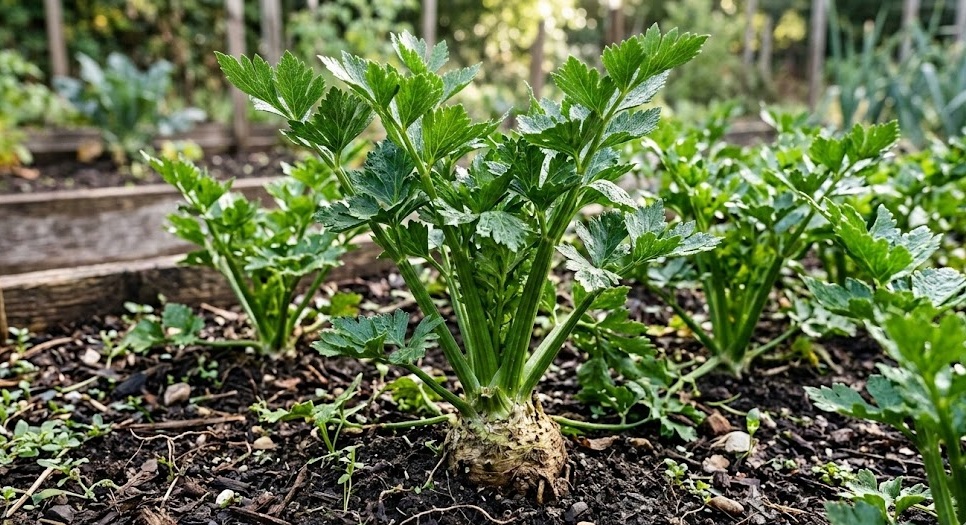

Understanding the light requirements of celery is essential for achieving the perfect balance between rapid growth and high-quality stalks. While many vegetables require intense, all-day sun, celery is a bit more nuanced in its relationship with light. In its natural wild state, it often grows in partially shaded marshlands or along the edges of forests. Providing the right amount of light at each stage of its life cycle is a professional secret for producing the best possible results.
In general, celery needs about six to eight hours of sunlight per day to maintain its vigor and produce thick stems. However, in very hot climates, the intense afternoon sun can actually be detrimental, causing the plant to wilt or the stalks to become bitter. Professional growers often find that providing some light shade during the hottest part of the day leads to a better harvest. This mimicry of its natural habitat helps the plant stay cool while still receiving enough energy for photosynthesis.
The quality of light is just as important as the quantity, especially when you are starting seeds indoors. Young seedlings are very sensitive to light levels and will quickly become “leggy” if they are reaching for a distant or weak light source. A leggy plant has a thin, weak stem that is much more likely to break or succumb to disease later in life. Using high-intensity grow lights positioned close to the plants is the professional way to ensure a strong, stocky start.
As the plant matures, the role of light shifts from driving rapid growth to influencing the texture and color of the stalks. Light triggers the production of chlorophyll, which gives the celery its vibrant green color but can also make the flavor more intense. Some people prefer a milder flavor and lighter color, which is achieved through a professional technique called blanching. This involves intentionally blocking light from the stalks during the final weeks of the growing season.
Sunlight and photosynthesis efficiency
Photosynthesis is the engine that drives the growth of your celery, and light is the fuel that powers it. The large, leafy canopy of the celery plant is designed to capture as much solar energy as possible to build complex sugars. These sugars are then transported down into the stalks, providing the energy needed for cell expansion and structural support. A plant that does not receive enough light will be stunted and have thin, spindly stalks that lack the characteristic crunch.
More articles on this topic
However, there is a limit to how much light a celery plant can efficiently use at one time. Once the light intensity reaches a certain point, the plant’s photosynthetic machinery can become overwhelmed, leading to oxidative stress. This is why a bit of dappled shade can actually be more productive than constant, blistering sunlight in some environments. Professional growers use light meters to monitor these levels and adjust their shading strategies accordingly to maximize efficiency.
The angle of the sun also changes throughout the season, which can affect how much light reaches your celery plants. In the early spring and late autumn, the lower angle of the sun may mean that nearby trees or buildings cast longer shadows than they do in mid-summer. You should choose a planting location that takes these seasonal shifts into account to ensure consistent light throughout the year. Planning your garden layout with a professional eye for light patterns is a key to long-term success.
In addition to driving growth, sunlight also plays a role in the plant’s natural defense mechanisms. Certain wavelengths of light can trigger the production of protective compounds that help the celery resist pests and diseases. A well-lit plant is generally a healthier and more resilient plant overall. By managing light levels correctly, you are not just growing food; you are supporting the entire physiological well-being of the crop.
Managing light for flavor and texture
Blanching is a professional horticultural practice that uses light management to change the culinary properties of the celery. By depriving the stalks of light, you stop the production of chlorophyll and reduce the concentration of certain bitter compounds. This results in stalks that are white or pale yellow, with a much more delicate and sweet flavor. You can achieve this by wrapping the stalks in paper, using specialized tubes, or even mounding soil around them.
More articles on this topic
The timing of light deprivation is critical for achieving the best results without compromising the plant’s health. You should typically start the blanching process about two to three weeks before you intend to harvest the crop. This gives enough time for the existing chlorophyll to break down while the plant is still actively growing. If you start too early, you may stunt the plant’s overall growth by reducing its ability to photosynthesize.
Some modern varieties of celery are “self-blanching,” meaning they naturally produce lighter-colored stalks even in full sun. While these are easier to manage, many professional chefs and gardeners still prefer the texture of traditionally blanched celery. Understanding how light affects the chemistry of the plant allows you to choose the variety and method that best suits your personal tastes. It is a perfect example of how light management can be used as a professional tool in the garden.
Even if you don’t use a formal blanching technique, the overall light levels in your garden will still influence the final flavor. Celery grown in very bright, hot conditions will almost always have a stronger, more “peppery” taste than celery grown in cooler, more shaded areas. You can use this knowledge to your advantage by placing your celery in different parts of the garden to achieve different flavor profiles. Experimenting with light is one of the joys of professional horticulture.
Supplemental lighting for year-round growth
For those who want to grow celery during the short days of winter or in indoor systems, supplemental lighting is a necessity. Modern LED grow lights allow you to provide the exact spectrum of light that celery needs for optimal growth. These lights are very efficient and can be programmed to mimic the natural rising and setting of the sun. Providing a consistent “day length” of fourteen to sixteen hours can keep celery growing vigorously even in the middle of winter.
The height of the lights above the plants should be adjusted regularly as the celery grows taller. If the lights are too close, they can cause heat damage or “light burn” on the delicate upper leaves. If they are too far away, the plants will waste energy stretching toward the light, leading to weak and unstable growth. Professional indoor growers often use light sensors to maintain the perfect distance at all times.
In greenhouse settings, supplemental lighting is often used to extend the natural day length and boost productivity during cloudy periods. This ensures that the plants never experience a “slow-down” in their development due to a lack of energy. Combining natural sunlight with artificial light is a highly effective professional strategy for maximizing the yield of a celery crop. It allows for a much more predictable and consistent harvest schedule throughout the year.
Finally, remember that light is just one part of a complex system that includes water, nutrients, and temperature. All of these factors must be in balance for the celery to truly thrive. A plant with perfect light but not enough water will quickly suffer, just as a well-watered plant will struggle in the dark. Taking a professional, holistic view of your celery’s needs will lead to the most successful and rewarding gardening experience possible.