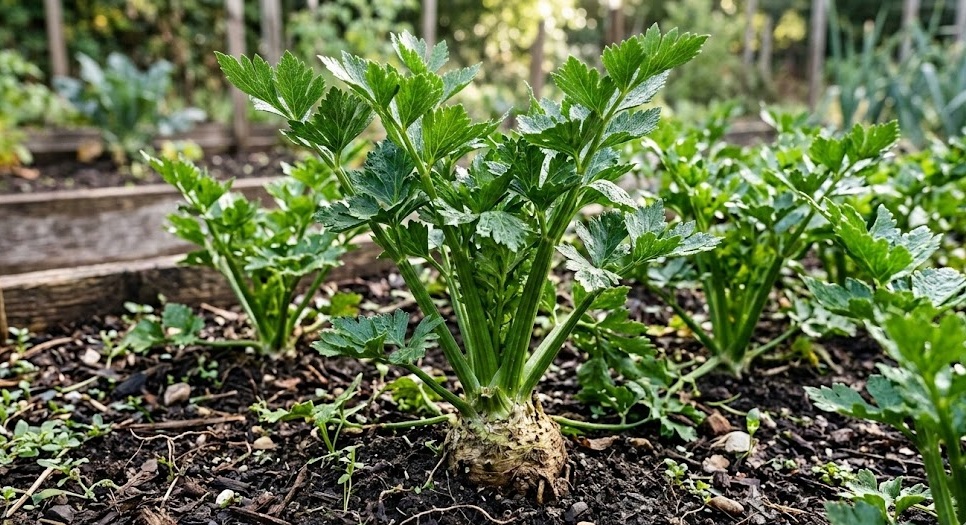

Protecting your celery from diseases and pests is a constant battle that requires a proactive and informed strategy. Because celery grows in moist, nutrient-rich environments, it is often a prime target for various pathogens and hungry insects. You must be able to identify the early warning signs of an infestation or infection to take immediate action. A professional approach involves a combination of preventative measures, biological controls, and careful monitoring to keep your crop healthy and productive.
Fungal diseases are perhaps the most common threat to celery, as they thrive in the same humid conditions the plant loves. Issues like leaf spot or powdery mildew can quickly spread across an entire field if they are not managed properly. You should ensure that there is adequate spacing between your plants to promote air circulation and keep the foliage as dry as possible. Cleanliness in the garden, including the removal of old plant debris, is the first line of defense against these invisible enemies.
Insect pests come in many forms, from the tiny aphids that sap the plant’s energy to the larger slugs that can devour stalks overnight. Each pest requires a specific management strategy to minimize its impact on the final harvest. Many professional growers use integrated pest management, which focuses on natural predators and mechanical barriers before turning to chemical solutions. This balanced approach protects the delicate ecosystem of your garden while ensuring the health of your celery.
Viruses can also be a significant concern, often being spread by insects like leafhoppers as they move from plant to plant. Once a plant is infected with a virus, there is often no cure, and it must be removed to prevent further spread. This highlights the importance of controlling the insect populations that act as vectors for these diseases. By maintaining a clean and healthy environment, you can reduce the overall pressure from these complex biological threats.
Identifying common fungal infections
Cercospora leaf spot is a frequent problem that appears as small, tan spots with darker borders on the older leaves. If left untreated, these spots will grow and eventually cause the entire leaf to turn yellow and die. You should remove any infected leaves as soon as you see them to slow the spread of the fungal spores. Applying a copper-based fungicide can be an effective professional way to protect the remaining healthy foliage.
More articles on this topic
Septoria late blight is another fungal disease that can be particularly devastating during cool, wet seasons. It looks like small black specks, which are actually the fruiting bodies of the fungus, scattered across the leaves and stalks. This disease can significantly reduce the marketability and flavor of your celery, making it look unappealing and taste bitter. Ensuring that you only use certified disease-free seeds is a critical preventative step for any serious grower.
Damping-off is a threat that primarily affects young seedlings in the nursery or immediately after transplanting. It causes the stem to rot at the soil line, leading the plant to collapse and die almost overnight. To prevent this, you must use sterile seed-starting mixes and avoid overwatering the young plants. Maintaining good air movement and avoiding high humidity in the nursery area will also help keep the fungus at bay.
Fusarium wilt is a soil-borne disease that attacks the vascular system of the celery, causing it to yellow and wilt even when water is plentiful. Because the fungus lives in the soil for many years, crop rotation is the most effective way to manage it. You should avoid planting celery or related crops in the same spot more than once every four years. Using resistant varieties is also a professional strategy for areas known to have high levels of fusarium in the soil.
Managing insect infestations
Aphids are small, soft-bodied insects that cluster on the undersides of leaves and suck the sap from the plant. This causes the leaves to curl and become distorted, and the sticky honeydew they secrete can lead to the growth of sooty mold. You can often knock aphids off the plants with a strong stream of water from a garden hose. For larger infestations, using insecticidal soap or neem oil is a safe and effective way to control their numbers.
More articles on this topic
The celery leafminer is a pest that burrows between the layers of the leaf, creating visible white or tan trails. While a few miners won’t kill the plant, a heavy infestation can reduce the plant’s ability to photosynthesize and weaken it over time. You can use floating row covers to prevent the adult flies from laying their eggs on the leaves in the first place. This physical barrier is a simple and effective professional tool for protecting young, vulnerable crops.
Slugs and snails are notorious for their ability to hide in the damp base of the celery and eat large holes in the stalks. They are most active at night or during rainy weather, making them difficult to spot during the day. You can manage them by removing their hiding places, such as large rocks or boards, from the immediate vicinity of the garden. Using organic slug pellets or beer traps can also help reduce their population without harming beneficial insects.
Tarnished plant bugs are another threat, as they feed on the young heart of the celery, causing the stalks to develop brown, sunken areas. These bugs are very mobile and can be difficult to control once they have established themselves in the garden. Keeping the surrounding area free of weeds where the bugs might overwinter is an important part of a long-term management plan. Professional monitoring with yellow sticky traps can help you detect their presence early in the season.
Preventative measures and hygiene
The best way to manage diseases and pests is to prevent them from entering your garden in the first place. This starts with practicing excellent hygiene, such as cleaning your tools after working with different plants. Pathogens can easily be carried from one bed to another on the blades of your pruners or the soles of your boots. Taking a few minutes to sanitize your equipment can save you hours of work later in the season.
Watering at the base of the plant rather than from overhead is one of the simplest ways to reduce disease pressure. Keeping the foliage dry prevents fungal spores from germinating and spreading across the leaves. If you must use overhead irrigation, do it early in the morning so the sun can dry the plants quickly. This small change in your routine can have a massive impact on the overall health of your celery crop.
Proper spacing between plants is not just about growth; it is also about creating an environment that is less hospitable to pests and diseases. When plants are too close together, air becomes stagnant and humidity levels rise, creating a perfect nursery for fungi. By following professional spacing guidelines, you allow the wind to move through the rows and dry out the soil surface. This natural ventilation is a free and effective tool for any gardener.
Regularly removing old leaves and any debris from the soil surface removes the hiding spots for many common pests. Many insects and fungi overwinter in the leaf litter, waiting for the warm weather to return so they can attack your new crop. By keeping your garden beds tidy, you break their life cycle and reduce the number of potential problems you will face. A clean garden is a healthy garden, and this is especially true for sensitive crops like celery.
Organic and biological controls
Using biological controls is a professional and environmentally friendly way to manage pest populations. You can encourage beneficial insects like ladybugs, lacewings, and predatory wasps to take up residence in your garden. These natural allies will hunt and eat many of the pests that target your celery, such as aphids and small caterpillars. Planting a variety of flowers and herbs nearby provides the habitat and alternative food sources these “good bugs” need.
Neem oil is a versatile organic tool that can act as both a fungicide and an insecticide. It works by disrupting the life cycle of many pests and preventing them from feeding on the plants. Because it is derived from a natural source, it is much safer for the environment than many synthetic chemicals. Always follow the instructions on the label carefully and apply it during the cooler parts of the day to avoid leaf damage.
Bacillus thuringiensis, commonly known as Bt, is a natural bacteria that targets certain types of caterpillars without harming other insects. If you notice cabbage loopers or other larvae eating your celery leaves, Bt can be a very effective solution. It is a highly specific biological control that is widely used in both organic and professional agriculture. This precision allows you to protect your crop while maintaining the overall health of your garden’s ecosystem.
Using companion planting can also help to naturally deter certain pests from finding your celery. Some plants, like leeks or onions, have strong scents that can confuse insects and prevent them from landing on your crop. While companion planting is not a complete solution on its own, it can be a valuable part of a broader management strategy. Experimenting with different plant combinations is a great way to learn more about the natural dynamics of your garden.
Monitoring and rapid response
Developing a “professional eye” for spotting problems before they become crises is one of the most important skills you can have. You should walk through your celery patch at least a few times a week, looking closely at both the tops and bottoms of the leaves. Pay attention to any changes in color, texture, or the overall vigor of the plants. Catching a small patch of leaf spot early can mean the difference between losing a few leaves or an entire harvest.
Keeping a garden journal can help you track the appearance of certain pests and diseases over several years. You may find that certain problems always seem to arise at the same time or under specific weather conditions. This information allows you to prepare in advance and take preventative action before the issues occur. Knowledge is your most powerful tool in the fight against the many threats that face your celery crop.
When you do find a problem, it is important to act quickly but calmly to address the situation. Identify the specific pest or disease before you decide on a course of action to ensure your treatment will be effective. Sometimes, simply removing a few infected plants or hand-picking a few large insects is all that is required. A targeted and thoughtful response is always better than a broad and hasty one.
Finally, remember that even professional growers face challenges with pests and diseases from time to time. The goal is not always to have a perfect, bug-free garden, but to manage the environment so that your plants can still thrive. Healthy, well-fed, and properly watered celery is much more resilient and can often recover from minor damage. Focusing on overall plant health is the ultimate long-term strategy for success.