
Successful overwintering of chicory is a strategic process that allows for a continuous harvest and the protection of valuable plant stock through the coldest months. This plant is naturally hardy, yet the extremes of winter can still pose significant challenges to its survival and quality. Professional horticulturalists utilize a variety of techniques to manage the transition into dormancy and ensure that the plants emerge healthy in the spring. By following established standards for winter care, you can maximize the productivity and resilience of your chicory crop.
Preparation for winter begins long before the first frost, as the plants must be in a state of peak health to withstand the upcoming stress. This involves ensuring that the chicory has received adequate nutrition and water throughout the autumn to build up sufficient energy reserves in the roots. A professional approach also includes the removal of any diseased or weakened plants that are unlikely to survive the winter. This selective management ensures that the resources and protection provided are focused on the strongest individuals.
The choice of overwintering method depends on the specific goals of the grower and the severity of the local climate. Some varieties are left in the ground with minimal protection, while others are lifted and stored in a controlled environment for later forcing. Professional standards dictate that each variety be handled according to its specific physiological needs and the intended final use of the harvest. Whether in the field or the root cellar, the goal is to maintain a stable and safe environment for the dormant plants.
Monitoring during the winter months is just as important as it is during the growing season, though the frequency and focus of the tasks shift. Professional growers check for signs of moisture buildup, pest activity, or physical damage from freezing and thawing cycles. Adjustments to protective covers or storage conditions may be necessary as the weather fluctuates throughout the season. By remaining attentive during the winter, you ensure that the chicory remains a viable and high-quality resource for the following year.
Field protection and soil stabilization
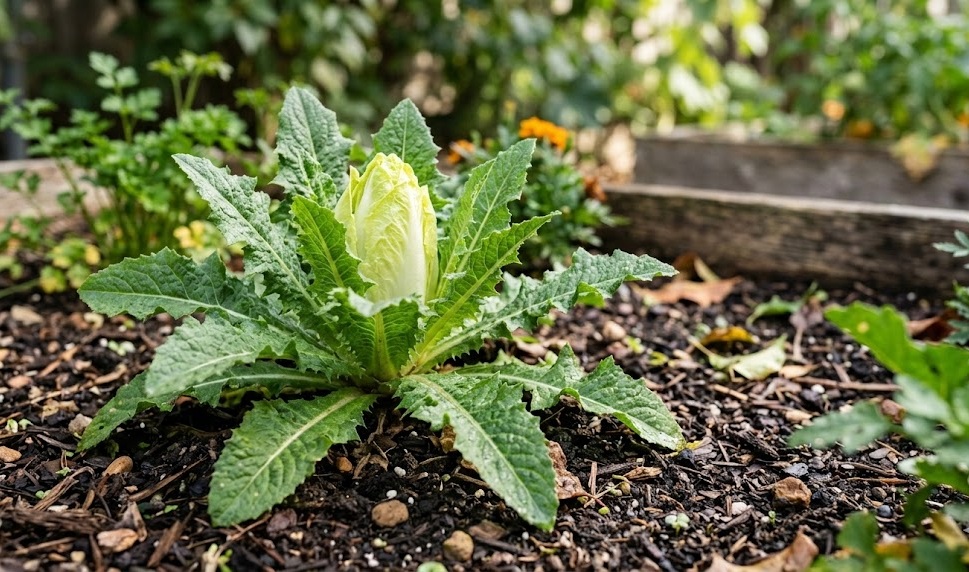
In regions with moderate winters, chicory can often be successfully overwintered in the ground with the help of protective covers. Heavy mulching with straw, shredded leaves, or wood chips provides a buffer against the extreme temperature swings that can damage the root crown. Professional standards involve applying a layer of mulch several inches thick after the ground has begun to cool but before it freezes solid. This timing helps to trap the residual warmth of the soil and stabilize the environment around the roots.
More articles on this topic
Row covers and low tunnels offer an additional layer of protection by creating a small microclimate that is several degrees warmer than the surrounding air. These structures also shield the plants from the drying effects of winter winds and the weight of heavy snow. Professional installations use durable materials and ensure that the covers are securely anchored to withstand winter storms. Monitoring the temperature under these covers is necessary to prevent overheating on unseasonably sunny days.
Soil drainage becomes even more critical during the winter when excess moisture can lead to root rot and ice damage. A professional grower ensures that the planting beds are well-drained and that there are no low spots where water can pool and freeze. If the soil is heavy or prone to waterlogging, raised beds are an excellent strategy for successful overwintering. By keeping the root zone out of standing water, you significantly increase the chances of the plants surviving until spring.
The physical stability of the soil is also a concern during the winter months, especially in areas with frequent freeze-thaw cycles. These cycles can cause “frost heaving,” where the expansion and contraction of the soil gradually push the plant roots out of the ground. Applying a thick layer of mulch and ensuring the soil is well-settled before winter can help to minimize this effect. Professional horticulturalists view soil management as a year-round task that is essential for the long-term health of the garden.
Lifting and cold storage of roots
For many types of chicory, especially those grown for forcing, the standard professional practice is to lift the roots in late autumn and store them in a cool, dark place. This process involves carefully digging up the mature plants and removing the foliage, leaving only a short segment of the stem attached to the root. The roots are then cleaned of excess soil and inspected for any signs of damage or disease. Only the highest-quality roots are selected for storage to ensure a successful forcing phase later in the winter.
More articles on this topic
Storage conditions must be precisely controlled to prevent the roots from drying out or beginning to grow prematurely. The ideal environment is typically a root cellar or a specialized refrigerator with high humidity and temperatures just above freezing. Professional growers often store the roots in containers filled with damp sand, peat moss, or sawdust to maintain the necessary moisture levels. This traditional method mimics the natural soil environment while providing protection from the elements.
Regular inspections of the stored roots are essential for identifying any problems before they spread to the entire collection. Signs of shriveling indicate that the humidity is too low, while soft spots or mold are signs of excess moisture or poor air circulation. A professional approach involves removing any compromised roots immediately and adjusting the storage conditions as needed. This proactive management ensures that the roots remain in peak condition until they are needed for forcing or replanting.
The duration of the storage period depends on the variety and the intended timing of the next growth phase. Some roots may only need a few weeks of cold treatment to trigger the forcing process, while others can be kept for several months. Expert gardeners understand the specific requirements of the varieties they are growing and plan their storage schedule accordingly. By mastering the art of cold storage, you can extend the usefulness of your chicory harvest well into the spring months.
Forcing and indoor winter production
Forcing is a specialized technique that involves bringing dormant chicory roots into a warm, dark environment to stimulate the growth of tender, pale shoots. This professional process is how Belgian endive and similar products are created, providing a fresh harvest during the middle of winter. The roots are placed in containers of soil or water and kept in complete darkness to prevent the development of green chlorophyll and bitter flavors. Maintaining a consistent temperature of around 15-18 degrees Celsius is the standard for high-quality forcing.
Moisture management during forcing requires a delicate touch to keep the roots hydrated without causing rot in the new growth. Professional systems often use bottom-watering techniques to ensure that the water reaches the roots directly. The humidity in the forcing chamber must also be kept high to prevent the tender leaves from becoming tough or dry. Regular monitoring of the progress of the shoots allows for adjustments to the environment and the timing of the harvest.
The harvest of forced chicory occurs when the new growth has reached the desired size and shape, typically after three to five weeks. A professional harvest involves carefully cutting the head of leaves away from the root, ensuring a clean and attractive final product. Once harvested, the forced chicory should be kept in the dark and cooled immediately to preserve its color and texture. This meticulous attention to detail at every step of the forcing process is what distinguishes an expert grower.
Forcing can be done in small batches throughout the winter to provide a continuous supply of fresh greens for culinary use. This strategy allows the gardener to make the most of their stored roots and ensures that nothing goes to waste. Professional horticulturalists often experiment with different forcing media and temperatures to fine-tune the flavor and appearance of their crop. The ability to produce high-quality chicory in the depths of winter is a rewarding skill that maximizes the value of the garden.
Spring transition and recovery
As the days begin to lengthen and the soil warms, the focus shifts to helping the overwintered chicory transition back into a state of active growth. For plants that remained in the ground, this involves gradually removing the protective covers and thinning out the mulch. A professional approach includes monitoring the new growth for signs of frost damage or pest activity as the garden wakes up. This transition period is a vulnerable time for the plants and requires careful attention to ensure a smooth recovery.
Roots that were stored over the winter can be replanted in the garden as soon as the soil is workable and the danger of extreme frost has passed. This early spring planting allows the chicory to establish itself before the heat of summer arrives. Professional gardeners often use this time to assess the survival rate of their various varieties and make plans for the upcoming growing season. The lessons learned during the winter provide valuable insights for improving the overwintering strategy in future years.
Nutrient management is a key part of the spring recovery process, as the plants need a boost of energy to restart their growth. A light application of a balanced fertilizer can provide the necessary resources for the emerging leaves and roots. Professional standards prioritize the use of slow-release or organic options that provide a steady supply of nutrients throughout the spring. By supporting the plants during this critical time, you set the stage for a productive and successful year.
The successful completion of the overwintering cycle is a significant milestone for any professional horticulturalist. It demonstrates a deep understanding of the plant’s biology and a commitment to year-round garden management. Whether you are growing chicory for its roots, its leaves, or the challenge of winter production, the rewards of a successful overwintering are well worth the effort. A resilient and productive garden is the ultimate goal of every professional agricultural strategy.