
The growth and development of beetroot are profoundly influenced by the quality and duration of light they receive throughout their life cycle. As a plant that primarily stores energy in its root, the efficiency of photosynthesis is a critical factor in determining the final yield and sugar content. You should aim to provide your crop with a location that maximizes exposure to the sun while considering the specific needs of the foliage. Understanding the interplay between light and temperature will help you choose the best site for your garden or agricultural operation.
Full sun is generally defined as at least six to eight hours of direct sunlight per day during the peak of the growing season. Beetroot performs best when it has access to this level of energy, as it allows for rapid leaf development and efficient carbon fixation. In regions with shorter days or more cloud cover, the growth rate may be slower, and the roots may take longer to reach a harvestable size. However, the plant is remarkably adaptable and can still produce a respectable crop even in less-than-ideal lighting conditions.
The intensity of the light also matters, as the ultraviolet spectrum can influence the production of protective pigments like betalains within the root. You will notice that beets grown in bright, clear conditions often have a more intense color than those grown in shaded or heavily overcast environments. This pigmentation is not only aesthetically pleasing but is also linked to the nutritional value and antioxidant properties of the vegetable. Providing ample light is therefore a key strategy for producing high-quality, professional-grade produce.
While beetroot loves the sun, it is important to remember that it is a cool-season crop that can be stressed by the combination of high light and high heat. In very hot climates, you might find that the plants benefit from a small amount of shade during the most intense part of the afternoon. This helps lower the leaf temperature and reduces the rate of transpiration, preventing the plant from wilting or going into a state of heat-induced dormancy. Finding the “sweet spot” for light exposure is part of the art and science of successful beetroot cultivation.
Photosynthetic efficiency and root growth
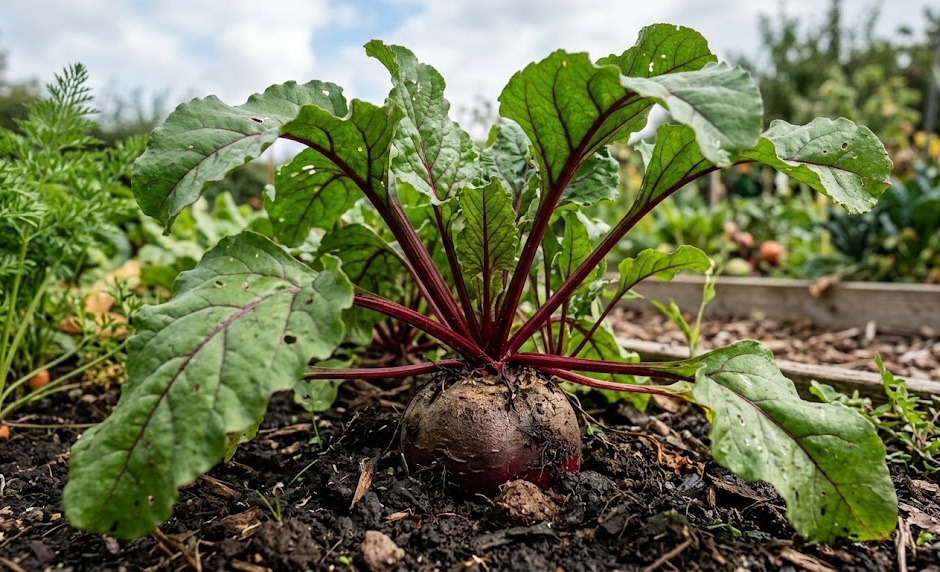
The leaves of the beetroot act as the solar panels of the plant, capturing light energy and converting it into the sugars that are stored in the root. You should focus on maintaining a healthy, vibrant canopy of leaves to ensure that this process is working at its maximum capacity. Any damage to the foliage from pests, diseases, or environmental stress will directly impact the plant’s ability to “feed” the expanding root. A strong relationship exists between the total leaf area and the final weight of the harvested vegetable.
More articles on this topic
Spacing your plants correctly is essential for ensuring that every leaf has access to the light it needs without being shaded by its neighbors. You should avoid overcrowding, which leads to competition for the available light and can cause the plants to become “leggy” or stretched. Leggy plants have thin, weak stems and are more susceptible to falling over or being damaged by the wind. Proper spacing allows for a more uniform distribution of light throughout the entire crop, leading to consistent growth.
The angle of the sun changes throughout the season, which can affect how much light reaches different parts of your garden. You should consider the orientation of your rows, with a north-south alignment often providing the most even exposure for all the plants. This prevents the taller rows from casting long shadows over the shorter ones during the early morning or late afternoon. Planning your garden layout with light patterns in mind is a professional approach that maximizes the productivity of your available space.
In some cases, you can use reflective mulches to bounce extra light back up onto the undersides of the leaves. This technique can be particularly useful in areas with low light levels or during the shorter days of early spring and late autumn. By increasing the total amount of light reaching the plant, you can potentially speed up the growth rate and improve the overall quality of the harvest. Experimenting with these types of advanced light management strategies can provide a competitive edge in professional gardening.
Managing shade and seasonal changes
Beetroot is one of the few root vegetables that can tolerate a moderate amount of shade without a total crop failure. You can successfully grow them in spots that receive only four to five hours of direct sun, although you should expect the roots to grow more slowly. In these shaded areas, the plants often produce larger, thinner leaves as they try to maximize their light-capturing surface area. This adaptability makes beetroot a versatile choice for gardens with complex light patterns or nearby trees.
More articles on this topic
If you are growing beetroot in a very sunny and hot environment, you might use “trap crops” or taller neighbors to provide a bit of natural shading. For example, planting a row of peas or beans on the southern side of the beetroot can offer some relief from the midday sun. This creates a cooler microclimate that can prevent the soil from drying out too quickly and reduce the stress on the plants. Understanding these interactions allows you to create a more resilient and productive garden ecosystem.
Seasonal changes in day length are the primary signal that tells the beetroot plant when to shift from growing a root to producing flowers. As the days lengthen in the late spring, the risk of “bolting” increases, especially if the plants have been exposed to a period of cold weather. You should aim to time your plantings so that the roots reach maturity before the longest days of the summer arrive. This professional timing ensures that the energy of the plant is directed into the edible root rather than into seed production.
Monitoring the light levels in your garden using a simple light meter or by observing the shadow patterns throughout the day can provide valuable data. You should keep records of how different varieties perform in various parts of your garden over several seasons. This information will help you refine your planting plan and ensure that each crop is placed in the optimal light environment for its specific needs. Success with beetroot is often a result of these small, data-driven adjustments to the growing environment.
Light and seedling establishment
The light requirements during the seedling stage are particularly critical for establishing a strong and healthy root system. You should ensure that the soil surface receives enough light to warm up, which encourages faster germination and early growth. Once the first leaves emerge, they need immediate access to bright light to begin the process of photosynthesis and build energy reserves. If the light is too low, the seedlings will become weak and spindly, making them vulnerable to environmental stress.
If you are starting seeds indoors, you must provide a very strong light source, such as specialized LED grow lights, to prevent stretching. You should keep the lights close to the plants, usually just a few centimeters above the foliage, and move them up as the plants grow. Providing sixteen to eighteen hours of light per day can help produce sturdy, compact transplants that will adapt quickly to the garden. Indoor seedlings that are grown on a windowsill often suffer from “directional” light, causing them to lean and become unbalanced.
Hardening off your transplants involves gradually increasing their exposure to the intense outdoor light over a period of seven to ten days. You should start by placing them in a sheltered, shady spot and slowly moving them into more direct sun each day. This process allows the leaf tissues to thicken and develop protective layers that prevent the sun from burning the delicate foliage. Rushing this transition is a common mistake that can lead to significant transplant shock or even the death of the young plants.
Ultimately, the light requirement of beetroot is a factor that you can manage through site selection, planting timing, and cultural practices. You should always prioritize light when planning your garden, as it is the fundamental energy source for all plant growth. By providing the right balance of sun and protection, you create the conditions for a successful and professional-quality beetroot harvest. Your commitment to understanding these environmental needs will be rewarded with beautiful, healthy, and delicious vegetables.