
Protecting your beetroot crop from biological threats requires a vigilant eye and a deep understanding of the local ecosystem. You should be aware that many issues start long before they become visible to the naked eye, often hiding in the soil or on the undersides of leaves. A professional approach involves integrated pest management, which combines cultural, physical, and biological controls to minimize damage. Keeping your plants healthy and stress-free is the first and most effective line of defense against any pathogen or insect invader.
Fungal diseases are among the most common problems you will encounter when growing beetroot in a temperate climate. You might notice small, circular spots with purple borders appearing on the leaves, which is a classic sign of Cercospora leaf spot. This fungus thrives in warm, humid conditions and can quickly spread if the foliage remains wet for extended periods. Removing infected leaves and ensuring proper air circulation are the best ways to keep this particular disease from ruining your harvest.
Bacterial issues can also arise, often manifesting as soft rots or unusual growths on the roots or the crown of the plant. You should be careful when working around the plants to avoid creating wounds that could serve as entry points for bacteria. Soil-borne pathogens can persist for several years, which is why crop rotation is such a critical practice for professional growers. By moving your beetroot to a different part of the garden each year, you break the life cycle of many specialized diseases.
Pests come in many forms, from microscopic nematodes to large leaf-eating insects that can strip a plant in a matter of days. You should regularly inspect your crop for signs of chewing damage, stippling, or the presence of sticky honeydew. Identifying the specific pest is the only way to choose the correct intervention and avoid using unnecessary chemicals. A healthy garden with a diverse population of beneficial insects will often manage minor pest outbreaks without any help from you.
Common fungal and bacterial diseases
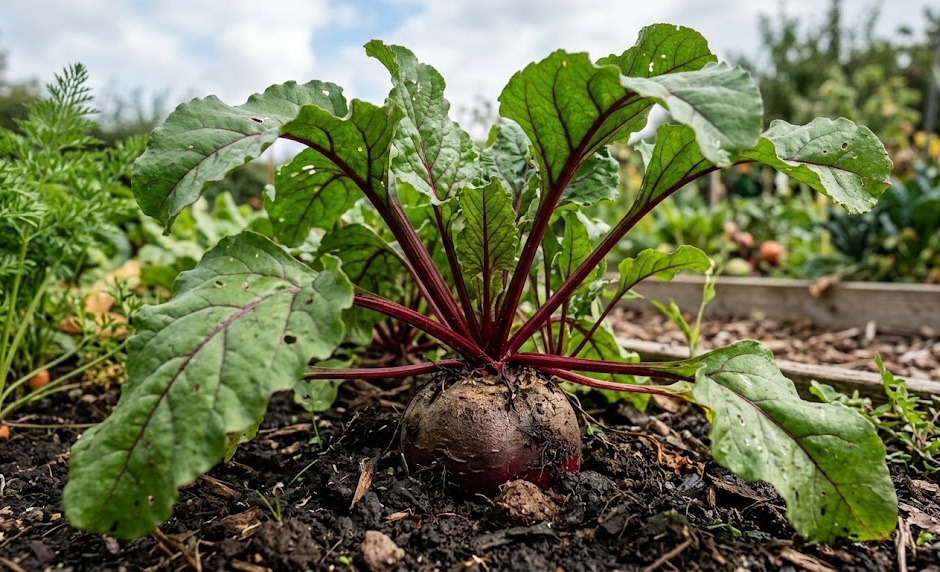
Cercospora leaf spot is perhaps the most recognizable fungal disease that affects the foliage of the beetroot plant. You will see small tan or gray spots with a distinct reddish-purple halo developing on the older leaves first. If left unchecked, these spots can merge, causing the entire leaf to wither and die, which reduces the plant’s ability to produce sugar. Increasing the space between plants and avoiding overhead watering can significantly reduce the incidence of this frustrating disease.
More articles on this topic
Downy mildew is another fungal threat that appears as a fuzzy, grayish-white growth on the undersides of the leaves. You might also notice that the top of the leaf turns yellow or becomes distorted as the infection progresses. This disease is particularly fond of cool, damp weather and can spread rapidly through wind-borne spores. Choosing resistant varieties and maintaining good garden hygiene by removing crop debris are effective long-term strategies for management.
Scab is a bacterial condition that affects the surface of the root, creating rough, corky patches that look like warts. While it does not usually affect the eating quality of the internal flesh, it makes the roots look unappealing and can reduce their storage life. You should avoid over-liming your soil, as scab bacteria thrive in alkaline conditions with a high pH. Maintaining consistent soil moisture can also help suppress the development of scab on the expanding beetroot.
Root rot can be caused by various soil-borne organisms like Pythium or Rhizoctonia, especially in poorly drained soils. You might see the plant suddenly wilt and die, or you may find that the root has become a mushy, foul-smelling mess when you try to harvest it. Improving soil structure with organic matter and ensuring that water can drain away easily are the best preventive measures. Once a plant is infected with root rot, it cannot be saved, so you should remove and destroy it immediately to protect the rest of the crop.
Leaf-eating pests and their management
Aphids are small, soft-bodied insects that cluster on the undersides of leaves and suck the sap from the plant. You might notice the leaves curling or turning yellow, and the presence of ants, which “farm” the aphids for their honeydew. A strong blast of water from a garden hose can often knock them off the plant and disrupt their feeding. Encouraging natural predators like ladybugs and lacewings is a highly effective and eco-friendly way to keep aphid populations in check.
More articles on this topic
Leaf miners are the larvae of small flies that tunnel through the internal tissues of the beetroot leaves. You will see characteristic winding, silvery trails or blotches on the foliage where the larvae have been feeding. While a small amount of damage is mostly cosmetic, a heavy infestation can significantly reduce the plant’s photosynthetic capacity. You can use row covers to prevent the adult flies from laying eggs on your plants, or simply pinch the affected areas to kill the larvae inside.
Beetle species, such as the flea beetle, can create numerous small “shotholes” in the leaves of young beetroot seedlings. You should be particularly careful during the first few weeks of growth, as these small insects can quickly overwhelm a tiny plant. Using yellow sticky traps can help you monitor their numbers and trap some of the adults before they can do significant damage. Once the plants are larger and more established, they can usually tolerate a fair amount of beetle feeding without a loss in yield.
Slugs and snails are notorious for feeding on the succulent leaves and even the tops of the roots during the night. You will often see their characteristic slime trails across the soil or the foliage in the early morning hours. You can manage these pests by removing their hiding places, such as large clods of earth or nearby tall grass. Using beer traps or organic slug pellets can also help reduce their numbers if they become a serious threat to your garden beds.
Root-dwelling pests and soil health
Wireworms are the larvae of click beetles and can be a major problem if you are planting beetroot in a spot that was recently grass. These tough, orange-brown worms tunnel into the developing roots, creating entry points for rot and making the beet unmarketable. You should cultivate the soil thoroughly before planting to expose the larvae to birds and other natural predators. Avoiding planting root crops directly after a grass leys is a standard professional practice to avoid heavy wireworm pressure.
Nematodes are microscopic roundworms that live in the soil and can attack the root system of your beetroot. Some species cause the formation of small galls or “knots” on the roots, which interferes with the uptake of water and nutrients. You might see stunted growth or unexplained wilting even when the soil is moist if nematodes are present. Increasing the organic matter in your soil and following a strict crop rotation plan are the best ways to manage these invisible but destructive pests.
Cutworms are the larvae of certain moths that hide in the soil during the day and come out at night to feed. They are famous for cutting through the stems of young seedlings at the soil level, effectively “mowing” down your crop. You can protect individual plants by placing a cardboard collar around the stem, pushing it a few centimeters into the earth. Keeping the garden free of weeds and debris reduces the number of places where the adult moths like to lay their eggs.
Symphylans, also known as garden centipedes, are tiny, white, many-legged creatures that feed on the fine root hairs of the beetroot. A heavy infestation can lead to poor plant vigor and a root system that looks stunted or “brushed” in appearance. These pests prefer soils that are high in organic matter and remain consistently moist for long periods. Professional management involves rotating crops and sometimes allowing the soil to dry out significantly between plantings to reduce their population.
Integrated pest management strategies
Integrated Pest Management (IPM) is a holistic approach that focuses on prevention and minimal intervention in the garden. You should start by selecting varieties that are naturally resistant to the diseases and pests common in your specific region. Keeping your garden clean and free of fallen leaves and old crop residues removes the overwintering sites for many pathogens. This proactive stance is much more effective and sustainable than reacting to a full-blown infestation after it has already taken hold.
Biological control involves using the natural enemies of pests to keep their populations at a manageable level. You can attract beneficial insects by planting a variety of flowering herbs and native plants around your vegetable beds. Some gardeners even purchase and release specific predators like predatory mites or parasitic wasps to target certain pests. This approach maintains the natural balance of your garden and avoids the negative impacts associated with broad-spectrum chemical treatments.
Physical barriers like fine mesh netting or row covers are incredibly effective at keeping insects away from your beetroot. You should ensure that the edges of the covers are buried in the soil to prevent pests from crawling underneath. These barriers are particularly useful for preventing leaf miners and aphids from colonizing your young plants. While they require an initial investment, they can be reused for many seasons and provide a very high level of protection for your crops.
Finally, regular scouting is the most important part of any successful pest and disease management program. You should walk through your garden several times a week, looking closely at both the tops and bottoms of the leaves. Catching a problem in its earliest stages allows for much simpler and more effective interventions, such as hand-picking caterpillars or removing a single infected leaf. Your attention to detail is the key to producing a healthy, bountiful, and professional-quality harvest of beetroot every year.