
Maintaining a thriving beetroot crop requires a deep understanding of the plant’s physiological needs throughout the growing season. You must ensure that the soil remains consistently moist and well-aerated to allow the taproots to expand without resistance. Careful observation of the foliage can often reveal early signs of nutrient stress or environmental fluctuations before they become critical. Success in the garden depends on your ability to balance these various environmental factors while providing steady manual care.
Weeding is one of the most critical aspects of care because beetroot seedlings are relatively weak competitors during their early stages. You should regularly remove any unwanted vegetation that emerges between the rows to prevent competition for light and nutrients. Shallow cultivation is preferred to avoid damaging the delicate root systems that grow near the soil surface. Keeping the area clean also reduces the hiding places for common garden pests that might target the young leaves.
Soil structure plays a pivotal role in the development of uniform and healthy round roots in your garden. You should avoid heavy clay soils that can compact easily and restrict the growth of the expanding vegetable. Adding well-rotted organic matter before the season begins will improve the drainage and provide a better texture for the roots. Constant monitoring of the soil crust is necessary to ensure that the seedlings can emerge without struggling against a hardened surface.
Thinning the seedlings is an essential step that many gardeners overlook, yet it determines the final size of the harvest. You should thin the plants when they reach about five centimeters in height to provide enough space for the roots to swell. Usually, leaving a gap of about ten centimeters between individual plants is sufficient for most standard varieties. The removed seedlings are perfectly edible and can be used as nutritious microgreens in various culinary dishes.
Soil management and mulch
Mulching provides a layer of protection that helps regulate the soil temperature and preserve vital moisture for the beetroot. You can use organic materials like straw or shredded leaves to create a barrier against the drying effects of the sun. This practice also suppresses the germination of weed seeds, which saves you significant time and effort in the long run. As the mulch breaks down, it contributes valuable organic matter back into the ecosystem of your garden beds.
More articles on this topic
The acidity of your soil should be maintained within a specific range to ensure the optimal uptake of minerals. You should aim for a slightly acidic to neutral pH level, ideally between six and seven, for the best results. If the soil is too acidic, you might notice stunted growth or poor root development despite adequate watering. Regular soil testing allows you to make precise adjustments with lime or sulfur to keep the environment perfectly balanced.
Aeration is another factor that influences how well the beetroot can access oxygen and water within the earth. You should gently loosen the soil around the plants after heavy rainfall to prevent the surface from sealing shut. Be careful not to dig too deeply, as the primary goal is simply to break the surface tension of the ground. This simple task facilitates better gas exchange and encourages a robust microbial population in the root zone.
Temperature fluctuations can sometimes cause the plants to bolt or produce woody roots that are unpleasant to eat. You should monitor the local weather patterns and provide temporary shade or extra mulch during extreme heatwaves. Beetroot prefers cool to moderate temperatures, and keeping the root zone cool is the best way to maintain quality. Consistency is the hallmark of a professional gardener who wants to achieve the highest quality produce possible.
Thinning and spacing strategies
When you begin the thinning process, it is important to choose the strongest seedlings to remain in the ground. You should use a pair of garden scissors to snip the weaker plants at the soil level instead of pulling them. This technique prevents the accidental disturbance of the root systems of the surrounding plants that you intend to keep. Spacing the plants correctly ensures that each one has access to its own dedicated reservoir of water and minerals.
More articles on this topic
Crowding is a common mistake that leads to small, misshapen roots and increased susceptibility to fungal diseases. You should resist the urge to leave too many plants in a small area even if they look healthy. Air circulation is vital for keeping the foliage dry and preventing the spread of leaf spot pathogens. Proper spacing allows sunlight to reach the base of the plant, which contributes to the overall vigor of the crop.
The timing of your thinning should coincide with a period of low stress, such as a cloudy day or late evening. You should water the bed thoroughly after you have finished thinning to help the remaining plants settle back into the soil. This immediate hydration reduces transplant shock and helps the roots re-establish their connection with the earth. Regular observation over the following days will confirm that the remaining seedlings have successfully adapted to their new space.
Successive thinning can be practiced if you want to harvest baby beets while leaving others to reach full maturity. You can start with a narrow spacing and gradually increase the distance as you harvest the smaller roots for the kitchen. This method maximizes the productivity of your garden space and provides a continuous supply of fresh vegetables. It requires a bit more planning but offers a very rewarding way to manage your home or commercial garden.
Weed control techniques
Managing weeds requires a proactive approach that starts even before the beetroot seeds are placed in the ground. You should prepare the bed by removing all perennial weed roots and allowing any dormant seeds to germinate before a final light tilling. This “stale seedbed” technique significantly reduces the pressure on your crop during the first few weeks of growth. Once the beetroot is established, a thick canopy of leaves will naturally help shade out some of the competition.
Hand weeding is often the safest method when the beetroot plants are still very young and fragile. You should focus on pulling weeds when the soil is slightly damp, as this makes it easier to remove the entire root system. Consistency is key, so spending a few minutes each day is much more effective than one long session every few weeks. This prevents the weeds from reaching maturity and dropping a new generation of seeds into your garden.
Tools like a stirrup hoe can be used between the rows to slice through the roots of small weeds just below the surface. You should operate these tools with precision to avoid hitting the beetroot plants or their shallow feeder roots. Using a hoe is much faster than hand weeding and is highly effective when the weather is dry. It creates a “dust mulch” on the surface that can also help slow down the evaporation of moisture from deeper layers.
Perennial weeds pose a greater challenge because they can regrow from even the smallest piece of root left in the soil. You should be especially diligent in removing plants like couch grass or bindweed that can quickly overtake a beetroot bed. These aggressive competitors can steal large amounts of nutrients and water, directly impacting the final weight of your harvest. Persistent monitoring and removal are the only ways to keep these tough invaders under control throughout the season.
Seasonal monitoring and protection
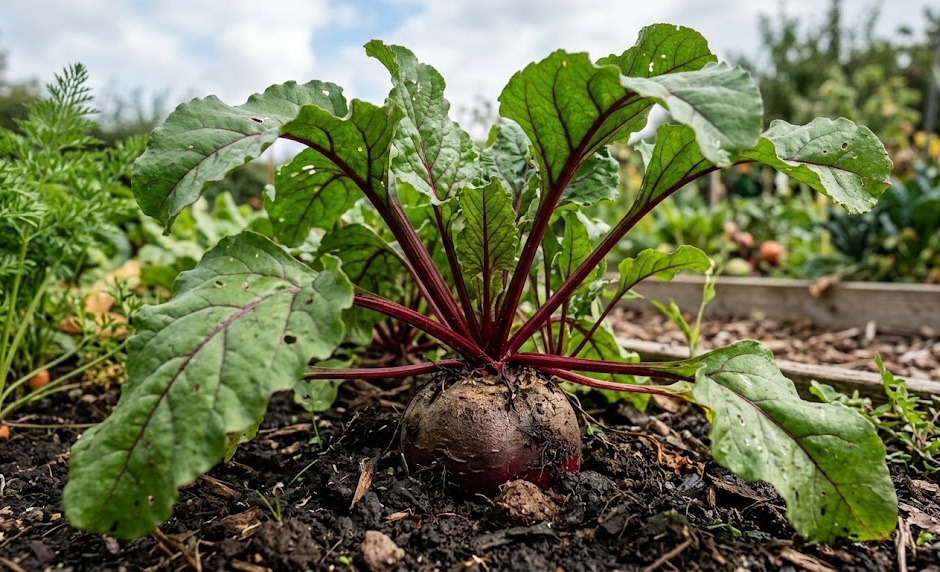
As the season progresses, you should pay close attention to the development of the crown of the beetroot. You might notice the tops of the roots starting to push out of the soil as they grow larger. It is a good idea to pull a little bit of soil or mulch over these exposed shoulders to protect them from the sun. This prevents the top of the root from turning green and becoming tough or bitter in flavor.
Birds and small mammals can sometimes view your young beetroot leaves as a tasty snack in the early spring. You should consider using bird netting or row covers if you notice significant damage to the foliage of your crop. These physical barriers are very effective and do not require the use of any chemical deterrents in your garden. Once the plants are larger, they are usually robust enough to withstand a small amount of browsing without major issues.
Monitoring the color of the leaves can provide you with early warnings about the health of the entire plant. Deep green or purple leaves generally indicate a healthy plant with access to all the necessary micronutrients. Yellowing or spotting should be investigated immediately to determine if the cause is environmental or a specific pest. Early intervention is always the most successful strategy for maintaining a high-quality agricultural or garden yield.
Weather alerts for unexpected frosts or extreme heat should prompt you to take protective measures for your beetroot. While the plants are somewhat frost-tolerant, a sudden hard freeze can damage the quality of the roots and the leaves. Using horticultural fleece or simple plastic tunnels can provide enough of a temperature buffer to see the plants through. Being prepared for these fluctuations is part of the professional approach to modern gardening and small-scale farming.
Companion planting benefits
Choosing the right neighbors for your beetroot can improve growth rates and help deter some common garden pests. You should consider planting onions or garlic nearby, as their strong scent can confuse insects that are searching for host plants. Lettuce and bush beans are also excellent companions that do not compete heavily for the same soil resources. This diversity creates a more resilient ecosystem that relies less on external inputs for pest management.
On the other hand, you should avoid planting beetroot near pole beans or field mustard as they can inhibit each other’s growth. Understanding these allelopathic relationships helps you design a garden layout that maximizes the health of every individual plant. Scientific observations have shown that certain plant combinations can even improve the flavor of the final harvest. Professional growers often use these traditional techniques alongside modern methods to achieve the best possible results.
Flowering herbs like dill or coriander can be planted at the edges of the beetroot rows to attract beneficial insects. These insects, such as ladybugs and hoverflies, act as natural predators for aphids and other soft-bodied pests. Providing a habitat for these “garden helpers” is a core principle of integrated pest management and organic farming. It reduces the need for interventions and promotes a natural balance within your growing environment.
The physical structure of companion plants can also provide beneficial microclimates for the beetroot throughout the summer. Taller plants can provide light shade during the hottest part of the day, reducing the stress on the beetroot foliage. This strategic placement ensures that every square inch of your garden is working toward a productive and healthy outcome. Experimenting with different combinations will help you find the most effective system for your specific local climate and soil.
Harvest preparation and timing
Knowing exactly when to harvest your beetroot is a skill that develops with experience and careful observation of the plant. You should start checking the size of the roots once the leaves have reached a substantial size and height. Typically, beetroot is ready when the root is between the size of a golf ball and a tennis ball. Roots that are left in the ground too long can become fibrous and lose the sweet flavor that is highly prized.
Before you begin the harvest, you should ensure that the soil is relatively dry to make the lifting process easier. You can use a garden fork to gently loosen the earth around the roots before lifting them by the base of the leaves. Avoid using a spade, as it is much easier to accidentally slice through the root and ruin its storage potential. Gentle handling is necessary to prevent bruising, which can lead to premature rotting after the harvest is complete.
Once the roots are out of the ground, you should twist off the leaves rather than cutting them with a knife. This traditional method helps prevent the root from “bleeding” its purple juice and losing moisture during storage. You should leave about two or three centimeters of the leaf stalks attached to the top of the root for the best results. The harvested roots should then be cleaned of excess soil by hand rather than being washed with water.
The final step in care is preparing the soil for the next crop after the beetroot has been successfully removed. You should clear away any remaining plant debris to prevent the carryover of diseases into the following growing season. Adding a fresh layer of compost will help replenish the nutrients that the beetroot has extracted from the earth. Following a proper crop rotation plan will ensure that your garden remains productive and healthy for many years to come.