
Maintaining a vibrant and structurally interesting landscape during the coldest months involves utilizing exceptionally hardy evergreen perennials. The stinking hellebore is celebrated for its magnificent winter performance, standing strong against frost and snow when other plants are completely dormant. However, ensuring it emerges from a severe winter looking pristine requires specific preparatory steps and protective measures. This professional guide outlines the essential techniques for successfully overwintering your specimens and safeguarding their early blossoms.
Understanding the natural winter resilience of the plant
Stinking hellebore is celebrated by horticulturists for its extraordinary ability to endure severe winter conditions with grace and beauty. Unlike the vast majority of garden perennials that die back to the ground when freezing weather arrives, this species remains proudly evergreen. Its peak ornamental season actually occurs during the coldest months of the year, making it a vital structural asset. Understanding how the plant interacts with winter elements allows you to maximize its spectacular cold-season performance.
The plant possesses specialized internal mechanisms that protect its cellular structure from being destroyed by extreme sub-zero temperatures. When a hard frost hits, the stems may temporarily lose pressure and bow toward the frozen ground to prevent snapping. This dramatic drooping is a completely natural defense mechanism and should not cause panic for inexperienced gardeners. As soon as daytime temperatures rise above freezing, the plant pumps fluids back into its tissues and stands upright once more.
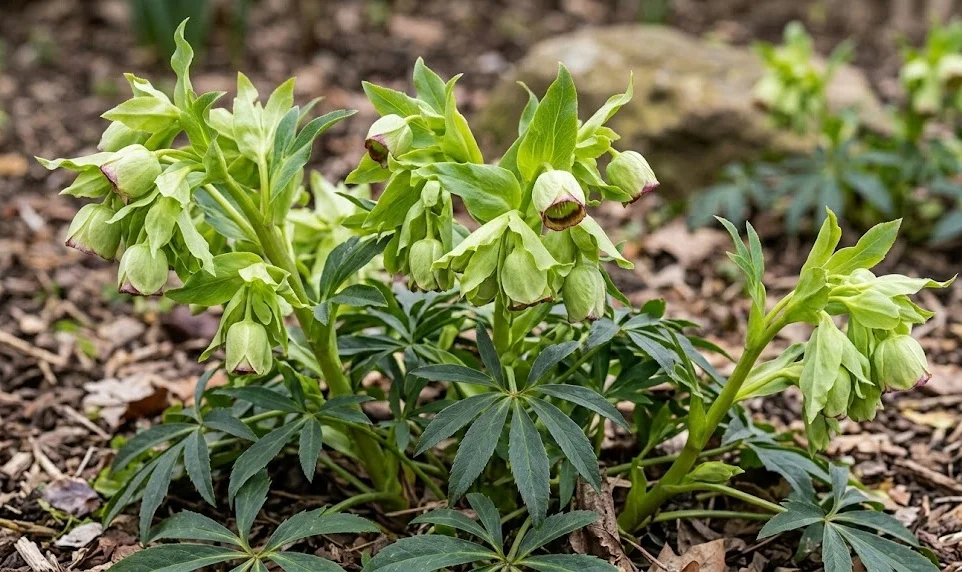
The thick, leathery texture of the deeply divided leaves provides an additional layer of physical defense against icy winter weather. This rugged exterior minimizes water loss through transpiration when the surrounding soil is frozen and roots cannot absorb moisture. The dark green coloration also helps the plant absorb maximum heat from the weak winter sunshine, supporting its physiological processes. Recognizing these natural adaptations helps you appreciate why this resilient species requires very little winter coddling.
Despite its inherent toughness, specific winter weather combinations can still pose challenges to its overall aesthetic appearance. For instance, a prolonged period of freezing winds accompanied by brilliant sunshine can dry out the evergreen foliage faster than the plant can adapt. This can result in a condition known as winter scorch, where the leaf margins turn brown, crispy, and visually unappealing. Learning to mitigate these specific environmental pressures ensures your plants look flawless throughout the entire winter season.
More articles on this topic
Preparing the root system before the first hard freeze
Preparing your plants for winter begins well before the first arctic air mass sweeps through your garden landscape. The primary goal during late autumn is ensuring the root zone is healthy, well-hydrated, and insulated against extreme temperature fluctuations. Providing a deep, thorough watering in late autumn is exceptionally beneficial if the season has been unusually dry. Ensuring the roots are fully hydrated before the ground freezes solid protects the evergreen foliage from winter dehydration.
Applying a fresh, generous layer of organic mulch around the base of the plant is another essential preparatory step. Excellent choices for winter mulching include clean straw, shredded bark, or chopped deciduous leaves collected from your lawn. This insulating blanket stabilizes soil temperatures, preventing the destructive cycle of rapid freezing and thawing that can push plants out of the ground. Keep the mulch a few inches away from the main stems to maintain air circulation and prevent crown rot.
This frost-heaving phenomenon occurs when moisture in the soil expands and contracts, lifting the root ball out of the earth. Young, newly planted specimens with shallow root systems are particularly vulnerable to this physical disruption during their first winter. If you discover a plant has been partially dislodged by frost, gently press it back into place on a mild day. Add a bit of fresh topsoil around the exposed roots and increase the mulch depth to protect it from future movement.
Avoid applying any quick-release fertilizers during the late summer or autumn preparation phases under any circumstances. Stimulating soft, tender new growth late in the season is highly counterproductive, as these fresh tissues will instantly perish during the first hard freeze. Allow the plant to follow its natural inclination to harden off its existing foliage and focus energy on winter bud development. This disciplined approach ensures a sturdy, winter-ready specimen capable of facing the harshest weather with complete confidence.
More articles on this topic
Protecting evergreen foliage from harsh winter winds
While the root system is well-protected beneath its mulch blanket, the exposed evergreen foliage requires thoughtful consideration during severe weather events. Intense winter winds can act like a giant hair dryer, stripping moisture from the leathery leaves at an alarming rate. If the ground is frozen solid, the roots cannot replace this lost moisture, leading to severe desiccation and browning. Selecting a naturally sheltered planting site from the beginning is the best long-term defense against this issue.
If your plants are positioned in an exposed location, creating a temporary physical windbreak can offer excellent protection. You can easily construct a simple shelter by driving a few wooden stakes into the ground around the plant and wrapping them with burlap. This structure diffuses the force of freezing winds without completely blocking vital air circulation or trapping excessive ambient humidity. Remove the burlap barrier in early spring as soon as the threat of severe, drying winds has passed.
Heavy snow accumulations present another physical challenge, as the weight can potentially bend or break the sturdy flowering stems. While a light dusting of snow acts as an excellent natural insulator, a thick, heavy blanket should be managed carefully. Gently brush heavy, wet snow off the foliage using your hands or a soft broom to relieve the physical strain. Avoid shaking the frozen stems violently, as cold temperatures make the plant tissues brittle and highly prone to snapping.
If a stem does break under the weight of snow or ice, clean it up promptly using sharp, sterilized shears. Cut the damaged stem back to a healthy junction or down to the base of the plant to prevent tearing. This clean cut prevents open wounds from becoming entry points for opportunistic fungal pathogens when the weather warms up. Monitoring your plants after major winter storms ensures you can address physical damage quickly, maintaining a neat and healthy garden.
Late winter care and transitioning into early spring
As the calendar moves into late winter, the stinking hellebore becomes the absolute star of the garden landscape. This is the magical time when the distinctive pale green flower buds fully expand into large, nodding chartreuse clusters. These bright blossoms provide a spectacular contrast against the dark foliage and offer an early food source for brave pollinators. Managing the plant during this transitional phase involves appreciating the display while preparing for upcoming spring maintenance tasks.
Inspect the overall condition of the plant regularly as the winter begins to lose its grip on the landscape. You may notice that some of the oldest leaves from the previous year have become tattered, spotted, or discolored. Removing these unsightly lower leaves enhances the visual impact of the fresh blossoms and improves airflow through the crown. Be careful not to damage the emerging new stems that are rising from the center of the plant.
Keep a watchful eye on soil moisture levels as the ground begins to thaw and daytime temperatures rise consistently. If early spring brings dry, windy conditions instead of seasonal rain, a light watering may be beneficial to support the flowering process. This is also an excellent time to plan your spring organic compost applications to replenish soil nutrients. Watching the garden wake up around your blooming hellebores is an incredibly rewarding experience for any dedicated gardener.
Once the peak flowering period concludes in mid-spring, the transition to summer care routines begins naturally. The plant will begin to direct its energy back into producing lush new vegetative growth to replace the winter-worn foliage. Documenting how your specimen performed during the winter helps you refine your care strategies for the next cold season. This continuous cycle of observation and minor adjustments ensures your garden remains structured, beautiful, and resilient year after year.