
Caring for unique woodland plants requires a blend of horticultural expertise and consistent observation throughout the changing seasons. The stinking hellebore is a remarkable evergreen perennial that offers unparalleled structural value and late-winter color to shaded garden landscapes. Cultivating this species successfully involves understanding its specific soil, moisture, and maintenance preferences to ensure long-term vitality. This comprehensive guide provides expert insights into keeping your specimens thriving and visually stunning all year round.
Understanding the unique nature of stinking hellebore
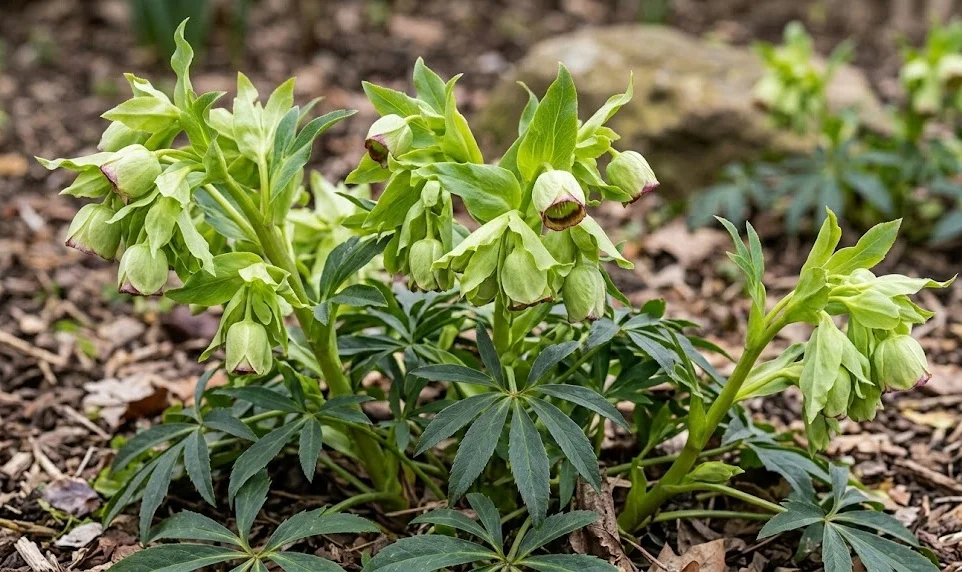
Stinking hellebore stands out as an exceptional choice for gardeners seeking year-round structure and unusual visual appeal in shaded landscapes. This evergreen perennial features deeply divided, dark green foliage that forms a dramatic architectural backdrop before the unique pale green bell-shaped flowers emerge. Despite its somewhat off-putting common name, the faint scent is only noticeable when the leaves are heavily crushed or bruised. Cultivating this plant successfully requires a nuanced understanding of its natural woodland habitat and growth cycles.
Gardeners often appreciate how this resilient species brings life to the garden during the bleakest months of late winter and early spring. The chartreuse blossoms contrast beautifully against the deep, leathery leaves, providing a vital source of early pollen for waking pollinators. Understanding the native ecosystem of this plant helps in replicating ideal conditions within a home garden setting. By respecting its preference for undisturbed growth, you can ensure a long and healthy lifespan for this remarkable specimen.
The growth habit of this perennial is distinctly upright, forming clump-like structures that can reach up to two feet in height. Unlike some of its close relatives, it carries its nodding flowers on sturdy, leafy stems rather than separate leafless stalks. This characteristic gives the entire plant a lush, bushy appearance even when it is not in full bloom. Properly integrated into a garden design, it fills difficult gaps where other more sensitive plants fail to thrive.
While the plant is inherently tough, maintaining its pristine appearance involves consistent but low-maintenance care routines. Observing the subtle changes in foliage color and stem strength will provide valuable clues about the overall health of the specimen. It is crucial to remember that all parts of the plant are toxic, which naturally deters common garden pests like deer and rabbits. Taking the time to observe its natural development will guide you in providing the perfect level of care throughout the year.
More articles on this topic
Optimal soil and structural conditions
The foundation of successful cultivation lies within the physical and chemical properties of the soil you provide. This species thrives best in lime-rich, alkaline to neutral soils that mimic its native European woodland floors. Although it can tolerate slightly acidic conditions, incorporating organic matter will dramatically improve the structural quality of the medium. Ensuring excellent drainage is paramount, as compacted or waterlogged earth will quickly lead to health issues.
Heavy clay soils can be significantly improved by mixing in well-rotted compost, leaf mold, or fine grit before introducing the plant. This open structure allows the deep root system to expand freely while maintaining a healthy balance of oxygen and moisture. Organic amendments not only improve texture but also encourage beneficial microbial activity within the rhizosphere. Taking the time to prepare a deep, fertile bed will reward you with robust growth and more abundant flowering.
The physical positioning of the plant within your landscape layout also plays an important role in its structural development. Placing it near established trees or large shrubs provides natural protection from severe weather elements and heavy downpours. The surrounding root systems of larger plants can also help absorb excess moisture, protecting the hellebore from standing water. A well-chosen location reduces the need for artificial supports, keeping the upright stems strong and naturally elegant.
Mulching around the base of the plant is highly beneficial for maintaining optimal soil consistency and temperature stability. A thin layer of chopped leaves or bark mulch protects the shallow surface roots from drying out during unexpected heatwaves. Care should be taken to keep the mulch a few inches away from the main stems to prevent fungal issues. This simple practice replicates the natural accumulation of forest litter, keeping the root zone cool and fertile.
More articles on this topic
Seasonal maintenance routines throughout the year
Spring brings a period of active growth and transition as the old flowers begin to fade and set seeds. During this time, observing the developing seed pods will help you decide whether to allow natural self-seeding or intervene. Removing the heavy flowering stalks before they dry out redirects the plant’s energy toward developing lush new foliage. This early intervention keeps the clump looking neat and prevents an overabundance of seedlings from crowding the area.
As summer approaches, the main priority shifts from active maintenance to monitoring environmental stressors like heat and drought. Although established specimens possess a remarkable degree of drought tolerance, young plants require watchful care during extended dry spells. Providing deep, occasional watering during cool morning hours helps maintain foliage turgor without encouraging fungal growth on the leaves. Keeping the surrounding area free of aggressive weeds reduces competition for both water and vital soil nutrients.
Autumn marks a phase of subtle preparation as the cooler temperatures stimulate new root development beneath the surface. This is an excellent time to inspect the overall condition of the evergreen foliage and clear away any fallen debris from neighboring trees. Removing heavy accumulations of wet leaves prevents suffocating the crown and reduces the risk of overwintering fungal spores. A clean base allows air to circulate freely around the lower stems, which is essential for maintaining health.
Winter is the true highlight of this plant’s lifecycle, as the bright chartreuse flower buds begin to swell against the dark foliage. Regular inspections during this quiet season ensure that heavy snow loads do not physically break the sturdy stems. If freezing winds threaten to scorch the leaves, providing a temporary brushwood shelter can protect the visual integrity of the plant. Enjoying the early winter display is the rewarding culmination of your careful year-round maintenance efforts.
Managing growth and surrounding vegetation
Managing the space around your plants ensures they have the room required to reach their full ornamental potential. This species develops a moderately wide spread over several years, requiring thoughtful spacing from neighboring perennials. Companion plants should be selected based on shared environmental preferences, such as shade-loving ferns or delicate woodland wild flowers. Ensuring that faster-growing neighbors do not completely overshadow or smother the hellebore is crucial for long-term success.
Invasive weeds can quickly encroach upon the root zone, competing for nutrients and creating a cluttered aesthetic appearance. Manual weeding around the base should be done carefully to avoid disturbing the sensitive, shallow roots of the plant. Avoid using aggressive tilling tools close to the crown, as physical damage can open entry points for pathogens. Maintaining a clean perimeter highlights the architectural form of the plant while reducing pest hideouts.
Natural self-seeding can be a wonderful benefit or a management challenge depending on your specific garden design goals. If left unchecked, a single healthy specimen can produce dozens of small seedlings around its base within a single season. These young plants can be easily moved to new locations while they are small, or simply thinned out to prevent overcrowding. Managing this reproductive abundance allows you to expand your woodland garden collection without incurring additional costs.
Over time, older clumps may become dense, which can sometimes reduce air circulation through the center of the foliage. Thinning out a few of the older or damaged stems allows light to penetrate into the crown, stimulating fresh growth. This practice also helps maintain a balanced shape, ensuring the plant looks attractive from all viewing angles. Regular observation ensures that you can guide the growth habit naturally without resorting to drastic interventions.
Long-term health monitoring and care adjustments
Sustaining the vigor of this perennial over many years involves regular evaluation of its overall growth patterns. Healthy specimens show consistent annual growth, producing sturdy new stems and vibrant, blemish-free leaves each spring. If you notice a sudden decline in flower production or a general lack of vigor, it may indicate changing environmental conditions. Trees overhead may have grown denser, or the surrounding soil may have become depleted of essential structural elements.
Adjusting your care routines in response to these observations ensures the plant continues to thrive indefinitely. For instance, if nearby tree roots have grown too aggressive, you might need to supplement nutrients or water more frequently. Conversely, if a neighboring canopy is removed, providing artificial shade during peak hours might become necessary to prevent leaf scorch. Flexibility in your management approach allows you to counteract shifting garden dynamics effectively.
Soil compaction is another long-term factor that can quietly undermine the health of your established woodland plants. Heavy foot traffic or prolonged exposure to heavy rains can pack the soil down, depriving roots of vital oxygen. Gently aerating the area around the drip line with a garden fork can alleviate this pressure without causing root damage. Following up with an application of loose organic matter will help maintain this newly restored soil porosity.
Keeping a simple gardening journal can be incredibly helpful for tracking the long-term performance of your plants. Noting the exact dates of flowering, pruning, and any unusual weather patterns helps you anticipate future care needs more accurately. This historical perspective allows you to notice subtle trends that might escape casual day-to-day observation. Ultimately, informed adjustments based on long-term tracking result in a highly resilient and visually stunning garden feature.
Enhancing aesthetic value in shade gardens
Integrating this plant into your broader garden design requires an appreciation for its unique structural qualities and color palette. The deep green, almost black hue of the foliage provides a spectacular contrast against brighter, light-colored plants. Positioning it alongside golden-leaved hostas or variegated groundcovers creates an eye-catching interplay of light and shadow in darker corners. The dramatic silhouette adds architectural depth that elevates the entire aesthetic composition of a shade garden.
The winter flowering period offers a rare opportunity to create focal points when most other garden plants are dormant. Placing these specimens near walkways, patios, or entryways allows you to appreciate the early chartreuse blooms up close. The nodding bells catch the soft winter light, bringing a sense of life and movement to otherwise static winter landscapes. Grouping several plants together creates a bold drift of color that can visually anchor a large woodland border.
Combining this perennial with early-blooming spring bulbs can result in breathtaking and highly coordinated seasonal displays. Snowdrops, crocuses, and early daffodils look spectacular when emerging through the dark, structured skirts of the hellebore foliage. The chartreuse flowers of the hellebore harmonize beautifully with the pure whites and bright yellows of early bulbs. This layered planting technique maximizes spatial efficiency while providing a continuous sequence of interest from winter through spring.
Even when the flowering season concludes, the architectural presence of the plant continues to provide strong structural value. The deeply divided leaves offer a fine, detailed texture that complements broad-leaved shade plants like rodgersias or large bergenias. Using it as a structural repeating element throughout a border establishes a sense of rhythm and visual continuity. Maximizing these design opportunities transforms a simple plant into a vital component of a sophisticated landscape.
Common mistakes to avoid during routine upkeep
One of the most frequent errors made by enthusiastic gardeners is over-watering or planting in poorly drained locations. This species is highly susceptible to root issues when forced to sit in constantly saturated, heavy soils. It is far better to allow the soil to dry out slightly between waterings than to maintain a soggy environment. Selecting the correct site from the beginning is the easiest way to avoid this potentially fatal cultivation mistake.
Another common pitfall is planting the crown too deeply in the ground during installation or mulching processes. The crown, where the stems meet the roots, must sit exactly at or slightly above the surrounding soil level. Burying this sensitive junction restricts air movement and invites various destructive fungal pathogens to take hold. Always check the depth carefully before firming the soil around a newly positioned or transplanted specimen.
Neglecting to wear protective gloves when handling or pruning this plant is an easily avoided but painful mistake. The sap contains irritating compounds that can cause uncomfortable skin inflammation or blisters upon direct contact. It is wise to wash your tools and hands thoroughly after performing any maintenance tasks involving cut stems. Educating family members and visitors about the plant’s toxic nature ensures everyone remains safe while enjoying its beauty.
Finally, failing to remove old, diseased foliage at the correct time can lead to a rapid spread of winter pathogens. Leaving heavily spotted or decaying leaves on the plant compromises both its health and its visual appeal during the flowering season. Regular, clean pruning combined with proper disposal of infected material keeps the plant looking pristine and vigorous. Avoiding these simple mistakes ensures a rewarding and trouble-free gardening experience for many years to come.