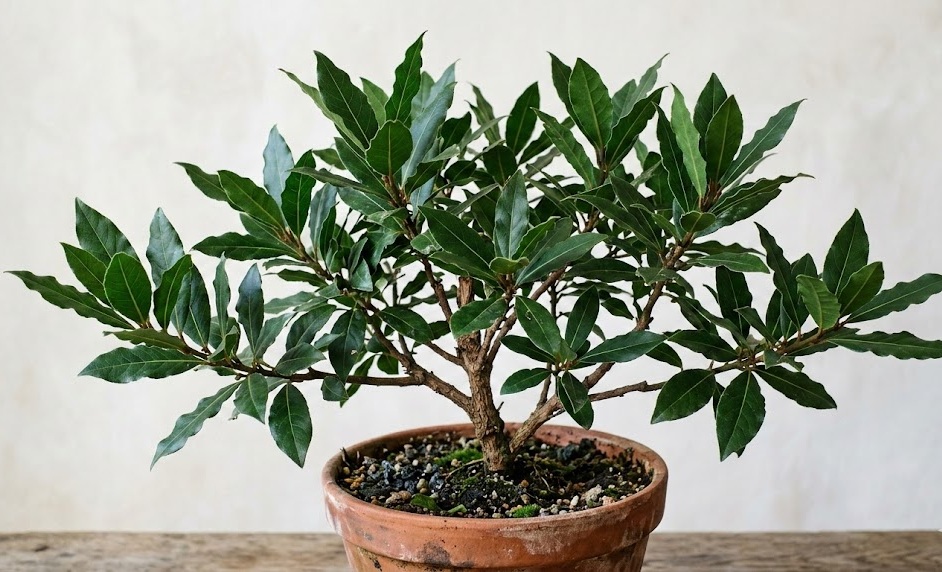

Proper hydration is the cornerstone of maintaining the health and beauty of a bay laurel in any garden setting. While these plants are drought-tolerant once established, they require a consistent watering schedule during their first few years. The goal is to keep the soil moisture levels stable without ever allowing the roots to sit in stagnant water. Understanding the specific needs of your laurel will prevent the most common problems associated with improper watering habits.
The timing of your watering routine can have a significant impact on how effectively the plant uses the moisture. Watering early in the morning allows the foliage to dry out before the sun becomes too intense, reducing the risk of leaf scorch. It also ensures that the plant has a full reservoir of hydration to draw from during the heat of the day. If you must water in the evening, try to apply the water directly to the soil to keep the leaves dry.
Observing the plant is the best way to determine if your watering schedule needs adjustment for the current weather. If the leaves begin to lose their shine or appear slightly limp, it is usually a sign that the plant is thirsty. Conversely, yellowing leaves can sometimes indicate that the soil is staying too wet for too long, which is a warning of potential root issues. Trusting your eyes and your touch will lead to a much healthier plant than following a rigid calendar.
Environmental factors like wind and temperature will dictate how quickly the soil around your laurel dries out over time. During a hot, dry summer, you might find that your laurel needs a deep soak every few days to stay vibrant. In contrast, during the cooler and more humid autumn months, you can significantly reduce the frequency of your watering. Always check the soil a few centimeters below the surface before deciding to add more water to the plant.
Avoiding moisture stress
Moisture stress occurs when the plant cannot take up water fast enough to replace what it loses through its leaves. This is particularly common during the transition from winter to spring when the sun warms up but the ground is still cool. To prevent this, ensure that your laurel is well-hydrated before any expected heatwaves or periods of high wind. A stressed plant is much more vulnerable to attacks from pests like scale insects or mites.
More articles on this topic
Overwatering is often more dangerous than underwatering because it leads to the total collapse of the root system. When the soil is saturated, oxygen cannot reach the roots, causing them to suffocate and eventually rot away. If you suspect your plant is overwatered, stop watering immediately and allow the soil to dry out completely before resuming. In extreme cases, you might need to repot the plant in fresh, dry soil to save it.
The use of a moisture meter can be a helpful tool for those who are unsure about the hydration levels of their plants. These simple devices provide an instant reading of how much water is available at the root level of the shrub. Using a meter takes the guesswork out of watering and helps you develop a more precise and professional care routine. It is an inexpensive investment that can prevent many of the common pitfalls of laurel cultivation.
Mulching is a professional secret for maintaining consistent moisture levels in the soil throughout the entire growing season. A thick layer of organic mulch acts like a sponge, holding onto moisture and releasing it slowly to the roots below. It also prevents the surface of the soil from baking hard, which can make it difficult for water to penetrate later. Regularly refreshing the mulch layer will keep the root zone of your laurel cool and hydrated even in peak summer.
Nutrient needs during growth
To produce its characteristic dark green and aromatic leaves, the bay laurel requires a steady supply of essential nutrients. Nitrogen is the primary driver of leafy growth and should be the focus of your fertilization efforts during the spring. A balanced approach ensures that the plant also receives enough phosphorus for root strength and potassium for overall resilience. Providing these elements in the correct proportions will result in a plant that is both beautiful and healthy.
More articles on this topic
Feeding should begin in early spring just as the first signs of new growth appear on the branches. This gives the plant the energy it needs to push out fresh foliage and expand its root system for the year. You can use a slow-release granular fertilizer that will provide a steady stream of nutrients over several months. This method is convenient and reduces the risk of giving the plant too much food all at once.
During the peak of the growing season, a supplemental liquid feed can provide an extra boost for your bay laurel. This is especially useful for container-grown plants where nutrients are washed out of the soil more frequently by watering. A diluted seaweed extract or a balanced liquid fertilizer can be applied every two to four weeks. Always apply liquid feeds to moist soil to ensure that the roots can absorb the nutrients efficiently without being burned.
Stop all fertilization by late summer to prevent the plant from producing soft, new growth that won’t survive the winter. Any growth stimulated late in the season is highly susceptible to frost damage and can weaken the overall structure of the tree. Allowing the plant to naturally slow down its metabolism as autumn approaches is a key part of professional care. This cyclical approach mimics the natural rhythm of the laurel’s native Mediterranean environment.
Organic vs. synthetic fertilizers
Choosing between organic and synthetic fertilizers is a decision that depends on your personal gardening philosophy and the plant’s needs. Organic fertilizers, like well-rotted manure or bone meal, work by improving the overall health of the soil biology. They release nutrients slowly as they are broken down by microbes, providing a long-term source of food for the plant. Many experts prefer this method because it creates a more sustainable and resilient environment for the roots.
Synthetic fertilizers offer the advantage of precision and immediate availability of nutrients to the plant when needed. They are formulated to provide specific ratios of nitrogen, phosphorus, and potassium that can target particular growth stages. While they are very effective, they do not contribute to the long-term structure or health of the soil itself. If you use synthetic options, be sure to follow the dosage instructions strictly to avoid harming the plant.
A combination of both organic and synthetic approaches can often yield the best results for a domestic bay laurel. For example, you might use a base of organic compost in the spring and supplement it with a synthetic boost during the summer. This “hybrid” method ensures the soil remains healthy while the plant gets the extra energy it needs for growth. Observing how your laurel responds to different products will help you find the perfect balance for your garden.
Regardless of the type of fertilizer you choose, always water the plant well before and after the application of nutrients. This helps the fertilizer penetrate deep into the root zone and prevents the concentration of salts near the surface. Avoiding contact between the fertilizer and the foliage is also important to prevent chemical burns on the leaves. Consistency and care in the application process are just as important as the quality of the fertilizer itself.
Winter dormancy adjustments
As the daylight hours shorten and temperatures drop, the metabolic rate of the bay laurel slows down significantly. During this period of dormancy, the plant’s demand for both water and nutrients decreases to almost nothing. It is crucial to adjust your care routine accordingly to avoid overwhelming the plant while it is resting. Most laurels that fail during the winter do so because they were given too much water while they were dormant.
Watering should be reduced to the bare minimum, providing only enough to prevent the root ball from drying out completely. If the soil stays damp for too long in the cold, it becomes a breeding ground for pathogens that cause root rot. Check the moisture level only once every few weeks if the plant is kept in a cool, sheltered spot. If the laurel is overwintering in a heated indoor space, you may need to water it slightly more often.
Feeding should be stopped entirely during the winter months, as the plant cannot process the nutrients while it is not growing. Any fertilizer added now will simply sit in the soil and can lead to a toxic buildup of salts. Wait until the first signs of spring growth before reintroducing any form of nutrition to the plant’s environment. This period of rest is essential for the laurel to build up the reserves it needs for the following season.
If your laurel is kept indoors for the winter, humidity can become a problem due to central heating drying out the air. While the roots need less water, the foliage might appreciate a light misting with room-temperature water occasionally. Placing the pot on a tray of wet pebbles can also help maintain a slightly higher humidity around the plant. These small adjustments will keep the laurel looking fresh and healthy until it can go back outside.