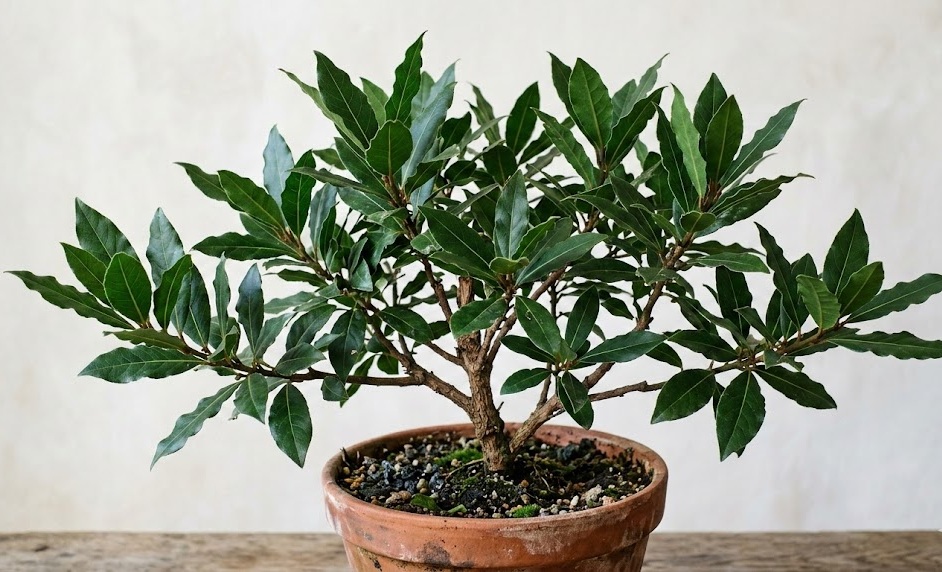

Bay laurel is a timeless addition to any Mediterranean-style garden, offering both aesthetic beauty and culinary utility. To ensure this evergreen shrub thrives, you must understand its natural habitat and replicate those conditions as closely as possible. It prefers a sheltered position where it is protected from harsh winds that can damage its glossy foliage. Providing a stable environment from the start will significantly reduce the stress on the plant as it matures.
Soil quality plays a pivotal role in the overall health and vigor of your laurel tree. It is essential to use a well-draining potting mix if you are growing it in a container to prevent waterlogging. Most gardeners find that a mixture of loam, sand, and organic compost provides the perfect balance of nutrients and drainage. Ensuring the roots have enough space to breathe is the foundation of a long-lived and healthy specimen.
Temperature regulation is another critical factor that influences how well the bay laurel develops over the seasons. While it is relatively hardy, sudden drops in temperature during the late autumn can catch the plant off guard. You should monitor the weather closely and be prepared to move potted plants to a more protected area if a frost is expected. Consistency in its surroundings allows the plant to focus its energy on new growth rather than survival.
Air circulation should never be overlooked when positioning your laurel in the garden or on a terrace. Dense foliage can sometimes trap moisture, which creates an environment where fungal issues might start to develop. By leaving enough space between plants, you allow the breeze to naturally dry the leaves after a rain shower. This simple step is one of the most effective ways to maintain the pristine appearance of the evergreen leaves.
Understanding soil requirements
The foundation of a healthy laurel begins with the chemistry and structure of the earth it resides in. A slightly acidic to neutral pH level is generally considered ideal for optimal nutrient uptake through the roots. You can easily test your soil at home to see if any amendments are necessary before you begin the planting process. Adding a bit of peat moss or sulfur can help lower the pH if your soil is too alkaline.
More articles on this topic
Structure is just as important as chemistry when it comes to long-term care and root development. Compacted soil is the enemy of the bay laurel because it restricts oxygen flow and prevents water from reaching the deeper roots. You should incorporate plenty of organic matter, such as well-rotted manure or garden compost, to keep the soil structure loose. This practice not only improves drainage but also provides a slow-release source of vital minerals.
If you choose to grow your laurel in a pot, the choice of container material can influence soil health. Terracotta pots are often preferred because they are porous and allow moisture to evaporate through the walls. This helps prevent the soil from staying too damp for extended periods, which is a common cause of root issues. Make sure the container has multiple drainage holes to facilitate the exit of excess water.
Mulching is a highly beneficial technique that helps regulate soil temperature and moisture throughout the year. A layer of bark chips or wood shavings around the base of the plant can suppress weed growth effectively. It also acts as an insulating blanket during the colder months, protecting the sensitive upper roots from freezing. As the mulch breaks down, it further enriches the soil with organic components that the plant will appreciate.
Managing container growth
Growing bay laurel in containers is a popular choice for those with limited garden space or colder climates. This method allows you flexibility in moving the plant to follow the sun or escape the frost. However, container-grown plants require more frequent monitoring than those planted directly in the ground. You must be diligent about checking moisture levels since pots dry out much faster than garden beds.
More articles on this topic
Repotting is a task you will need to perform every two to three years to prevent the plant from becoming root-bound. When you notice roots emerging from the drainage holes, it is a clear sign that the laurel needs more space. Choose a new pot that is only one or two sizes larger than the current one to avoid excessive soil volume. Fresh potting mix should be used during this transition to give the plant a fresh boost of energy.
The size of the container will eventually dictate the ultimate size of your bay laurel tree. If you wish to keep the plant at a manageable height, you can prune the roots slightly during the repotting process. This technique, combined with top pruning, helps maintain a balanced shape and size suitable for a patio or balcony. Always use sharp, sterilized tools when working with the root system to prevent infection.
Nutrient depletion happens more rapidly in a confined environment compared to the open garden. Because the plant cannot reach out into the surrounding earth for food, it relies entirely on what you provide. During the growing season, a balanced liquid fertilizer can be applied every few weeks to support lush foliage. Be careful not to over-fertilize, as this can lead to a buildup of salts in the potting medium.
Environmental stressors and protection
Bay laurel is generally a tough plant, but it can still suffer from environmental stress if not properly managed. Strong, drying winds are particularly problematic as they can cause the edges of the leaves to turn brown and brittle. Placing the plant near a wall or a taller hedge can provide the necessary windbreak it needs to stay healthy. This protection is especially important during the winter months when the air is naturally drier.
Heatwaves can also take a toll on the foliage, causing the leaves to droop or even scorch under intense midday sun. While laurel loves the light, providing some light shade during the hottest part of a summer afternoon can be beneficial. If you notice the leaves looking dull or losing their luster, it might be a sign that the plant is struggling with heat. Increasing the ambient humidity around the plant with a light misting can help alleviate this stress.
Pollution is another factor to consider if you live in an urban environment or near a busy road. Dust and soot can accumulate on the glossy surface of the leaves, blocking the pores and reducing the plant’s ability to photosynthesize. Periodically wiping the leaves with a damp cloth or giving the plant a gentle shower with a hose can keep it clean. This simple maintenance task ensures the laurel remains both functional and decorative.
Frost pockets in the garden should be avoided at all cost when selecting a permanent spot for your shrub. Cold air tends to settle in low-lying areas, which can lead to localized freezing even if the general temperature is above zero. If your laurel is planted in the ground, a horticultural fleece can be used to wrap the canopy during particularly cold spells. Taking these precautions will ensure that the plant survives the winter without significant dieback.
Seasonal maintenance cycles
Spring is the time for renewal and is the best season to perform major maintenance tasks on your laurel. As the weather warms up, you will see new light-green shoots appearing at the tips of the branches. This is the perfect moment to apply a slow-release fertilizer to support the upcoming burst of growth. You should also check for any winter damage and remove any dead or diseased wood immediately.
Summer maintenance is primarily focused on moisture management and pest monitoring. During periods of drought, the laurel will need regular watering to prevent the soil from drying out completely. You should also keep an eye out for scale insects, which are particularly fond of the thick, leathery leaves. Early detection is key to preventing a small infestation from turning into a major problem for the whole plant.
As autumn arrives, you should begin to scale back on feeding to allow the new growth to harden off before winter. This preparation is vital for the plant’s survival during the dormant period that follows. You can also take this time to clean up the base of the plant by removing fallen leaves and debris. This reduces the risk of pests or diseases overwintering in the soil around the laurel.
Winter is the dormant phase where the plant requires very little attention but still needs protection. Watering should be kept to a minimum, only providing enough to keep the root ball from becoming bone dry. If the plant is indoors, ensure it is not placed near a radiator or any other direct heat source. The goal during these months is simply to keep the plant stable until the cycle begins again in spring.
Nutrient management basics
A professional approach to laurel care involves a deep understanding of what the plant needs to build strong cell walls. Nitrogen is the most important element for foliage plants, as it promotes the production of chlorophyll and leafy growth. However, a balanced fertilizer containing phosphorus and potassium is better for the overall health of the root system and stem. Using a variety of nutrient sources can help provide a more complex profile of minerals.
Organic amendments like compost tea or seaweed extract can provide trace elements that synthetic fertilizers might lack. These natural options also help foster a healthy community of beneficial microbes in the soil. Healthy soil biology is often the difference between a plant that just survives and one that truly flourishes. Applying these liquids to the soil surface allows the roots to absorb them gradually over time.
Yellowing leaves, a condition known as chlorosis, can often indicate a deficiency in iron or magnesium. If you notice this happening despite regular feeding, it might be that the soil pH is preventing the plant from absorbing these specific minerals. In such cases, a foliar spray or a specialized chelated iron supplement can provide a quick fix. Always follow the manufacturer’s instructions to avoid burning the delicate leaf tissues.
It is important to remember that over-feeding can be just as damaging as under-feeding your bay laurel. Excessive nitrogen can lead to soft, leggy growth that is more susceptible to pests and cold damage. A steady, moderate feeding schedule is always preferable to large, infrequent doses of fertilizer. Observing the plant’s reaction to your feeding routine will help you fine-tune the process for your specific environment.
Long term sustainability
Ensuring the longevity of a bay laurel requires a commitment to consistent and patient care over many years. These plants are slow growers, but they can live for decades or even centuries if they are treated with respect. Developing a routine that includes regular inspections will help you catch potential issues before they become terminal. A healthy laurel is a legacy plant that can be passed down through generations.
Biodiversity in the surrounding garden can also contribute to the long-term health of your laurel shrub. By planting a variety of species, you encourage a natural balance of predators and prey among the insect population. This reduces the need for chemical interventions and creates a more resilient ecosystem for all your plants. Encouraging birds and ladybugs into your garden is a great way to manage pests naturally.
Water conservation is an increasingly important aspect of modern gardening that applies to laurel care as well. Using rainwater collected in barrels is much better for the plant than treated tap water, which can contain chlorine and fluoride. Mulching, as mentioned before, is also a key strategy for reducing the amount of water needed to keep the plant hydrated. Sustainable practices not only help the environment but also make for a more self-sufficient garden.
Finally, the joy of growing bay laurel comes from the connection it provides to culinary traditions and history. Being able to harvest your own fresh leaves for cooking is a rewarding experience that justifies the effort of care. Share your knowledge and perhaps even cuttings of your plant with friends and neighbors to spread the love for this noble herb. A garden is most successful when it is shared and appreciated by a community of like-minded enthusiasts.