
Preparing your garden for the challenges of the winter season is a critical task that ensures the survival and vigor of your perennial succulent collection. You must understand that while these plants are remarkably cold-hardy, they have specific requirements to withstand the combination of freezing temperatures and moisture. The key to successful overwintering lies in managing the plant’s internal water content and protecting its structural integrity from the elements. A thoughtful approach to winter preparation will allow your ice plants to emerge in the spring ready for another season of vibrant growth.
The most important factor in winter survival is the timing of your final maintenance tasks as the days begin to shorten. You should stop all fertilization by late summer to prevent the plant from producing tender new growth that would be easily damaged by frost. Reducing your watering frequency in the autumn encourages the plant to concentrate its cellular fluids, which acts as a natural antifreeze. This physiological transition is a vital part of the hardening-off process that prepares the succulent tissues for sub-freezing temperatures.
Good drainage becomes even more critical during the winter months when the plant is dormant and less able to process excess moisture. You should ensure that the area around your ice plants is free of fallen leaves and other debris that could trap dampness against the crown. If your soil tends to stay wet, you might consider adding a bit more grit or small stones to the surface to help water move away quickly. The combination of cold and wet is the primary cause of winter failure, so moisture management should be your top priority.
In regions with extremely harsh winters or frequent freeze-thaw cycles, a little bit of extra protection can go a long way. You don’t necessarily need to bring the plants indoors, but providing a temporary cover during the coldest snaps can prevent desiccation and physical damage. Using a breathable material like burlap or a specialized frost blanket allows for air exchange while still offering a buffer against biting winds. Knowing the specific cold-tolerance of your variety will help you decide exactly how much intervention is necessary.
Managing the impact of frost and snow
Frost can create beautiful patterns on the garden, but it also poses a physical challenge to the water-filled leaves of your succulents. You will notice that the foliage may shrink or take on a darker, almost purplish color as the plant reacts to the cold. This is a normal defensive response and should not be a cause for alarm as long as the tissues remain firm. The ice plant’s ability to survive these conditions is a testament to its evolution in rugged, high-altitude environments.
More articles on this topic
Snow can actually act as a beneficial insulator, protecting the plants from extreme temperature fluctuations and drying winds. You should generally leave a light layer of snow in place, as it creates a stable microclimate that can keep the ground from freezing as deeply. However, heavy, wet snow should be gently brushed away if it threatens to crush the stems or create pockets of stagnant moisture as it melts. Finding the right balance between natural protection and physical risk is a skill you will develop over several seasons.
Freeze-thaw cycles are perhaps the most difficult aspect of winter for many gardeners to manage effectively. You should check your plants periodically during winter thaws to ensure that the roots haven’t been “heaved” out of the soil by the expanding ice. If you see roots exposed on the surface, gently press them back into the earth and add a little bit of extra mulch for protection. This simple task takes only a few minutes but can prevent the death of an otherwise healthy plant mat.
Wind protection is another often-overlooked aspect of winter care that can make a significant difference in survival rates. You should consider the direction of the prevailing winter winds and whether your planting site offers any natural or artificial buffers. A simple stone wall or a well-placed group of larger shrubs can create a protected zone where the ice plants are shielded from the most desiccating gusts. Reducing wind exposure helps the plant maintain its internal hydration and reduces the risk of winter burn.
Container care during the cold months
Succulents grown in containers are more vulnerable to the cold because their roots are not insulated by the large mass of the earth. You should be prepared to take extra steps to protect your potted ice plants if you live in a climate where temperatures regularly drop well below freezing. Grouping your containers together in a sheltered spot, such as against a south-facing wall, can help them retain a bit more heat. You can also wrap the pots in bubble wrap or burlap to provide an extra layer of insulation for the sensitive root zone.
More articles on this topic
In some cases, moving the containers to an unheated garage or a cold frame might be the best strategy for the harshest part of the winter. You want to keep the plants in a state of dormancy, so the storage area should be cold but not subject to extreme freezing or frequent temperature spikes. Check the moisture levels in the pots once a month, providing just enough water to keep the soil from becoming bone-dry. The goal is to provide a stable, protected environment until the threat of severe frost has passed in the spring.
If you choose to keep your containers outdoors, make sure they are made of frost-resistant materials like thick ceramic, stone, or specialized plastics. You should avoid thin terracotta pots, which can easily crack when the moisture in the clay expands as it freezes. Elevating the pots on “pot feet” or bricks will also improve drainage and prevent them from freezing directly to the ground. These small structural adjustments are part of a professional approach to container gardening in temperate climates.
Spring transition for container plants should be a gradual process to avoid shocking the succulents as they wake up. You should move them back into their sunny summer positions only after the hardest freezes are over and the days are consistently warming. Start by increasing the water slightly and observing how the plant responds with new growth and color. This careful re-introduction to the garden ensures that your potted ice plants are ready to shine for another year.
Evaluating winter health and spring recovery
As the first signs of spring appear, you should take the time to conduct a thorough inspection of your ice plant beds. You might see some shriveled or brown foliage, which is often just the outer layer of protection the plant created for itself. Gently feel the stems near the base to ensure they are still firm and show signs of life beneath the surface. This is the moment when all your careful preparation and monitoring throughout the winter finally pay off.
Any dead or severely damaged sections should be pruned away once the threat of further frost has completely passed. You will find that the plant is often very eager to fill in these gaps as soon as the soil temperatures rise. This spring cleanup is also a great time to refresh the mineral mulch and check for any weeds that might have gained a foothold during the winter. A tidy garden is not only more attractive but also healthier as it enters the new growing season.
If you notice that a plant has not survived the winter, don’t be discouraged; instead, use it as a learning opportunity. You should analyze why that specific spot or plant failed—was it too wet, too exposed, or perhaps a less hardy variety? This information is invaluable for refining your future gardening strategies and choosing the best locations for new plantings. Every season brings new insights that contribute to your growing expertise and success as a gardener.
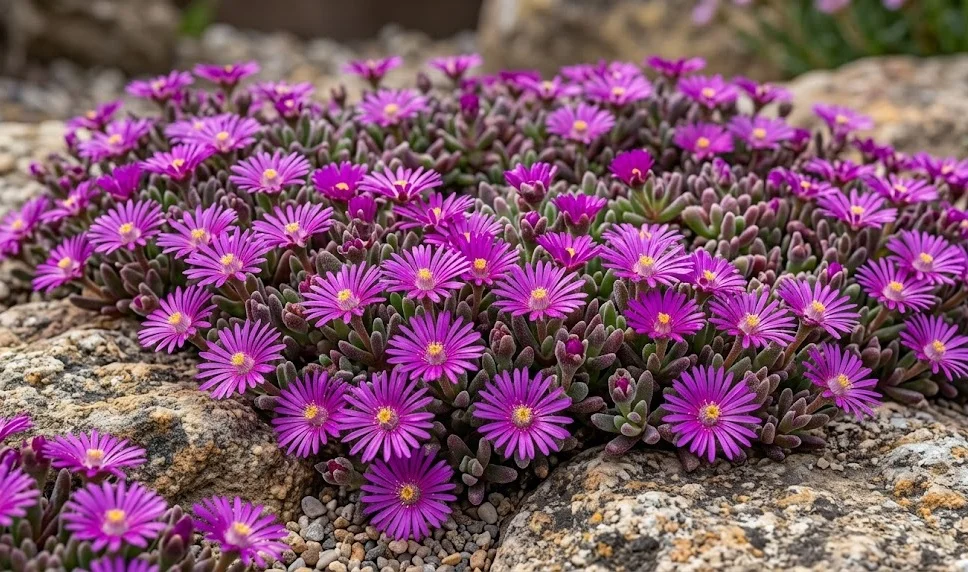
The resilience of the hardy ice plant means that it will often surprise you with its ability to bounce back from even the toughest winters. You will see the dull winter colors quickly replaced by vibrant greens and then the spectacular purple blooms that define this species. Watching this cycle of dormancy and renewal is one of the most rewarding aspects of working with perennial succulents. By following these professional overwintering guidelines, you ensure that your garden remains a source of beauty year after year.