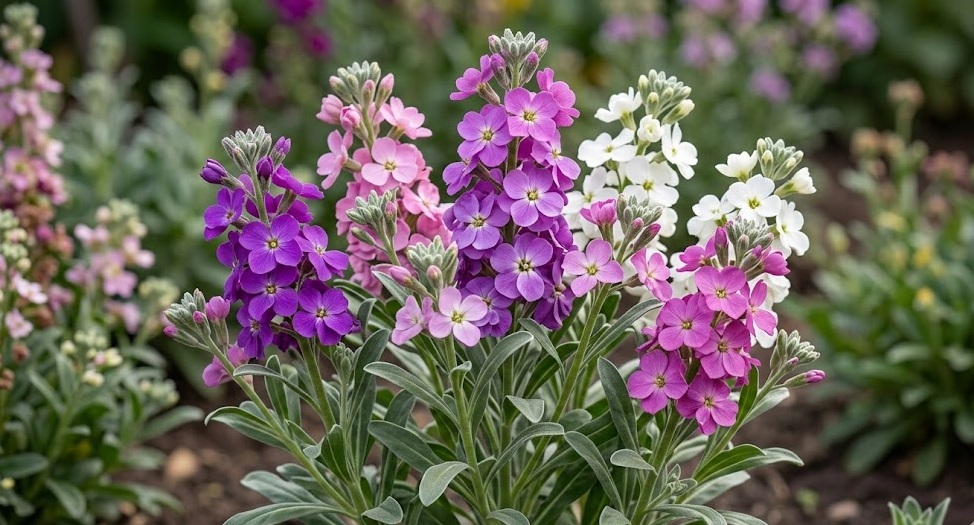

Understanding the light dynamics of hoary stock is fundamental to achieving the professional-grade blooms that this species is known for. Light is the primary driver of photosynthesis, influencing everything from stem strength to the intensity of the floral fragrance. While these plants are generally lovers of the sun, the quality and duration of light they receive must be managed carefully to avoid stress. An expert gardener knows how to balance solar energy with environmental protection to ensure peak performance.
Optimizing direct sunlight exposure
Hoary stock thrives best when it receives a significant amount of direct sunlight each day. You should aim for at least six to eight hours of full sun to ensure that the stems grow strong and the flower spikes are densely packed. Without adequate light, the plants often become “leggy,” stretching toward the nearest light source and losing their structural integrity. In a professional garden layout, the tallest varieties should be placed where they will not be shaded by other structures or plants.
The intensity of the morning sun is particularly beneficial for these plants as it helps to dry off dew and prevent fungal issues. You should prioritize locations that have an open eastern exposure, allowing the plants to “wake up” quickly and start their metabolic processes early. This early-day light is less stressful than the harsh, high-UV rays of the mid-afternoon. Establishing a strong morning light routine is a simple way to boost the overall health and vigor of your garden.
In regions with extremely high temperatures, the intense midday sun can sometimes lead to wilting or leaf scorch. While the plants need light, the accompanying heat can exceed their biological comfort zone during the peak of summer. You can mitigate this by providing some light filtration, such as a thin lattice or nearby tall grasses, during the hottest part of the day. This professional adjustment preserves the energy of the plant and extends the life of the individual flowers.
Monitoring how the light changes throughout the season is essential for long-term success. As the sun’s angle shifts, areas that were once in full sun may become shaded by trees or buildings. You should observe these transitions and be prepared to move container-grown plants or adjust your future planting plans. Being responsive to the solar rhythm of your specific site is a hallmark of an observant and expert horticulturalist.
More articles on this topic
Managing partial shade and low-light conditions
While full sun is ideal, hoary stock can tolerate partial shade, especially in warmer climates where midday relief is welcome. In these conditions, you may notice that the flowering period is slightly delayed, but the colors of the blooms can often appear more intense and saturated. The key is to ensure that even in partial shade, the light is “bright” and not deep or stagnant. Avoid placing them under heavy tree canopies where the light is filtered too heavily and the air circulation is poor.
If you are forced to grow stock in lower-light areas, you must be extra vigilant about watering and spacing. Plants in the shade stay wet longer, which significantly increases the risk of mildew and other moisture-related diseases. You should increase the distance between plants to compensate for the reduced evaporative power of the sun. Proper airflow becomes your primary tool for maintaining health when solar energy is limited.
Using reflective surfaces can be a clever professional trick to boost light levels in shaded corners. Light-colored walls, fences, or even strategically placed garden mirrors can bounce extra photons onto your plants. This can be particularly effective in urban gardens or small courtyards where space and light are at a premium. Small increases in light intensity can have a disproportionately large impact on the quality of the resulting flowers.
Be aware that different varieties of hoary stock may have slightly different tolerances for shade. Some of the more modern cultivars have been bred specifically for their resilience in less-than-ideal light conditions. If you know your garden has light challenges, choosing the right genetics from the start is a professional way to ensure success. Always check the specific requirements of the seeds or transplants you are purchasing to match them to your site.
More articles on this topic
Seasonal light shifts and plant response
The duration of daylight, or photoperiod, plays a significant role in triggering the flowering response in many stock varieties. As the days lengthen in the spring, the plants receive the biological signal to transition from leaf production to flower development. You should be mindful of this natural timing when planning your planting schedule to ensure the plants are large enough to support a heavy bloom. Understanding the relationship between day length and plant maturity is a key part of professional garden planning.
In the late summer and autumn, the decreasing light intensity and shorter days signal the plant to begin winding down its reproductive efforts. You may notice that the growth slows and the plant begins to focus more on its roots and structural maintenance. This is the time to reduce supplemental feeding and allow the plant to follow its natural seasonal path. Forcing a plant to grow rapidly when light levels are falling can lead to weak tissues that are vulnerable to disease.
Artificial lighting can be used by advanced gardeners to extend the growing season or start seedlings earlier in the year. Full-spectrum LED grow lights provide the specific wavelengths needed for both vegetative growth and flowering. When using artificial light, you must be careful to provide a “dark period” to allow the plant to complete its daily metabolic cycles. Mimicking the natural solar cycle as closely as possible is the best way to achieve professional results indoors.
Finally, remember that light is not just about energy; it is also about the aesthetic presentation of your garden. The way the low evening light catches the flower spikes of the hoary stock can create a magical atmosphere. Positioning your plants so they are back-lit or side-lit during the “golden hour” enhances their visual impact and the overall beauty of your landscape. Expert gardening is the art of combining biological needs with visual storytelling.