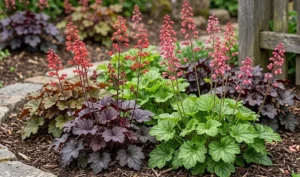
Water and nutrients have a direct influence on the health of harlequin flower, but excessive treatment is usually more damaging than moderate restraint. The corms need reliable moisture while producing roots, leaves and flowers, yet they require much drier conditions during dormancy. Fertilisation should support flowering and corm renewal without causing soft, nitrogen-rich foliage. By adjusting irrigation and feeding to the plant’s developmental stage, you can encourage both an impressive current display and strong performance in the following season.
Understanding moisture requirements
Harlequin flower needs oxygen around its roots as well as water. Soil that remains saturated fills its air spaces and restricts root respiration. Under these conditions, roots weaken and decay organisms can colonise the corm. The best moisture level is evenly damp during growth but never persistently waterlogged.
The plant’s narrow leaves lose less water than broad, soft foliage, yet active plants should not be allowed to remain completely dry for long periods. Drought during stem extension can shorten flowering stems and reduce bud development. Severe dryness while flowers are open may cause rapid wilting. Moderate consistency produces better results than alternating neglect with heavy irrigation.
Soil type determines how frequently water is required. Sandy soil drains rapidly and may need more frequent irrigation in warm weather. Loam retains moisture longer, while clay can remain wet well after the surface appears dry. Watering decisions should be based on the condition below the surface rather than on a fixed calendar.
Containers dry more quickly than garden beds because their root zones are surrounded by air. Small pots can become dry within a single warm day, especially in windy positions. However, saucers filled with water create the opposite problem by keeping the lower medium saturated. Drainage water should be allowed to escape freely after every irrigation.
More articles on this topic
Watering after planting and emergence
Immediately after planting, water the area enough to settle soil around the corms. This removes large air pockets and encourages contact between the basal plate and the surrounding medium. The bed should then be monitored rather than watered automatically. Before roots develop, corms are particularly vulnerable to decay in cold, saturated soil.
Autumn-planted corms may receive sufficient moisture from seasonal rainfall. Additional irrigation is needed only when the weather remains unusually dry. Cold soil loses water slowly, so a small amount can remain available for many days. Overwatering during this stage is a common cause of poor emergence.
Spring-planted corms often need more deliberate irrigation because temperatures rise quickly. Water when the upper few centimetres of soil begin to dry, applying enough moisture to reach the root zone. Shallow daily sprinkling encourages roots to remain close to the surface. Deeper, less frequent watering supports a more resilient root system.
Once shoots appear, inspect them regularly for signs of moisture stress. Upright, firm foliage generally indicates satisfactory hydration. Limp leaves in dry soil suggest that watering is overdue, while yellowing in wet soil points toward root stress. The soil condition should always be checked before interpreting symptoms.
More articles on this topic
Watering during flowering and dormancy
Bud formation and flowering are periods of relatively high demand. The plant should have access to steady moisture so that stems continue to expand and flowers open properly. Water at soil level to keep the petals and foliage as dry as possible. Wet flowers are more easily marked by fungal spotting and weather damage.
Early morning is usually the best time for irrigation. Leaves that become damp can dry during the day, and the roots receive moisture before afternoon heat increases evaporation. Evening watering may be acceptable in very dry climates, but it can prolong leaf wetness in humid areas. Long periods of surface moisture favour fungal infection.
After flowering, continue watering while the leaves remain green and active. The foliage is still replenishing the corm and preparing it for dormancy. Gradually lengthen the interval between waterings as yellowing begins. This encourages a natural transition rather than forcing the plant into premature decline.
Once the foliage is completely dry, regular irrigation should stop. Dormant corms need little or no water, particularly in cool conditions. In regions with wet summers, lifting the corms may be safer than leaving them in saturated ground. Containers can be moved beneath cover and kept almost dry until the next planting cycle.
Choosing and applying fertiliser
Harlequin flower performs well in moderately fertile soil and rarely needs heavy feeding. A balanced fertiliser can be incorporated at a low rate before planting if the soil is poor. Products with excessive nitrogen should be avoided because they stimulate leaves more strongly than flowers. A formula containing adequate potassium is generally more appropriate for flowering corms.
A second light application may be given when active shoots are well established. Liquid fertiliser is convenient for containers, while granular products can be used in beds. Always follow the manufacturer’s dilution or application guidance rather than estimating a stronger dose. Concentrated fertiliser can burn roots and damage newly developing tissue.
Potassium supports water regulation, stem strength and flower quality. Phosphorus contributes to energy transfer and root development, although many established soils already contain enough of it. Nitrogen remains necessary for leaf growth but should be supplied in moderation. Balanced nutrition means providing all essential elements without forcing unnaturally rapid growth.
Fertilisation should stop as the foliage begins to yellow. Dormant corms cannot use repeated nutrient applications effectively. Soluble salts may then accumulate in containers or remain concentrated around inactive roots. Restart feeding only after the next cycle of healthy growth is underway.
Recognising watering and nutrient problems
Overwatered plants often develop yellow leaves while the soil remains dark and wet. Stems may lose firmness, and the base of the plant can become soft. If the corm is inspected, it may show brown, watery tissue or an unpleasant smell. Treatment must focus on improving drainage and removing diseased material rather than adding fertiliser.
Underwatered plants usually show dry soil, folding leaves and reduced flower longevity. The margins of the leaves may become brown and brittle during prolonged drought. A thorough watering can restore mildly stressed plants if the roots remain healthy. Severely desiccated corms may not recover until the next growth cycle, if they survive at all.
Nitrogen excess produces long, soft leaves and weak stems. The foliage may appear very dark green while flower production remains disappointing. Stop feeding and provide the brightest suitable position. Growth will not become compact immediately, but later leaves and stems may develop more normally.
General paleness can result from nutrient deficiency, poor roots or unsuitable pH. Fertiliser should not be applied until waterlogging and disease have been ruled out. In containers, replacing exhausted medium may be more effective than repeatedly increasing liquid feed. Accurate diagnosis prevents a minor imbalance from becoming a serious corm problem.