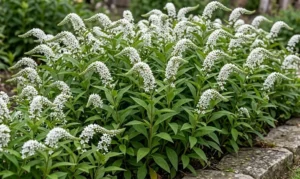
Harlequin flower depends on strong light to form compact foliage, upright flower stems and vividly coloured blooms. Although the plant can survive in partial shade, reduced sunlight often weakens its ornamental performance. The quality, duration and seasonal timing of light all matter, especially when corms are grown in containers or started under protection. Choosing the brightest practical position is one of the simplest ways to improve flowering.
Why full sun produces the best growth
Direct sunlight powers photosynthesis in the narrow green leaves. The carbohydrates produced are used for current flowering and stored in the developing replacement corm. A well-lit plant therefore supports both present and future performance. Poor light may not kill the plant immediately, but it gradually reduces its energy reserves.
At least six hours of direct sun is a useful target during active growth. Longer exposure is generally beneficial where temperatures remain moderate and soil moisture is adequate. Morning and midday sunlight are especially valuable because the leaves can photosynthesise intensely without remaining wet overnight. Deep afternoon shade may be acceptable in very hot climates.
Strong light also influences stem structure. Plants grown in sun usually develop shorter, firmer stems that support the flowers naturally. In shade, stems elongate as they search for light and may lean or collapse. Supporting weak stems does not correct the underlying shortage of light.
Flower colour is often more intense in bright conditions. The contrasting centres and petal markings become particularly clear when plants mature without shade stress. Weak light can produce fewer buds and less balanced growth. A sunny site therefore improves both the number and quality of blooms.
More articles on this topic
Adjusting exposure to climate and season
Full sun in a cool spring climate is different from full sun during intense summer heat. Harlequin flower usually completes much of its active growth before the hottest part of the year. This timing allows it to use abundant light without enduring extreme temperatures. Spring-planted specimens in continental climates may need more careful moisture management.
In very hot regions, light afternoon shade can reduce heat stress. The plant should still receive several hours of direct morning sun. Dense all-day shade is unsuitable because it limits photosynthesis too severely. The aim is to moderate excessive heat without creating a dim growing position.
Shelter should not be confused with shade. A transparent windbreak, open trellis or low wall can protect stems while leaving the plants exposed to sunlight. Tall evergreen shrubs may block both wind and necessary light. Observe how shadows move across the bed before choosing a permanent planting site.
Seasonal changes in sun angle can alter a location dramatically. A bed that is bright before trees leaf out may become shaded later in spring. This change can coincide with bud development and reduce flowering. Positions near deciduous trees should be evaluated throughout the plant’s entire active season.
More articles on this topic
Managing light in containers and protected spaces
Containers can be moved to follow favourable light conditions. Place them where the foliage receives direct sun without being shaded by railings, furniture or larger pots. Rotate the container regularly if light arrives mainly from one direction. This encourages straighter growth and a more even display.
Corms started in a greenhouse or conservatory need strong light from the moment shoots appear. Warmth combined with poor light causes rapid, weak extension. Cooler temperatures and a bright position produce sturdier plants. Supplemental grow lighting may be useful where natural winter or early-spring light is limited.
Plants moved outdoors from protection require gradual acclimatisation. Leaves formed behind glass can scorch when exposed suddenly to intense direct sun. Begin with a few hours of gentle morning light and increase exposure over several days. This hardening process also helps the stems adjust to wind and changing temperatures.
Light-related problems are usually visible in the overall shape of the plant. Leaning stems, pale foliage, wide spacing between leaves and poor flowering suggest insufficient exposure. Scorched patches, rapid wilting and overheated containers may indicate excessive heat rather than excessive light alone. Adjusting both position and watering produces better results than treating either factor in isolation.