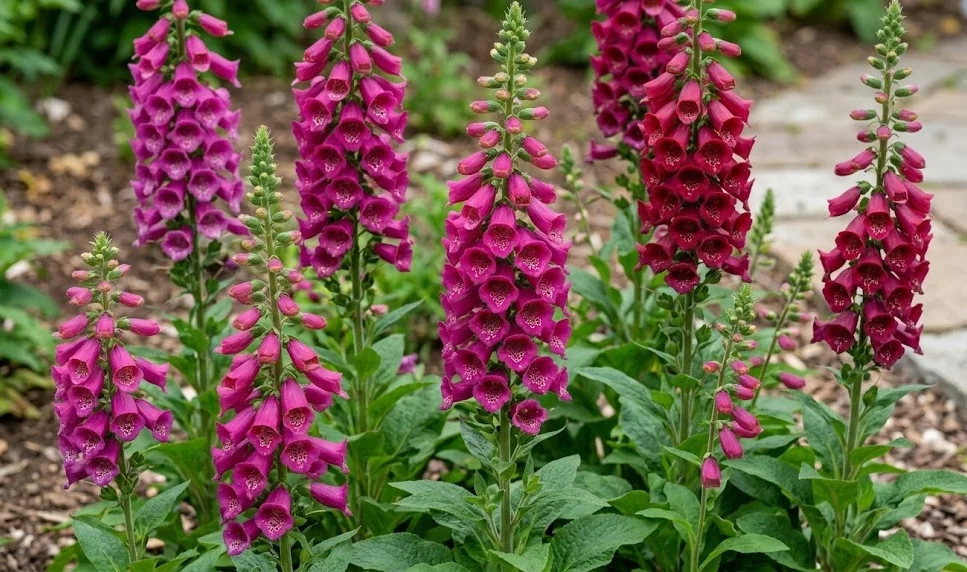

Maintaining the health of common foxglove involves a vigilant defense against a variety of pathogens and insect pests that can compromise its aesthetic and structural integrity. These plants, while robust in many ways, are susceptible to several specific issues that thrive in the same moist, shaded conditions the foxglove itself prefers. A professional gardener must be able to identify the early warning signs of distress and implement effective management strategies. Understanding the biology of these threats is the first step toward creating a resilient garden environment.
Fungal diseases are perhaps the most common challenge when growing foxgloves, particularly in climates with high humidity or frequent rainfall. Pathogens like powdery mildew and rust can quickly colonize the large leaves, reducing the plant’s ability to photosynthesize and damaging its visual appeal. If left unchecked, these infections can spread throughout a colony, weakening the plants before they have a chance to produce their second-year flowers. Prevention through proper spacing and site selection is always the most effective strategy.
Insect pests, ranging from microscopic aphids to large, hungry slugs, can also cause significant damage to the foliage and flower spikes. These pests are often attracted to the lush, succulent growth of the foxglove, especially in the spring and early summer. While the toxic nature of the plant protects it from many mammalian herbivores, insects have developed various ways to tolerate or bypass these chemical defenses. Integrated pest management, which combines cultural, biological, and occasionally chemical controls, is the best approach for long-term success.
Prevention and early intervention are the cornerstones of a successful plant health program in any horticultural setting. By the time a disease or pest infestation is highly visible, the damage to the plant’s vascular system or foliage may already be extensive. Regular scouting, where the gardener carefully examines the undersides of leaves and the centers of the rosettes, is an essential habit. Addressing a small problem today prevents it from becoming a catastrophic failure that ruins a whole season’s display of common foxglove.
Managing common fungal infections
Powdery mildew is a ubiquitous fungal issue that appears as a white, flour-like dusting on the upper surfaces of the foxglove leaves. It typically flourishes during periods of warm days and cool, damp nights, which are common in late summer and autumn. While it rarely kills the plant outright, it can significantly disfigure the foliage and reduce the overall vigor of the rosette. Improving air circulation around the plants and avoiding overhead watering are the primary cultural methods for reducing the impact of this fungus.
More articles on this topic
Leaf spot diseases, caused by various fungal pathogens, present as small, dark brown or black lesions that can eventually merge and cause the entire leaf to die. These spots often have a yellow halo and can be particularly troublesome during wet springs when the spores are easily splashed from leaf to leaf. Removing and destroying infected foliage as soon as it is noticed can help slow the spread of the disease. In severe cases, a preventative application of a sulfur-based fungicide may be necessary to protect the remaining healthy tissue.
Foxglove rust is another specific fungal challenge that manifests as bright orange or yellow pustules on the undersides of the leaves. This disease is particularly insidious because it can survive on the overwintering rosettes, ready to re-infect the new growth in the spring. If you notice rust in your garden, it is vital to clear away all fallen debris and consider planting your foxgloves in a different location for a few years. Maintaining high soil fertility and avoiding excessive nitrogen can also help the plants resist rust infections more effectively.
Crown rot is a devastating condition that often occurs when foxgloves are grown in heavy, poorly drained soil or planted too deeply. The base of the plant turns mushy and brown, and the entire rosette may eventually lift right off the ground because the roots have disintegrated. There is no cure for crown rot once it has taken hold, so the focus must remain entirely on prevention through excellent soil preparation. Ensuring that the crown is slightly above the soil line and never covered with wet mulch is the best way to keep this pathogen at bay.
Identifying and controlling insect pests
Aphids are small, sap-sucking insects that can cluster in massive numbers on the young flower spikes and the undersides of the leaves. Their feeding can cause the foliage to curl and distort, and they often excrete a sticky substance known as honeydew which encourages the growth of sooty mold. Encouraging natural predators like ladybugs and lacewings is an excellent biological way to keep aphid populations under control. For small infestations, a sharp blast of water from a garden hose can be enough to dislodge the pests and prevent serious damage.
More articles on this topic
Slugs and snails are notorious for their ability to decimate a young foxglove rosette in a single night, leaving behind large, ragged holes and silver slime trails. These pests are most active during damp weather and at night, hiding under mulch or stones during the heat of the day. Using organic slug pellets or beer traps can help reduce their numbers, as can maintaining a clean garden area free of unnecessary hiding spots. Some gardeners also find that copper tape or barriers of crushed eggshells can provide a physical deterrent to these hungry mollusks.
Spider mites are microscopic pests that can become a problem during hot, dry spells, causing the leaves to look speckled or bronzed. They spin tiny, almost invisible webs between the leaf veins and can quickly weaken a plant by draining its cellular fluids. Increasing the humidity around the plants and ensuring they are well-watered can help prevent spider mite outbreaks. If they do become established, an application of insecticidal soap or neem oil can be an effective and relatively safe way to manage the population.
Leaf miners are the larvae of certain flies that tunnel through the internal layers of the foxglove leaves, creating visible white or tan winding trails. While the damage is mostly aesthetic, a heavy infestation can reduce the plant’s photosynthetic capacity and make it look quite untidy. Because the larvae are protected inside the leaf tissue, they are difficult to reach with topical sprays. The most effective control is to simply pick off and destroy the affected leaves as soon as the mines are noticed, which breaks the life cycle of the insect.
Viral diseases and their symptoms
Viral infections in common foxglove are less common than fungal or insect problems, but they are often much more serious because they cannot be cured. Symptoms of a virus can include mottled or streaked leaves, stunted growth, and distorted flowers that may fail to open properly. Viruses are often spread from plant to plant by sap-suring insects like aphids, making pest control an important part of virus prevention. If you suspect a plant has a virus, the only responsible course of action is to remove it and destroy it immediately to protect the rest of your garden.
Mosaic virus is one specific type that can affect Digitalis, causing a characteristic pattern of light and dark green patches on the foliage. Infected plants often lack vigor and produce small, inferior flower spikes compared to their healthy neighbors. Because the virus can sometimes be carried on garden tools, it is important to disinfect your pruners with alcohol after working on any suspicious plants. Buying seeds and plants from reputable sources is the best way to ensure you are not introducing viral pathogens into your landscape.
Stunting and yellowing that does not respond to fertilization or improved watering can sometimes be a sign of a systemic viral infection. It is important to distinguish these symptoms from nutrient deficiencies, which usually have a more uniform appearance across the whole plant. If the yellowing is patchy or accompanied by unusual leaf shapes, a virus is a much more likely culprit. Maintaining a diverse garden with many different species can help reduce the rapid spread of specialized plant viruses.
The ethical disposal of virus-infected plants is a critical task for any professional or dedicated hobbyist gardener. These plants should never be placed in a home compost bin, as the heat generated is often not enough to kill the viral particles. Instead, they should be burned or placed in the household trash to ensure the pathogen is completely removed from the environment. By being ruthless in removing sick plants, you are ensuring the long-term health and beauty of your entire common foxglove collection.
Integrated pest management strategies
Integrated Pest Management (IPM) is a holistic approach that prioritizes long-term prevention and minimal environmental impact over quick-fix chemical solutions. It begins with selecting the right plant for the right place, ensuring the foxgloves are as healthy and resilient as possible from the start. A stressed plant is always more attractive to pests and more susceptible to disease than one that is thriving in its ideal conditions. By managing the soil, water, and light correctly, you have already completed the most important part of the IPM process.
Biological controls involve using nature’s own system of checks and balances to keep pest populations at a manageable level. This can include planting a variety of flowers to attract beneficial insects, providing bird houses, or even introducing specific predatory mites or nematodes. In a healthy, balanced garden, these natural enemies will do much of the work for you, reducing the need for human intervention. It is about creating an ecosystem where no single pest species can dominate and cause significant economic or aesthetic damage.
Cultural controls are the daily habits and maintenance tasks that make life difficult for pests and pathogens. This includes practices like rotating crops, cleaning up fallen leaves, and using sterilized potting soil for seed starting. For common foxglove, it also means being careful not to wound the plants during cultivation, as open wounds are entry points for many diseases. Simple changes in how you garden can have a profound effect on the overall health of your plants.
Chemical controls should be viewed as a last resort in an IPM program, used only when other methods have failed and the damage is exceeding an acceptable threshold. When chemicals are necessary, it is best to choose the least toxic option first, such as horticultural oils, soaps, or botanical extracts like neem. Always read the label carefully and apply the product at the correct time of day to minimize the impact on bees and other beneficial insects. This careful, measured approach ensures that your garden remains a safe and beautiful place for both plants and people.
Preventative measures and garden hygiene
The importance of good garden hygiene cannot be overstated when it comes to preventing the spread of diseases and pests among common foxgloves. At the end of every growing season, all spent flower stalks and dead leaves should be removed and disposed of properly. This material often harbors the spores of fungi and the eggs of insects that will otherwise overwinter and emerge to cause problems the following spring. A clean garden is a healthy garden, and this simple task is one of the most effective tools in your horticultural arsenal.
Disinfecting your garden tools regularly is another simple but powerful preventative measure that is often overlooked. Fungal spores and viral particles can easily be carried from a sick plant to a healthy one on the blades of your pruners or the tines of your fork. A quick dip in a solution of ten percent bleach or a wipe with isopropyl alcohol between plants can prevent a minor issue from becoming a garden-wide epidemic. This practice is particularly important when working with foxgloves, as their large leaves provide plenty of surface area for contamination.
Proper spacing and thinning of seedlings are critical for maintaining the airflow that prevents many fungal diseases from taking hold. When foxgloves are crowded, the humidity levels between the leaves can remain high even on sunny days, creating a perfect nursery for mold and rust. By being disciplined about giving each plant enough room, you are creating a microclimate that is hostile to pathogens. It also makes it much easier for you to see and address any problems that do arise before they get out of hand.
Finally, source your plants and seeds from reputable nurseries that prioritize plant health and disease resistance. Starting with high-quality, virus-free material gives you a significant head start and reduces the likelihood of introducing exotic pests into your garden. If you are sharing plants with friends, always inspect the rosettes carefully for any signs of trouble before bringing them into your own landscape. By combining these preventative measures with a watchful eye and a professional approach, you can enjoy the majestic beauty of common foxglove for many years.