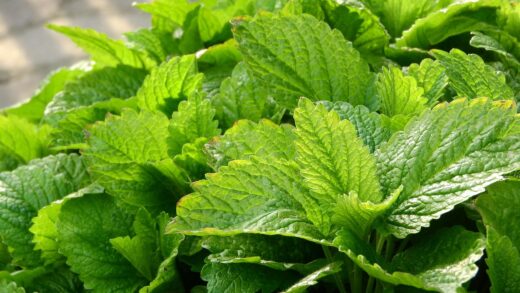
Diseases and pests of arugula


Arugula, like any garden vegetable, is susceptible to a range of diseases and pests that can impact its health and yield. While it is a relatively robust and fast-growing plant, which helps it to outgrow some minor issues, certain problems can quickly take hold and diminish the quality of the harvest. The most common adversaries include tiny, persistent insects like flea beetles and aphids, as well as fungal diseases such as downy mildew, which thrive in specific environmental conditions. A proactive and observant approach is the key to successful management. By learning to identify these common threats and understanding the principles of prevention and control, gardeners can protect their crop and ensure a healthy supply of peppery greens.
Prevention is always the most effective strategy when it- comes to managing pests and diseases in the garden. This begins with creating a healthy growing environment that naturally discourages problems from developing. Practices such as proper plant spacing to ensure good air circulation, watering at the base of the plant to keep foliage dry, and rotating crops annually are fundamental to disease prevention. A healthy, well-nourished plant growing in fertile soil is also inherently more resilient and better able to withstand pressure from pests and pathogens.
Regular monitoring of your arugula patch is crucial for early detection. Take the time to inspect your plants every few days, paying close attention to both the upper and lower surfaces of the leaves. Look for any signs of trouble, such as holes, discoloration, wilting, or the presence of insects or their eggs. Catching a problem in its initial stages makes it significantly easier to manage and control before it becomes a widespread infestation or infection that could threaten your entire crop.
When intervention is necessary, an integrated pest management (IPM) approach is recommended. This strategy prioritizes the use of physical, biological, and cultural controls before resorting to chemical treatments. For arugula, this might involve using row covers as a physical barrier, introducing beneficial insects to control pest populations, or simply removing affected leaves by hand. Should a spray be required, organic and least-toxic options should be the first choice to protect beneficial insects and maintain a healthy garden ecosystem.
Identifying common pests
Several common pests are known to target arugula, and early identification is key to effective control. Perhaps the most notorious pest of arugula is the flea beetle. These are small, shiny black or bronze insects that jump like fleas when disturbed. They chew numerous small, round holes in the leaves, creating a characteristic “shot-hole” appearance. While mature plants can often withstand minor damage, heavy infestations can skeletonize leaves and severely stunt or kill young seedlings, making them a significant threat to a newly planted crop.
More articles on this topic
Aphids are another frequent pest that can colonize arugula plants. These are small, pear-shaped, soft-bodied insects that can be green, black, or yellow, and they typically congregate in clusters on the undersides of leaves and on tender new growth. Aphids feed by piercing the plant tissue and sucking out the sap, which can cause leaves to curl, yellow, and become distorted. They also excrete a sticky substance called honeydew, which can lead to the growth of sooty mold, further stressing the plant.
Cabbage loopers and other caterpillar species can also cause significant damage to arugula. These pests are the larvae of moths and butterflies, which lay their eggs on the leaves. Once hatched, the caterpillars feed voraciously on the foliage, chewing large, irregular holes. A single caterpillar can consume a substantial amount of leaf material in a short time. Inspecting the undersides of leaves for tiny eggs or the caterpillars themselves is the best way to catch an infestation early.
Less common but still potential pests include slugs and snails, especially in damp, shady conditions. These mollusks feed at night and chew large, ragged holes in the leaves, leaving behind a tell-tale trail of slime. They often hide during the day under mulch, boards, or in other cool, moist locations. Regular garden cleanup and setting traps can help to manage their populations and protect your arugula from their nocturnal feeding.
Organic pest control methods
When dealing with pests on an edible crop like arugula, organic control methods are the preferred choice to ensure the leaves remain safe for consumption. For flea beetles, the most effective organic control is exclusion. From the day you plant your seeds, cover the bed with a floating row cover, securing the edges tightly to the ground. This lightweight fabric acts as a physical barrier, preventing the beetles from ever reaching the plants. This simple preventative measure is highly effective and eliminates the need for any sprays.
More articles on this topic
For aphid infestations, there are several organic options. A strong jet of water from a hose can be used to physically dislodge the aphids from the plants. This should be done in the morning to allow the leaves to dry. For more persistent infestations, an application of insecticidal soap can be very effective. These soaps work by disrupting the outer cell membrane of the soft-bodied insects but have a low impact on hard-bodied beneficial insects. Be sure to coat the undersides of the leaves where aphids tend to congregate.
Encouraging natural predators is a cornerstone of organic pest management. Ladybugs, lacewings, and hoverflies are all voracious predators of aphids and other small pests. You can attract these beneficial insects to your garden by planting a diversity of flowering plants, such as dill, fennel, yarrow, and alyssum. Providing a source of nectar and pollen will encourage these helpful predators to take up residence and help keep pest populations in check naturally.
For caterpillars like cabbage loopers, handpicking is a surprisingly effective method in a small garden setting. Regularly inspect your plants, especially the undersides of leaves, and simply pick off any caterpillars you find and drop them into a bucket of soapy water. Another effective organic control is Bacillus thuringiensis (Bt), a naturally occurring bacterium that is toxic to caterpillars but harmless to humans, pets, and other beneficial insects. Bt is available as a spray and should be applied when caterpillars are small and actively feeding.
Recognizing common fungal diseases
Arugula is susceptible to several fungal diseases, particularly when conditions are cool and damp. Downy mildew is one of the most common and can be quite destructive. The first signs of this disease are pale green or yellow spots appearing on the upper surfaces of the leaves. As the disease progresses, a fuzzy or downy grayish-purple mold will become visible on the undersides of the leaves, directly beneath the yellow spots. Eventually, the affected areas will turn brown and necrotic, and the leaves will be unusable.
Powdery mildew is another fungal issue that can affect arugula, though it is often less severe than downy mildew. This disease is easily recognizable by the white, powdery patches that appear on the leaves, stems, and sometimes flowers. It almost looks as though the plant has been dusted with flour. While it typically starts as small, discrete spots, it can spread to cover the entire leaf surface, which can interfere with photosynthesis and weaken the plant, although it rarely kills it outright.
White rust, caused by the fungus-like organism Albugo candida, is another disease that specifically targets brassica family plants, including arugula. The most obvious symptom is the formation of white, blister-like pustules on the undersides of the leaves. These pustules are raised and resemble a thick coat of white paint. The upper surface of the leaf, directly above the pustule, may show a pale yellow spot. In severe cases, stems and flowers can also become infected and distorted.
Damping-off is a soil-borne fungal disease that affects seedlings. It causes the young stems to rot at the soil line, leading the seedling to collapse and die suddenly. This disease is most prevalent in cool, overly wet soil with poor drainage and is often a problem when starting seeds indoors without proper air circulation. Prevention is the only effective measure, which involves using a sterile seed-starting mix and avoiding overwatering.
Disease prevention and treatment
Preventing fungal diseases is far more effective than trying to treat them after they have taken hold. The most important preventative strategy is to manage moisture. Water arugula in the morning and at the base of the plant to keep the leaves as dry as possible. Ensure proper spacing between plants, thinning them to the recommended distance to promote good air circulation, which allows foliage to dry more quickly after rain or watering. This reduces the humid, stagnant conditions that fungal spores need to germinate and spread.
Crop rotation is another fundamental practice for disease prevention. Fungal spores can survive in the soil and on plant debris over the winter. Avoid planting arugula or any other brassica family crops in the same location for at least two to three years. This breaks the life cycle of soil-borne pathogens, preventing them from building up to damaging levels in a particular garden bed. At the end of the season, be sure to clean up and remove all plant debris to reduce the amount of fungal inoculum that can overwinter.
If you have had issues with fungal diseases in the past, consider planting disease-resistant varieties of arugula if they are available. Plant breeders are continually working to develop cultivars with improved resistance to common problems like downy mildew. While not a complete guarantee, choosing a resistant variety can give your plants a significant advantage. Maintaining optimal plant health through good nutrition and proper watering also enhances their natural ability to fight off diseases.
If a fungal disease does appear, prompt action can help to limit its spread. At the first sign of infection, carefully remove and destroy the affected leaves or entire plants if the infection is severe. Do not add diseased plant material to your compost pile, as this can perpetuate the problem. For persistent issues with powdery mildew or downy mildew, organic fungicides based on copper or sulfur can be effective, but they must be applied as a preventative or at the very first sign of disease. Always follow the label instructions carefully.
Integrated pest management strategies
Integrated Pest Management (IPM) is a holistic and sustainable approach to managing pests and diseases in the garden. It emphasizes understanding the life cycles of pests and their interaction with the environment to determine the most effective, low-risk management methods. For arugula, an IPM strategy begins with prevention and cultural controls. This includes selecting a suitable planting site, preparing fertile soil, choosing resistant varieties, and practicing crop rotation to create a foundation of health and resilience.
A key component of IPM is regular monitoring and scouting. This involves routinely inspecting your arugula plants for any signs of trouble. By identifying pests or disease symptoms early, you can often intervene with simple, mechanical controls before the problem escalates. This could be as simple as hand-picking caterpillars, washing aphids off with a jet of water, or pruning out leaves that show the first signs of downy mildew. These low-impact actions are often sufficient to keep problems under control in a home garden.
IPM also promotes the use of biological controls, which involves leveraging the natural enemies of pests. By creating a garden environment that is hospitable to beneficial insects like ladybugs, lacewings, and predatory wasps, you can establish a natural system of pest control. This is achieved by planting a variety of flowering herbs and flowers that provide nectar and pollen for these allies. Avoiding the use of broad-spectrum chemical pesticides is crucial, as these will harm the beneficial insect populations you are trying to encourage.
When pest or disease pressure exceeds an acceptable threshold and other methods have not been sufficient, IPM allows for the judicious use of targeted, low-toxicity pesticides. For arugula, this would mean selecting an organic-approved product, such as insecticidal soap for aphids or Bt for caterpillars, that has a minimal impact on the wider garden ecosystem. The goal is not to eliminate every single pest but to manage their populations to a level where they do not cause significant damage, all while maintaining a healthy and balanced garden environment.
📷 Flickr / Szerző: Maja Dumat / Licence: CC BY 2.0