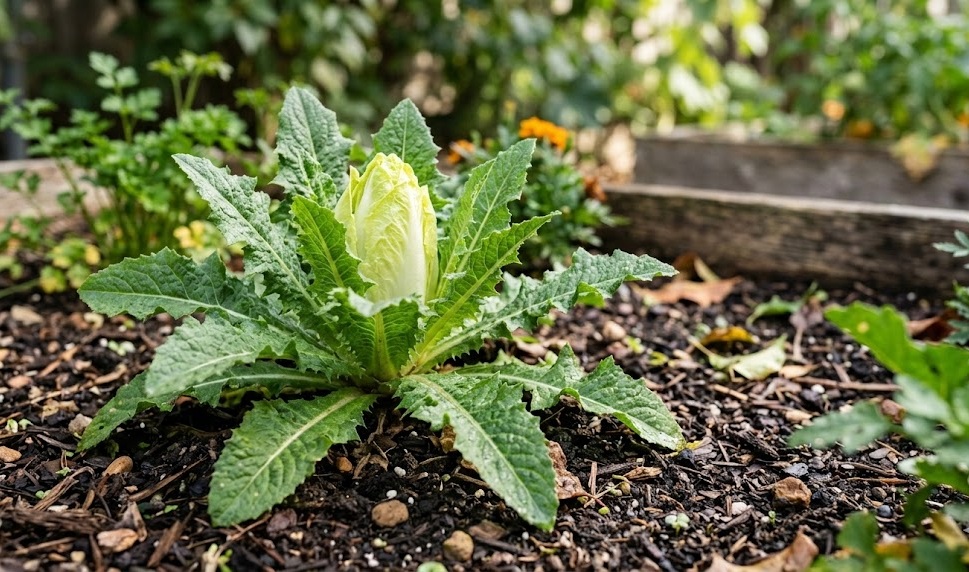

Maintaining a thriving crop of chicory requires a nuanced understanding of its specific biological needs throughout the growing season. This plant is valued for its bitter greens and sturdy roots, both of which depend on consistent care and attention to detail. Achieving a high-quality harvest is not merely about luck but rather the result of a disciplined approach to cultivation. By following professional standards, any grower can ensure that their plants remain healthy and productive from seedling to maturity.
The structural integrity of the plant is heavily influenced by how the grower manages the surrounding environment during the early stages of development. It is crucial to monitor the progress of the young leaves to ensure they are not becoming too leggy or weakened by external stressors. Professional gardeners often emphasize that the foundation of a good crop is laid in the first few weeks after germination. Taking the time to observe the subtle changes in the foliage can prevent many common issues before they become systemic problems.
Soil moisture levels must be kept within a specific range to prevent the roots from becoming woody or overly bitter. While the plant is relatively hardy, it does not respond well to extreme fluctuations in hydration, which can lead to stunted growth. A consistent schedule of observation allows for adjustments based on the prevailing weather conditions and the specific needs of the soil type. Expert cultivators suggest that a tactile assessment of the soil at a depth of several centimeters is the most reliable way to gauge the current status.
General maintenance also involves a clear understanding of the plant’s life cycle and the timing of its various developmental milestones. Knowing when to step back and let the plant grow naturally versus when to intervene with specific care techniques is a hallmark of an experienced agriculturalist. Each phase of growth offers unique challenges that require a tailored response to ensure the best possible outcome. Ultimately, the goal is to create a balanced ecosystem where the chicory can flourish without constant emergency interventions.
Fundamental environmental requirements
The atmosphere surrounding the chicory bed plays a vital role in determining the rate of photosynthesis and the overall vitality of the crop. Ideal conditions typically include a temperate climate where the extremes of heat and cold are mitigated by proper site selection. Air circulation is often overlooked, yet it is essential for preventing the buildup of humidity that can encourage various pathogens. A professional grower always considers the local microclimate when planning the layout of the garden to maximize the natural advantages of the site.
More articles on this topic
Temperature regulation within the garden can be achieved through various methods, including the use of mulch or protective covers during unexpected weather shifts. Chicory is known for its ability to withstand cooler temperatures, but sudden drops can still cause significant stress to the vascular system of the plant. Maintaining a stable environment encourages the plant to allocate its energy toward leaf production and root thickening rather than survival. Professional standards dictate that the ambient temperature should be monitored closely, especially during the transition between seasons.
Soil temperature is another critical factor that influences the microbial activity and nutrient availability for the roots. When the ground is too cold, the biological processes slow down, leading to a visible lag in the plant’s growth rate. Conversely, excessive heat can cause the soil to dry out rapidly, which stresses the delicate root hairs responsible for water uptake. Ensuring that the root zone remains within a favorable temperature range is a primary task for any serious horticulturalist.
Wind protection is often necessary in exposed locations to prevent physical damage to the broad leaves of the chicory plant. High winds can increase the rate of transpiration, leading to rapid dehydration even if the soil appears moist. Strategic planting or the installation of temporary windbreaks can provide the necessary shelter without compromising the flow of fresh air. By addressing these environmental factors, you create a stable platform for the chicory to reach its full genetic potential.
Soil health and structural management
The composition of the soil serves as the primary reservoir for the nutrients and water that chicory needs to thrive. A well-structured soil with a balance of sand, silt, and clay provides the necessary aeration for root respiration while retaining sufficient moisture. Professional growers often conduct regular soil tests to determine the precise chemical makeup and physical properties of their plots. This data-driven approach allows for precise amendments that target specific deficiencies rather than relying on generalized applications.
More articles on this topic
Organic matter plays a transformative role in improving the texture and fertility of the ground where chicory is grown. Incorporating well-rotted compost or manure enhances the soil’s ability to hold onto ions that are essential for plant metabolism. This process also supports a diverse community of beneficial microorganisms that work in tandem with the plant roots to facilitate nutrient exchange. Over time, the consistent addition of organic material builds a resilient soil structure that can withstand various environmental pressures.
Drainage is a non-negotiable aspect of soil management, as waterlogged conditions can quickly lead to root rot and other anaerobic issues. If the soil is naturally heavy or prone to compaction, the use of raised beds or deep tilling can help alleviate these problems. Chicory roots need space to penetrate deep into the earth, which is only possible if the soil density is kept within an optimal range. Expert cultivators often avoid walking on the planting beds to prevent artificial compaction that could restrict root expansion.
The pH level of the soil significantly impacts the availability of micronutrients like iron, manganese, and boron. Chicory generally prefers a slightly acidic to neutral range, where most essential elements are easily accessible for uptake. If the soil becomes too alkaline or overly acidic, the plant may exhibit signs of chlorosis or stunted growth despite the presence of nutrients. Regular monitoring and the careful application of lime or sulfur can keep the pH levels within the ideal window for maximum productivity.
Management of weeds and competition
Weed control is a continuous task that requires diligence to ensure the chicory plants do not have to compete for limited resources. Invasive species can quickly overshadow young seedlings, robbing them of the sunlight and nutrients they need for early development. A professional approach involves early identification and removal of weeds before they have a chance to set seed and multiply. Consistency is key, as even a short period of neglect can lead to a significant infestation that is difficult to manage later.
Mulching is an effective strategy for suppressing weed growth while simultaneously conserving soil moisture. Organic mulches, such as straw or shredded leaves, provide a physical barrier that prevents weed seeds from germinating. As these materials decompose, they also contribute to the long-term fertility of the soil, making them a dual-purpose tool for the gardener. Careful application around the base of the chicory ensures that the mulch does not directly touch the stems, which could cause moisture-related issues.
Mechanical cultivation can be used between the rows to disrupt the growth cycles of unwanted plants without damaging the chicory. This technique requires a steady hand and the right tools to ensure that the shallow roots of the crop are not disturbed during the process. When done correctly, shallow hoeing can keep the soil surface loose and free of competing vegetation. Many experts recommend performing this task during the heat of the day when uprooted weeds will quickly wither and die in the sun.
Biological competition can also come from within the crop itself if the plants are spaced too closely together. Thinning the seedlings is a necessary step to ensure that each individual chicory has enough room to expand its canopy and root system. This process allows for better air circulation and reduces the risk of disease transmission between adjacent plants. Professional horticulturalists view thinning not as a loss of potential yield but as an investment in the quality of the remaining harvest.
Monitoring growth and development
Regular observation is the most powerful tool in a gardener’s arsenal when it comes to maintaining a healthy chicory crop. By spending time in the garden daily, you can identify the subtle shifts in color or leaf posture that signal the need for intervention. Professional cultivators often keep a detailed log of their observations, tracking the growth rate and any unusual occurrences throughout the season. This historical data becomes an invaluable resource for making informed decisions in subsequent years.
The development of the central heart of the chicory is a key indicator of the plant’s overall maturity and health. If the heart appears tight and vibrant, it suggests that the plant is receiving adequate nutrition and water. Conversely, a loose or discolored center can be a sign of environmental stress or nutrient imbalances that need to be addressed immediately. Understanding the typical morphology of the variety you are growing allows you to distinguish between normal variation and genuine problems.
Leaf health is a primary indicator of the plant’s internal physiological state and its ability to produce energy through photosynthesis. Any signs of spotting, wilting, or unusual yellowing should be investigated to determine the underlying cause. Often, these symptoms are the result of minor environmental shifts, but they can also herald the arrival of pests or diseases. A proactive approach to leaf management ensures that the plant remains vigorous and capable of supporting a substantial root system.
Root development is more difficult to monitor since it occurs underground, but there are indirect signs that can provide insight. The overall stability of the plant in the soil and the thickness of the base of the stem can give clues about the progress of the roots below. In some cases, professional growers may carefully excavate a single representative plant to assess the root health of the entire plot. This direct evidence allows for a more accurate assessment of the crop’s readiness for harvest or further care.
Handling seasonal changes and transitions
As the seasons shift, the care requirements for chicory must be adjusted to account for changes in day length and temperature. The transition from the vigorous growth of spring into the heat of summer requires a focus on moisture conservation and heat protection. Professional gardeners often use shade cloths or strategic intercropping to keep the chicory plants cool during the peak afternoon sun. Adapting your routine to these changes ensures that the plants do not enter a state of dormancy or premature bolting.
The onset of autumn brings a different set of challenges, including shorter days and the potential for early frosts. Chicory is remarkably resilient to cold, and many varieties actually improve in flavor after a light frost as the starches convert to sugars. During this time, the focus shifts toward protecting the plants from excessive rain and ensuring that the soil remains well-drained. Monitoring the weather forecast becomes a daily necessity to prepare for any sudden shifts that could impact the final stages of growth.
Winter care depends largely on whether the chicory is being grown for its leaves or for forced roots. If the goal is to overwinter the plants in the ground, additional mulching and protective covers may be required to prevent the soil from freezing solid. For those focusing on forced chicory, the transition involves carefully lifting the roots and preparing them for their indoor growth phase. Each path requires a specific set of skills and a deep understanding of the plant’s physiological response to the cold.
Spring marks the beginning of a new cycle, even for plants that have been overwintered in the garden. As the ground warms, the metabolic activity of the chicory increases, requiring a renewed focus on nutrient availability and weed management. This is also the time to assess the survival rate of the crop and decide whether additional plantings are necessary to meet production goals. A successful transition through all four seasons is the ultimate test of a grower’s skill and dedication.
Tools and harvesting precision
Using the correct tools is essential for maintaining the health of the chicory plants and ensuring a clean harvest. Sharp, sterilized knives and shears prevent the tearing of tissues, which can become entry points for pathogens. Professional agriculturalists invest in high-quality equipment and maintain it meticulously to ensure peak performance throughout the year. The choice of tool often depends on the specific task, whether it is light pruning or the heavy lifting of mature roots.
The timing of the harvest is a critical decision that directly impacts the flavor and texture of the final product. Harvesting too early may result in underdeveloped roots and small leaves, while waiting too long can lead to excessive bitterness and a tough texture. Experts use a combination of visual cues, tactile feedback, and knowledge of the variety’s specific maturation period to determine the optimal moment. This precision ensures that the harvest meets the high standards expected for both culinary use and further processing.
Post-harvest handling is just as important as the growth phase in maintaining the quality of the chicory. Once removed from the soil, the plants begin to lose moisture and nutrients rapidly if not stored correctly. Professional standards involve immediate cooling and protection from direct light to preserve the crispness of the leaves and the integrity of the roots. Proper cleaning techniques are also essential to remove soil and debris without damaging the delicate outer layers of the plant.
Long-term storage solutions, such as root cellars or climate-controlled environments, allow for the extension of the harvest well into the winter months. Maintaining the correct balance of humidity and temperature is vital to prevent spoilage and maintain the nutritional value of the crop. A successful harvest is not the end of the journey but rather the transition to the storage and utilization phase. By applying professional care standards at every step, you ensure that your chicory remains a valuable and high-quality resource.