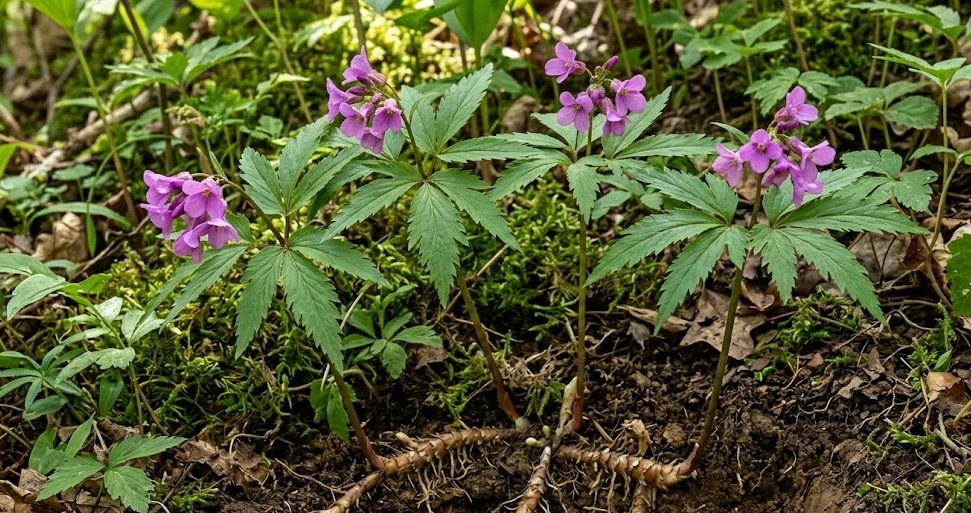

Understanding the light preferences of woodland species is essential for creating a successful and authentic forest garden. The glandular bittercress is specifically adapted to the unique light conditions found on the floors of deciduous forests in early spring. To thrive, it needs a precise balance of bright, unfiltered light during its growth phase and deep shade during its summer dormancy. This professional guide will help you manage the light levels in your garden to perfectly match the needs of this specialized plant.
The most important thing to remember is that this plant is a spring ephemeron, meaning its entire active life cycle is timed to take advantage of the sun before the trees grow their leaves. In the wild, it receives full sun for only a few weeks in March and April, which provides the energy needed for its rapid flowering. You should place your plants in a location that receives this early spring brightness, such as under the drip line of large, leafless trees. This window of light is the most critical factor for the plant’s health and its ability to spread.
Once the tree canopy fully expands in late May or June, the bittercress requires the cooling protection of deep shade. The intense summer sun can quickly dry out the soil and overheat the dormant rhizomes if they are not properly shielded. You should ensure that your chosen planting site will be heavily shaded by the time the summer heat arrives. This transition from bright light to deep shade mimics the natural rhythm of the forest and is vital for the plant’s survival.
You should avoid planting the glandular bittercress in areas that receive permanent, year-round shade, such as on the north side of a dense evergreen hedge. While it is a shade-loving plant, it still needs that early season sun to produce the sugars it needs for growth. Without enough spring light, the plants will become weak, leggy, and may eventually fail to flower or even disappear entirely. Finding the right balance of seasonal light is the mark of a professional approach to woodland gardening.
Optimal light intensity
The intensity of the light is just as important as the duration when you are managing your bittercress colony. During the spring, the light should be bright but not necessarily harsh, as the early season sun is naturally lower in the sky and less intense than in summer. You should look for a spot that receives dappled sunlight, where the rays are filtered through the bare branches of the overhanging trees. This soft, bright light is perfect for the delicate purple flowers and the thin, green leaves.
More articles on this topic
If your garden lacks large deciduous trees, you can create a similar light environment using other structures or plants. For example, planting on the east side of a house provides bright morning light while offering protection from the hotter afternoon sun. You can also use trellis work or taller, late-leafing shrubs to provide the necessary shade transitions. The goal is to avoid the extremes of full, all-day sun and total, dark shade during the active growing season.
You should also consider the reflective qualities of the surrounding environment, which can increase the light intensity in unexpected ways. Light-colored walls or fences can bounce extra sunlight onto the plants, which might be helpful in a very dark garden but harmful in a bright one. You should observe the light patterns in your chosen spot at different times of the day throughout the spring. This careful observation allows you to make adjustments, such as adding a temporary screen if the light becomes too intense.
Professional gardeners often use “light meters” or simple photography to track the changing light levels in their landscapes over the course of a season. You can do the same by taking a few photos of your bittercress bed every two weeks from February through June. These visual records will help you understand exactly when the light changes and how your plants are responding to those shifts. Mastering the management of light intensity is a key skill for any serious horticulturist.
Canopy shade management
Because the bittercress is so dependent on the trees above it, managing the canopy is a central part of its long-term care. You should periodically assess the density of the trees in your garden and consider if any pruning or thinning is needed to maintain the right light levels. Removing a few lower branches or thinning out a crowded canopy can significantly increase the amount of spring light that reaches the forest floor. This task, often called “crown lifting,” is a professional technique for improving the health of understory plants.
More articles on this topic
You should also be aware of the type of trees you have and how their leafing patterns affect the light. Some trees, like maples or birches, leaf out relatively early, which might cut the bittercress’s light season shorter than desired. Other trees, like oaks or walnuts, are much slower to develop their leaves, providing a longer period of bright spring sun. Knowing the habits of your canopy trees allows you to choose the best varieties of bittercress or other woodland plants for your specific site.
If you find that the shade has become too dense over several years as the trees grow, you may notice the bittercress starting to decline. The plants may produce fewer flowers, and the colony might stop spreading or even begin to shrink. This is a clear signal from the plants that they need more light, and you should take action to open up the canopy. Regular, light maintenance of your trees is much better for the entire garden than infrequent, drastic pruning.
In a smaller garden without large trees, you can use “mimicry” plants like tall perennial grasses or large-leaved hostas to provide seasonal shade. These plants grow rapidly in the late spring, casting shade over the bittercress just as it is entering its dormant phase. This layered planting strategy is a creative way to provide the necessary light transitions in a limited space. Your role as a professional gardener is to manage these layers to ensure every plant gets exactly what it needs.
Adjusting light for domestic gardens
Domestic gardens often have more complex light patterns than natural forests due to buildings, fences, and a wider variety of plant species. You should be prepared to adapt your bittercress care to these unique urban and suburban conditions. If a new structure is built nearby that changes the light in your garden, you may need to move your plants to a more suitable location. Flexibility and responsiveness are important traits for any gardener working in an evolving landscape.
You can also use containers to manage the light levels for your bittercress if your garden doesn’t have a perfect natural spot. Pots can be moved from a sunny patio in early spring to a shaded corner under a shrub as the season progresses. This “mobile gardening” allows you to provide the absolute best light conditions for the plants at every stage of their life cycle. It’s an excellent way for beginners or those with small gardens to gain experience with the plant’s specific needs.
Photoperiodism, or the plant’s response to the length of the day, also plays a role in when the bittercress flowers and goes dormant. You will find that the plant is very consistent in its timing, triggered by the increasing day length in late winter. Even if the spring is unusually cold, the plants will often emerge right on schedule because they are following the light, not just the temperature. This reliability is one of the things that makes the bittercress such a valuable part of the early spring garden.
By paying close attention to the light in your garden, you are honoring the ancient connection between the sun and the forest floor. Your professional dedication to managing these levels ensures that the glandular bittercress will continue to grace your garden with its presence year after year. The dance of light and shadow is the heartbeat of the woodland garden, and you are its conductor. Enjoy the beautiful results of your careful and informed management.