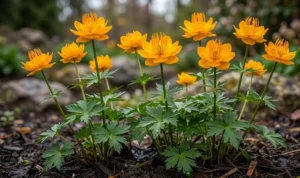
Snowdrops represent the earliest awakening of the garden landscape after the cold grip of winter begins to loosen. These hardy perennial bulbs rely on a specific biological clock that triggers growth as soon as soil temperatures rise slightly above freezing. Understanding this lifecycle is fundamental for any gardener who wishes to cultivate a thriving and healthy collection of these spring heralds. By providing the right conditions during their active phase, you ensure the bulb stores enough nutrients for the following year.
The active growing season for these plants is relatively short, lasting only from late winter until the canopy of trees overhead closes. During this period, the foliage must remain healthy to perform photosynthesis and replenish the bulb’s energy reserves underground. Once the flowers fade and the leaves turn yellow, the plant enters a long period of dormancy that lasts throughout the summer and autumn. Navigating this transition correctly is the key to maintaining a permanent and expanding colony in your woodland garden or borders.
Environmental factors such as temperature fluctuations and soil moisture play a significant role in how well these flowers perform each season. They are remarkably adapted to cold climates and can even withstand being buried under a fresh layer of late-season snow without damage. However, extreme heat or prolonged drought during their dormant stage can lead to bulb desiccation and a lack of blooms in the following spring. Successful care involves mimicking their natural forest floor habitat where conditions remain relatively stable and cool.
For those looking to establish a professional-grade display, it is important to observe the specific needs of the plants in your local microclimate. While they are generally low-maintenance, a proactive approach to soil health and site selection pays dividends in the form of denser flower carpets. Observing how the plants interact with neighboring species will help you create a balanced ecosystem that supports their longevity. Consistent monitoring throughout the early spring months allows you to address any issues before they impact the overall health of the bulbs.
Ideal soil conditions and site preparation
The foundation of successful snowdrop cultivation lies in the quality and structure of the soil where the bulbs are settled. These plants thrive in soil that is rich in organic matter and mimics the humus-heavy floor of a deciduous woodland. Achieving a crumbly, friable texture is essential for allowing the delicate roots to penetrate deeply and establish a firm foothold. If your garden soil is naturally heavy clay, incorporating leaf mold or well-rotted compost is a necessary step to improve aeration.
More articles on this topic
Proper drainage is perhaps the most critical factor when preparing a site for these early bloomers. While they enjoy consistent moisture during their growing phase, they cannot tolerate sitting in waterlogged soil which leads to bulb rot. You should look for a location that sheds excess water quickly during heavy spring rains or snowmelt events. Elevating the planting area or adding grit to the bottom of planting holes can provide the necessary safety margin for bulb health.
Soil pH also influences the long-term success of your snowdrop patches, as they generally prefer a neutral to slightly alkaline environment. In highly acidic soils, the availability of certain nutrients may be restricted, which can result in stunted growth or fewer flowers over time. It is a good practice to test your soil and apply a light dressing of garden lime if the acidity is too high for optimal growth. Maintaining a stable chemical balance in the soil creates the perfect environment for naturalizing these bulbs.
Preparation should ideally begin several weeks before you intend to introduce the plants to the ground. Clearing the area of aggressive perennial weeds ensures that the snowdrops do not have to compete for limited nutrients and space. Incorporating organic amendments early allows them to integrate with the existing soil biology before the bulbs start their active root development. A well-prepared bed provides a stress-free start for the bulbs, ensuring they can focus all their energy on leaf and flower production.
Managing moisture levels through the seasons
Water management is a nuanced aspect of caring for these bulbs because their needs change drastically as they transition through their stages. During the late winter and early spring, the soil should remain consistently moist to support the rapid development of leaves and stems. Natural precipitation usually provides enough hydration, but in dry springs, supplemental watering may be required to keep the display looking its best. The goal is to avoid any period where the plants show signs of wilting due to dry root zones.
More articles on this topic
As the flowers begin to fade and the seeds start to set, the plant still requires moisture to complete its nutrient storage cycle. This is the time when the foliage is working hardest to feed the bulb for the next year’s performance. Reducing water too early can cause the leaves to die back prematurely, which significantly weakens the bulb’s overall vigor. You should monitor the soil moisture closely during this critical window to ensure the foliage stays green for as long as possible.
Once the foliage has completely died back and the bulbs enter dormancy, the watering strategy must shift toward moderation. While the bulbs should not sit in a swamp, they also should not be allowed to dry out completely like desert plants. A certain level of residual moisture in the soil helps keep the bulbs plump and viable during the hot summer months. Areas under deciduous trees often provide the perfect balance by sheltering the soil from the most intense summer sun.
Mulching is an effective professional technique for regulating soil moisture and protecting the bulbs from temperature extremes. A thin layer of bark chips or leaf mold applied in the autumn can help retain moisture and suppress weed growth simultaneously. This layer also prevents the soil from compacting during heavy winter rains, which maintains the oxygen levels necessary for healthy root respiration. Using natural materials ensures that as the mulch breaks down, it continues to feed the soil and improve its structure.
The importance of leaf health and photosynthesis
The green leaves of a snowdrop are its primary engine for survival and future reproductive success. Many gardeners make the mistake of cutting back the foliage too early for aesthetic reasons, which deprives the bulb of essential carbohydrates. The leaves must be allowed to turn yellow and wither naturally to ensure that all energy is transferred back into the underground storage organs. This process is the only way the plant can survive the long months of summer and autumn dormancy.
Protecting the foliage from physical damage is also important, especially in high-traffic areas of the garden or when working nearby. Crushed or broken leaves cannot perform photosynthesis efficiently, which can lead to smaller bulbs and fewer flowers in subsequent seasons. It is wise to mark the areas where snowdrops are planted to avoid stepping on them during the early spring. Providing a clear boundary with stones or low fencing can help protect these delicate green shoots from accidental harm.
Photosynthesis is most efficient when the leaves have access to bright but filtered light before the overhead trees fully leaf out. This timing is why snowdrops have adapted to bloom so early, taking advantage of the high light levels on the forest floor. If the plants are grown in too much shade during their active phase, they may become leggy and weak. Ensuring they have a clear view of the sky during February and March is essential for robust energy production.
In professional garden management, the health of the foliage serves as an indicator of the overall well-ability of the colony. Dark green, sturdy leaves suggest that the soil nutrients and moisture levels are optimal for the species. Conversely, pale or streaked foliage may indicate nutrient deficiencies or the presence of viral infections that need attention. By paying close attention to the leaves, you can make informed decisions about fertilization and soil management for the coming years.
Companion planting and garden design
Integrating snowdrops into a larger garden design requires careful thought about how they will interact with other plants throughout the year. They are most effective when planted in large drifts that mimic their natural occurrence in the wild. Pairing them with other early bloomers like winter aconites or crocuses can create a vibrant tapestry of color during the dullest months. These combinations provide early nectar for pollinators that emerge on warmer winter days.
Because snowdrops disappear entirely during the summer, they should be planted alongside perennials that will fill the void left by their dormancy. Hostas, ferns, and hardy geraniums are excellent companions because their foliage expands just as the snowdrops are fading away. This “masking” technique ensures that the garden remains attractive and that the dormant bulbs are not accidentally dug up. The roots of these companion plants also help manage soil moisture levels during the summer months.
Designing with snowdrops also involves considering the vertical layers of the garden. They are particularly well-suited for planting under the drip line of deciduous shrubs or large trees where few other things grow. The lack of competition in these areas allows the snowdrops to naturalize and spread into impressive colonies over several decades. The structural beauty of the white flowers is often best appreciated when viewed against a dark backdrop of evergreen foliage or mulch.
Using snowdrops in containers is another professional approach for highlighting their delicate features in smaller spaces. They can be forced gently to bloom slightly earlier for displays on patios or near entryways where they can be seen up close. When the container display is finished, the bulbs can be transplanted directly into the garden to continue their natural cycle. This versatility makes them a favorite for designers who want to bring life to every corner of a property in late winter.
Naturalizing and expanding your collection
Naturalization is the process where snowdrops spread on their own to create a self-sustaining and expanding population in the garden. This is best achieved by leaving the plants undisturbed for several years so they can form dense clumps and set seed. While they can spread through self-seeding, the most common way they expand is through the production of small offset bulbs. Over time, these offsets grow into mature flowering bulbs, gradually increasing the size of the original patch.
To encourage faster naturalization, you can intervene by dividing large, established clumps every few years. This practice, often done “in the green” right after flowering, helps reduce competition within the clump and stimulates new growth. By spreading the divided bulbs to new areas of the garden, you can accelerate the creation of the desired carpet-like effect. This manual distribution ensures that the plants reach parts of the garden they might not colonize on their own.
Monitoring the density of your snowdrop patches is a task for the observant gardener. When clumps become too crowded, the individual flowers may become smaller, and the overall vigor of the patch might decline. Thinning them out and replanting the excess bulbs elsewhere revitalizes the original colony and expands your collection for free. This cyclical management is the secret to those legendary drifts of white seen in historical estate gardens.
Patience is a necessary virtue when waiting for a newly planted area to reach its full naturalized potential. It can take several seasons for the bulbs to settle in and begin reproducing at a noticeable rate. Avoiding the use of harsh chemicals or heavy machinery in these areas protects the delicate soil structure and the developing bulblets. With consistent care and a light touch, your garden will eventually become a sanctuary for these iconic winter flowers.
Long-term maintenance and seasonal records
Keeping records of your snowdrop collection is a professional habit that helps you track the performance of different varieties and locations. Noting the dates of the first bloom and the duration of the flowering period provides valuable data for future planning. These records can help you identify which areas of the garden are most favorable for the plants and which might need soil improvement. Over the years, this information becomes a roadmap for maintaining the health of your botanical investment.
Annual maintenance tasks should include a gentle cleaning of the planting areas once the snowdrops have gone dormant. Removing any fallen debris that is too thick can prevent the soil from becoming overly compacted or moldy. However, a light layer of leaf litter should be left in place to continue the natural cycle of nutrient recycling. This balance ensures the site remains tidy while still supporting the biological needs of the underground bulbs.
Fertilization should be handled with a focus on long-term soil health rather than quick growth spurts. Applying a thin layer of well-aged organic matter in the late autumn prepares the ground for the upcoming growing season. This slow-release approach provides a steady supply of nutrients as the roots begin to stir in the cold soil. Avoiding high-nitrogen fertilizers is important, as they can encourage excessive leaf growth at the expense of flower production.
Finally, staying informed about new cultivars and best practices in the gardening community can enhance your enjoyment of these plants. Snowdrop enthusiasts, often called galanthophiles, have developed a wealth of knowledge regarding the nuances of different species. Engaging with this community can provide inspiration for new ways to display and care for your snowdrops. Constant learning and observation ensure that your garden remains a vibrant and healthy environment for these beloved winter treasures.