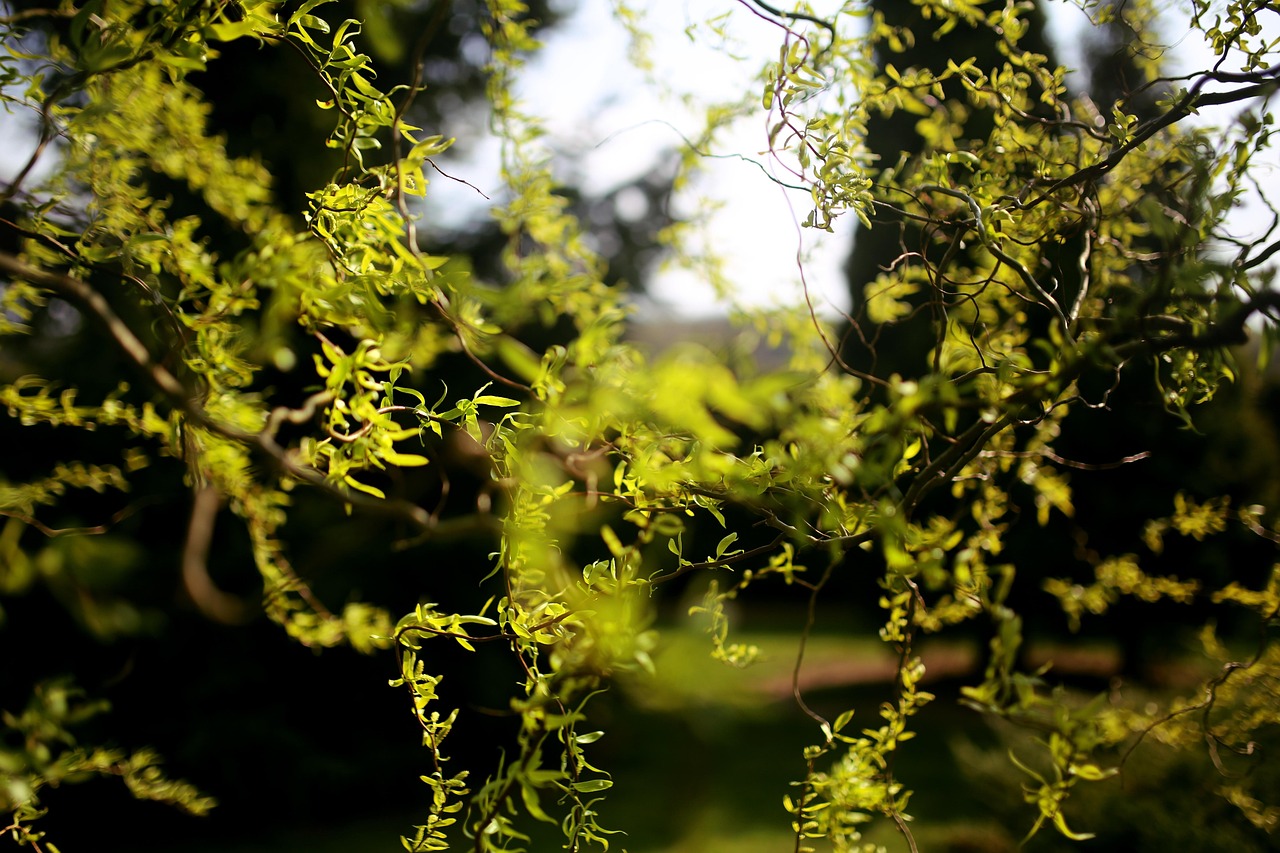

Protecting your corkscrew willow from the various threats of the natural world is a vital part of being a responsible gardener. You will find that while these trees are generally hardy, they are susceptible to a specific range of pests and diseases that can mar their beauty. It is essential to learn how to identify the early warning signs of trouble before an infestation or infection takes hold. By maintaining a proactive stance on tree health, you can ensure that your willow remains a strong and vibrant part of your landscape.
Understanding the signs of stress in your tree is the first step toward effective pest and disease management. When a willow is unhappy, it often signals its distress through changes in leaf color, shape, or density. You might notice leaves that are unusually spotted, curled in an unnatural way, or being eaten from the edges inward. Taking these signals seriously allows you to investigate the cause and find a solution before the tree’s overall vigor is compromised.
The unique structure of the corkscrew willow, with its many nooks and crannies, provides a perfect hiding place for small intruders. You should regularly inspect the crevices of the twisted branches and the undersides of the leaves for any signs of unwanted guests. Pests like aphids or scale insects can be difficult to see at first glance but leave behind telltale signs like sticky honeydew. A magnifying glass can be a useful tool for catching these tiny threats before they multiply into a major problem.
Fungal diseases are another common concern for willow owners, especially in humid or particularly wet climates. These pathogens often thrive in stagnant air and on foliage that remains wet for long periods of the day. You should watch for powdery coatings, dark lesions, or strange growths on the bark and leaves throughout the growing season. Early detection of fungal issues is crucial because they can spread rapidly through the canopy if left unchecked.
Identifying common insect pests and their impact
Aphids are perhaps the most frequent visitors to the tender new growth of a willow in the spring. These small, soft-bodied insects suck the life-giving sap from the leaves, causing them to yellow and deform. While a small number of aphids won’t kill a mature tree, a large population can significantly stunt the growth of younger specimens. You can often see them clustered together on the tips of the branches, accompanied by ants that feed on their sweet secretions.
More articles on this topic
Willow leaf beetles are another significant threat that can cause widespread damage in a short amount of time. Both the larvae and the adults feed on the foliage, leaving behind skeletonized leaves that eventually turn brown and fall off. If an infestation is severe, a tree can be almost entirely defoliated, which severely weakens its ability to photosynthesize. You should look for small, metallic-colored beetles and dark, worm-like larvae on the leaves during the summer months.
Scale insects are often more subtle but can be just as damaging as more mobile pests. These creatures look like small, immobile bumps on the branches and spend their lives sucking fluids from the tree’s vascular system. Over time, a heavy scale infestation will cause branch dieback and an overall decline in the health of the entire specimen. Because they are protected by a hard outer shell, they can be more challenging to treat than other common garden insects.
Spider mites are a common problem during hot, dry spells when the tree is already under environmental stress. These tiny arachnids are nearly invisible to the naked eye but create fine webbing between the leaves and branches. They feed on the chlorophyll in the leaves, leading to a stippled or bronzed appearance that eventually results in leaf drop. Keeping your tree well-hydrated is one of the best defenses against a serious spider mite outbreak in the peak of summer.
Common fungal and bacterial diseases
Willow scab is a frequent fungal disease that affects both the leaves and the young, tender twigs of the tree. You will notice dark, olive-colored spots on the undersides of the leaves, which eventually lead to blackening and death of the tissue. If the fungus moves into the twigs, it can cause cankers that girdle the stem and kill everything beyond that point. This disease is most active during cool, wet springs when the spores can easily move from one leaf to another.
More articles on this topic
Black canker often works in tandem with willow scab to cause significant damage to the structural wood of the tree. This disease appears as dark, sunken areas on the branches that can eventually split open and leak sap. As the cankers grow, they disrupt the flow of water and nutrients, leading to the sudden death of large sections of the canopy. Pruning away infected branches well below the visible damage is the most effective way to manage this serious fungal threat.
Powdery mildew is a less lethal but very common issue that can make your tree look unattractive during late summer. It appears as a white, flour-like coating on the surface of the leaves, which can interfere with the plant’s ability to breathe. While it rarely kills a healthy willow, it can weaken it and make it more susceptible to other, more serious problems. Improving air circulation and avoiding overhead watering are simple ways to reduce the impact of this pervasive fungus.
Root rot is perhaps the most dangerous disease because it happens underground where it cannot be easily seen. It is usually caused by excessive soil moisture and poor drainage, which allow opportunistic fungi to attack the roots. The first signs you might notice are a general yellowing of the entire canopy and a lack of new growth despite proper care. By the time the symptoms appear above ground, the root system is often severely damaged, making recovery difficult and uncertain.
Preventative measures for a healthy tree
The best way to manage pests and diseases is to prevent them from becoming established in your garden in the first place. This starts with maintaining the overall health of your tree through proper watering, fertilization, and site selection. A vigorous willow has its own natural defenses that make it much harder for insects and fungi to take hold. Think of your routine care tasks as the first line of defense in a comprehensive health management plan.
Proper sanitation in the garden is another essential practice for reducing the risk of infection and infestation. You should always clean up fallen leaves and debris, especially if you know your tree has suffered from a disease in the past. These materials can harbor spores and eggs over the winter, providing a fresh source of trouble for the following spring. Burning or bagging and removing infected material is much safer than adding it to your home compost pile.
Always use clean, sterilized tools when pruning your willow to avoid spreading pathogens from one plant to another. You can easily disinfect your shears or saws with a simple solution of rubbing alcohol or diluted bleach between every few cuts. This small extra step prevents you from inadvertently introducing a disease into a fresh wound where it can easily enter the tree’s system. It is a professional habit that every serious gardener should adopt to protect their living investments.
Promoting biodiversity in your garden will naturally help control many common pest populations without the need for chemicals. By planting a variety of flowering species, you attract ladybugs, lacewings, and predatory wasps that feed on aphids and beetles. These beneficial insects act as a free and tireless security force, keeping your garden ecosystem in a healthy balance. Creating a welcoming environment for birds will also help, as many species rely on garden insects to feed their young.
Targeted treatment and management strategies
When a problem does arise, it is important to choose the least invasive treatment option that will effectively solve the issue. For many common pests like aphids or spider mites, a strong blast of water from a garden hose can be enough to dislodge them. This mechanical removal is safe for the environment and provides immediate relief for the tree without any chemical residue. You can repeat this process every few days until the pest population is under control.
Horticultural oils and insecticidal soaps are excellent tools for managing soft-bodied insects and scale. These products work by smothering the pests or disrupting their cell membranes, and they have very low toxicity for humans and pets. They are most effective when applied during the dormant season or in the early stages of an infestation when the insects are most vulnerable. Always follow the package instructions carefully to ensure you don’t damage the sensitive leaves of your willow.
In the case of serious fungal infections, you may need to use a targeted fungicide to protect the remaining healthy tissue. These treatments are often most effective when applied as a preventative measure in the spring before the symptoms appear. You should focus your efforts on the areas where the disease was most prevalent in previous years to break the cycle of infection. Consultation with a local garden center can help you choose the right product for the specific fungi in your region.
Sometimes, the best treatment for a heavily diseased or infested branch is simply to remove it entirely from the tree. Drastic pruning can stop the spread of a canker or a beetle outbreak before it reaches the main trunk. You should make your cuts back to healthy wood and dispose of the infected material immediately and safely. This “surgical” approach allows the tree to focus its energy on new, healthy growth and maintains the safety of the surrounding landscape.