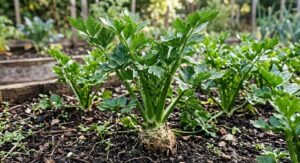
Maintaining a vibrant garden requires a deep understanding of the specific environmental needs of each species you choose to cultivate. The narrow-leaf zinnia is a particularly rewarding choice for both novice and experienced gardeners due to its remarkably hardy nature and prolific blooming habits. This plant offers a dense, bushy appearance that can fill gaps in borders or spill beautifully over the edges of decorative containers. By focusing on the fundamental principles of care, you can ensure these plants remain healthy and visually stunning throughout the entire growing season.
Successful cultivation begins with a thorough assessment of the microclimate within your garden or landscape design. These plants thrive in environments that mimic their native habitats, which are typically warm and characterized by excellent air circulation. You should prioritize placing them in spots where they can enjoy the maximum amount of daily sunlight without being crowded by larger, more aggressive perennials. Observing the growth patterns of your plants during the first few weeks will provide valuable insights into whether they are truly comfortable in their assigned locations.
Establishing the ideal soil environment
The foundation of any healthy plant is the soil in which it grows, and this species is no exception to the rule. You must ensure that the soil is exceptionally well-draining, as these plants are highly sensitive to standing water around their root systems. Incorporating organic matter such as well-rotted compost or leaf mold can significantly improve the structure of the soil while providing a steady supply of nutrients. A slightly acidic to neutral pH level is generally considered ideal for promoting the most vigorous growth and the most intense flower coloration.
If you are dealing with heavy clay soil, it is essential to amend it with coarse sand or perlite to prevent compaction and drainage issues. Compaction can lead to oxygen deprivation in the root zone, which often manifests as stunted growth or yellowing foliage. Testing your soil before the planting season begins allows you to make precise adjustments to the nutrient profile and acidity. Remember that a loose, friable soil texture encourages the fine root system of this zinnia to expand quickly and efficiently.
Temperature and climate considerations
These plants are true sun-lovers and show their best performance when the daytime temperatures consistently remain above the frost line. They have a remarkable ability to withstand heat and humidity, which makes them a staple in summer gardens where other flowers might wilt. You should wait until the soil has warmed up significantly in the spring before moving young plants outdoors to avoid cold shock. Monitoring local weather forecasts is a professional habit that prevents unnecessary losses during late-season cold snaps or unexpected temperature drops.
More articles on this topic
During periods of extreme heat, even the hardiest plants can experience a degree of physiological stress that might slow down flower production. While they are drought-tolerant once established, providing a bit of afternoon shade in exceptionally hot climates can help maintain the integrity of the delicate petals. You will notice that the plants tend to bounce back quickly once the cooler evening temperatures arrive, especially if the air is relatively dry. Avoid planting them in low-lying areas of the garden where cold air tends to settle during the night.
Managing the garden space
The narrow-leaf zinnia is prized for its compact and spreading habit, but it still requires adequate space to reach its full potential. When designing your garden beds, you should aim for a spacing that allows for continuous airflow between individual plants to minimize the risk of moisture-related issues. Overcrowding often leads to a competition for resources and can make the foliage more susceptible to environmental stressors. A well-spaced garden not only looks more professional but also functions as a healthier ecosystem for all your ornamental plants.
Weed management is another critical aspect of caring for these zinnias, especially during their early stages of development. You should regularly remove any competing vegetation that might rob the soil of moisture and essential minerals. Using a thin layer of organic mulch can help suppress weed seeds while also helping to regulate the temperature of the upper soil layers. Be careful not to pile mulch directly against the stems of the plants, as this can trap excess moisture and encourage rot.
Enhancing the blooming cycle
To keep your zinnias looking their best, you should implement a regular routine of deadheading throughout the blooming period. Removing spent flowers encourages the plant to redirect its energy from seed production back into creating new buds and foliage. This simple practice can significantly extend the flowering season, often lasting until the first hard frost of the autumn. You will find that a well-maintained plant produces a much higher volume of flowers than one left to its own devices.
More articles on this topic
The process of deadheading also allows you to inspect the plants closely for any early signs of health issues or nutrient deficiencies. Use sharp, sterilized garden shears to make clean cuts just above the next set of leaves or a developing bud. This technique promotes a bushier growth habit, preventing the plants from becoming leggy or sparse in the center. Consistent care in this area results in a lush, carpet-like display of orange, yellow, or white blooms that define the species.
Seasonal transitions and care
As the peak of summer passes, you may notice a slight change in the growth rate and water requirements of your plants. It is important to adjust your care routine to match these seasonal shifts, ensuring the plants stay hydrated but not oversaturated as the days shorten. Providing a final light application of a balanced fertilizer in late summer can help sustain the bloom quality during the final weeks of the season. Always pay attention to the overall vigor of the foliage, as this is the best indicator of the plant’s internal health.
Late-season care also involves preparing the plants for the eventual arrival of colder weather and the end of their annual cycle. You might choose to leave a few spent flowers on the stems toward the end of the season if you wish to collect seeds for the following year. This natural progression allows the plant to complete its lifecycle while still providing visual interest in the autumn garden. Professional gardeners often use this time to evaluate the performance of different varieties to plan for future landscaping projects.
Long term health and vigor
Maintaining the long-term health of your narrow-leaf zinnias requires a holistic approach that considers the entire environment. You should practice crop rotation in your garden beds to prevent the buildup of soil-borne pathogens that might affect future plantings. Keeping detailed records of your gardening activities, such as planting dates and specific care routines, can help you refine your techniques over time. A professional gardener understands that every season brings unique challenges and opportunities for learning more about plant behavior.
The ultimate goal of caring for these plants is to create a sustainable and beautiful landscape that thrives with minimal chemical intervention. By selecting the right site, preparing the soil correctly, and providing consistent maintenance, you can enjoy the many benefits of this versatile species. Its resilience and beauty make it a cornerstone of modern gardening, proving that even the most delicate-looking flowers can be incredibly tough. Your dedication to these professional standards will be rewarded with a spectacular and healthy garden display every year.