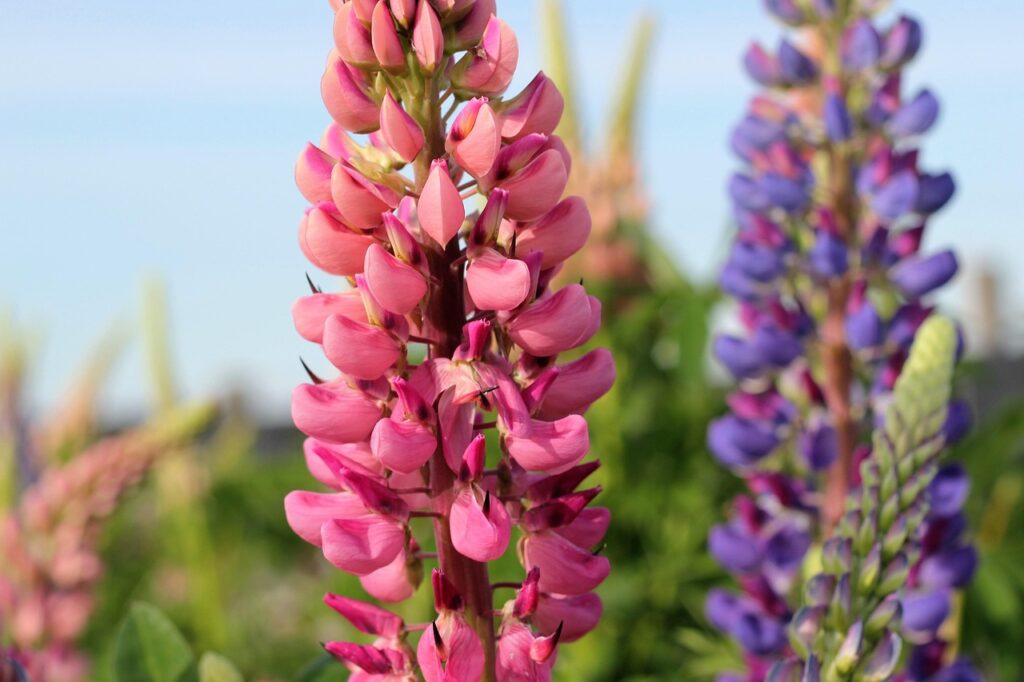

Caring for these tall, vibrant spires requires a blend of patience and specific horticultural knowledge to ensure they thrive in your garden landscape. You must understand that these perennials are not just beautiful additions but are also vital components of a healthy ecosystem. Providing the right environment from the start will significantly reduce the amount of maintenance required in later seasons. This guide aims to walk you through every nuance of their development to help you achieve spectacular floral displays.
The initial phase of care focuses on establishing a strong root system which is the foundation of the plant’s life. You should monitor the young seedlings closely during their first year as they are more vulnerable to environmental stressors. Once they take hold in the garden, their deep taproots make them relatively resilient to fluctuations in weather. However, regular observation remains key to identifying any issues before they become serious problems for the entire colony.
Maintenance involves a combination of environmental management and physical intervention when necessary. You will find that these plants appreciate a certain level of consistency in their surroundings despite their hardy nature. Seasonal changes require different approaches, ranging from spring cleanup to summer protection from intense heat. By staying proactive, you can ensure that the foliage remains lush and the flower spikes stay upright and colorful.
Expert gardeners often emphasize that understanding the specific lineage of your variety can help tailor your care routine. Some hybrids are more demanding than wild types, requiring more frequent checks for pests or nutrient deficiencies. Regardless of the variety, the goal is always to mimic their natural habitat as closely as possible. This involves balancing soil quality, moisture levels, and the biological interactions within the garden bed.
Foundations of success
Creating a successful garden bed starts with choosing a location that matches the physiological needs of the plant. You need to look for a spot that offers the right balance of light and protection from harsh winds. Strong gusts can easily snap the tall flower stalks if they are not properly sheltered or supported. Taking the time to observe your garden’s microclimate will pay dividends when the blooming season arrives in full force.
More articles on this topic
The soil structure is perhaps the most critical factor in determining the longevity of your perennials. You should aim for a medium that is rich in organic matter but still allows for excellent drainage. Heavy clay can lead to stagnant water around the roots, which often results in decay and the death of the specimen. Conversely, overly sandy soil may drain too quickly, leaving the plant thirsty and unable to absorb essential nutrients.
Climate considerations are also paramount when you are planning your maintenance schedule for the year. These plants generally prefer cooler summers and may struggle in regions where the nighttime temperatures stay very high. If you live in a warmer zone, you might need to provide some afternoon shade to prevent the leaves from scorching. Adapting your care to the local weather patterns is a mark of a truly professional gardener.
Social interactions between different species in your garden can also influence how well your lupines perform. You should consider companion planting as a way to naturally manage pests and improve soil health. Certain neighbors can provide beneficial shade or act as decoys for common garden insects that might otherwise target your flowers. A diverse garden ecosystem often leads to stronger, more resilient plants that require less chemical intervention over time.
Understanding soil chemistry
The chemical composition of your soil plays a dual role in both nutrition and the prevention of physiological disorders. You should aim for a slightly acidic to neutral pH level to ensure that micronutrients remain available for uptake. If the soil is too alkaline, you might notice yellowing between the leaf veins, a condition known as chlorosis. Correcting this usually involves adding organic sulfur or peat moss to gradually lower the pH levels.
More articles on this topic
Nutrient availability is tied closely to the presence of beneficial bacteria that live in symbiotic relationships with the roots. You do not need to over-fertilize with nitrogen because these plants have the unique ability to fix their own from the atmosphere. In fact, too much nitrogen can lead to excessive leaf growth at the expense of the beautiful flower spikes. A balanced approach that focuses on phosphorus and potassium will better support the flowering process.
Organic matter serves as a buffer and a slow-release source of energy for the soil’s biological community. You should regularly incorporate well-rotted compost or leaf mold into the top layers of the garden bed. This practice improves the soil’s texture and its ability to hold onto moisture without becoming waterlogged. Over time, this creates a living soil that supports the plant’s needs throughout its entire life cycle.
Testing your soil every few years is a professional habit that prevents guesswork in your gardening routine. You can use simple home kits or send samples to a lab for a more detailed analysis of the mineral content. Understanding what is happening beneath the surface allows you to make precise adjustments rather than general applications. This targeted approach is both more effective and more environmentally friendly for your long-term garden health.
Dealing with summer heat
Summer presents unique challenges for these plants, especially during periods of prolonged drought or extreme heat. You will notice that the foliage may begin to wilt in the afternoon if the temperature rises above their comfort zone. This is often a defense mechanism, but it indicates that the plant is under significant physiological stress. Providing a deep layer of mulch can help keep the root zone cool and retain precious moisture.
When the sun is at its strongest, you should be mindful of how you apply water to the garden. It is best to irrigate early in the morning so the moisture has time to penetrate deep into the ground before evaporating. Avoid getting water on the leaves during the hottest part of the day to prevent fungal issues or leaf burn. A consistent watering schedule is far more beneficial than occasional heavy soaking during a heatwave.
Air circulation is another vital factor that you must manage during the humid summer months. You should ensure that there is enough space between individual plants to allow a gentle breeze to pass through the foliage. Stagnant, humid air is the perfect breeding ground for various pathogens that can quickly devastate a garden. Pruning back any surrounding overgrown vegetation can help maintain the necessary airflow around your flower beds.
Monitoring for signs of stress should be part of your daily walk through the garden during the peak of summer. You might see the vibrant colors start to fade more quickly if the plant is struggling with the intensity of the light. If you notice severe drooping that does not recover overnight, it may be time to provide temporary shade structures. Protecting the plants during the most intense weeks of the year will help them survive to the next season.
Physical support for tall stalks
The architectural beauty of the flower spikes is undeniable, but their height makes them susceptible to physical damage. You should consider installing support structures early in the spring before the plants reach their full height. Using bamboo stakes or circular metal supports can provide the necessary stability against wind and rain. It is much easier to guide the growth through a support than to try and fix a bent or broken stem later.
Tying the stems requires a gentle touch to avoid constricting the vascular tissues that transport water and nutrients. You should use soft garden twine or specialized clips that allow for some movement as the plant grows. Avoid using wire or thin strings that could cut into the fleshy stems during a storm. Regularly checking the ties as the season progresses will ensure they remain effective and do not cause damage.
Strategic planting can also provide natural support if you group the lupines with other sturdy perennials. You can create a layered effect where shorter, bushier plants help hold up the taller flower spikes from below. This approach not only looks more natural but also creates a more stable community of plants. Just be sure that the companions do not compete too aggressively for the same root space or nutrients.
If a stem does break, you should remove it cleanly at the base to prevent it from becoming an entry point for disease. You can often use these broken spikes in floral arrangements indoors where they can still be appreciated. Removing damaged parts allows the plant to redirect its energy toward the remaining healthy stems and root development. Professional maintenance always involves this kind of selective cleaning to keep the garden looking its best.
Keeping the roots cool
The health of the root system is often reflected in the vibrancy of the flowers and the strength of the foliage. You should understand that the taproot of these plants goes deep, seeking out cool and moist layers of soil. This depth provides a level of stability that many shallow-rooted annuals simply cannot match in difficult conditions. Maintaining this cool environment is a priority during the transitions between spring and summer.
Mulching is the most effective tool at your disposal for regulating soil temperature in the root zone. You should apply a layer of bark chips, straw, or cocoa shells about two to three inches thick around the base. This layer acts as an insulator, protecting the delicate roots from the direct heat of the summer sun. It also suppresses weed growth, which reduces competition for the water and nutrients that your plants need.
Avoid digging too deeply or frequently around the base of established plants to prevent damaging the sensitive crown. You should be careful when adding new neighbors to the bed so that you do not disturb the existing root structures. If the crown becomes exposed due to erosion, you should gently cover it with fresh soil or compost. Keeping the crown protected is essential for preventing rot and ensuring the plant returns year after year.
In containers, keeping the roots cool is even more challenging due to the limited volume of soil. You should choose light-colored pots that reflect sunlight rather than absorbing it like dark plastic or ceramic. Placing containers in a spot where the pot itself is shaded while the plant gets sun can also be very effective. Regular monitoring of moisture levels is even more critical for potted specimens to prevent the root ball from overheating.
Enhancing the blooming period
The spectacular flowering phase is the highlight of the year, and there are ways you can extend this beauty. You should practice deadheading, which is the removal of spent flower spikes before they have a chance to set seed. This process signals the plant to produce a second, albeit often smaller, flush of blooms later in the season. It also keeps the garden looking tidy and prevents the plant from exhausting its energy on seed production.
Timing your interventions is crucial for maximizing the visual impact of your floral display. You should start looking for faded flowers at the bottom of the spike while the top is still in bloom. By cutting the spike back to a set of healthy leaves, you encourage lateral growth and new buds. This simple maintenance task can significantly increase the total time you spend enjoying the vibrant colors in your landscape.
Providing a light application of a phosphorus-rich fertilizer just as the buds begin to form can also boost performance. You should avoid high-nitrogen feeds at this stage, as they might trigger a growth spurt in the leaves rather than the flowers. A balanced organic liquid feed can be applied to the base of the plant to provide an immediate nutrient lift. Always follow the manufacturer’s instructions to avoid over-fertilizing, which can do more harm than good.
Visual checks for pollinators can also give you an idea of the health and attractiveness of your blooms. You should welcome bees and butterflies, as they are essential for the natural cycle of the garden. If you notice a lack of insect activity, it might indicate an environmental issue or the presence of pesticides. A healthy, pesticide-free garden will always produce more robust and long-lasting floral displays for you to admire.
Sustaining vigor over the years
While these plants are perennials, they are often considered short-lived compared to some other garden staples. You should plan for a lifespan of about three to five years for most garden varieties. To maintain a constant presence in your landscape, you might want to start new seedlings every few years to replace the older ones. This cycle ensures that you always have young, vigorous plants ready to take over as the elders fade.
Observation is your best tool for identifying when a plant is beginning to lose its vitality. You might notice that the flower spikes become smaller or the foliage starts to look sparse and yellowed. This decline is a natural part of the plant’s life cycle and is not always a sign of poor care. When a plant reaches this stage, it is often better to remove it and refresh the soil before planting a new specimen.
The surrounding environment should be refreshed periodically to prevent the buildup of pathogens in the soil. You should consider rotating where you plant your lupines every few years to maintain soil health. Adding fresh compost and organic minerals can help replenish what the plants have extracted during their growth. A proactive approach to soil management will help any new additions thrive from the moment they are planted.
Finally, you should keep a garden journal to track the performance of different varieties in your specific location. You will find that some colors or types are more resilient to your local pests or weather conditions. Recording when they bloom and how long they last helps you refine your care techniques over time. This professional level of attention transforms a simple garden into a thriving, expert-level horticultural display.
Lupines are one of the most iconic plants in the early summer garden, but they definitely have some specific needs to thrive. The most important thing I’ve found is that they prefer a soil that is slightly acidic and very well-drained. If your soil is too alkaline, the leaves will often turn yellow and the plant will struggle to grow. I always amend my soil with a bit of sulfur or peat moss to lower the pH. They are also heavy feeders, so a bit of compost in the spring can really help them produce those tall, vibrant spires of flowers. I’ve noticed that they are very attractive to bees and butterflies, which is a great bonus.
I have the same issue with alkaline soil in my garden, so I will definitely try the sulfur amendment this year! I’ve also found that regular deadheading is absolutely essential to keep the flowers coming as long as possible. Once the main flower spike has finished blooming, I cut it back to just above a set of healthy leaves. This often encourages the plant to produce several smaller side spikes later in the summer. Have you ever had any issues with lupine aphids? I’ve noticed that they can sometimes be a bit of a magnet for them, and they can quickly overwhelm a young plant if you don’t keep an eye on them.
One of the things I love most about lupines is that they are nitrogen-fixing plants, meaning they help to improve the quality of the soil for other plants in the garden. It’s such a great way to create a more sustainable and healthy ecosystem. I’ve found that they are very resistant to most common garden pests, though you should keep an eye out for slugs when they are young. They prefer a spot in full sun or partial shade and need a soil that stays consistently moist during their active growth period. I usually mulch mine with a bit of leaf mold to help retain moisture and provide some extra nutrients. They are such a beautiful and rewarding plant to have in the garden.
If you want to keep your lupines looking their best, it’s important to provide them with plenty of water during dry spells, especially as the flower spikes are starting to form. They are very sun-loving plants and need a spot that receives at least six hours of direct sunlight. I’ve noticed that they can sometimes be a bit sensitive to being transplanted, so it’s best to sow them directly where you want them to grow. They look great when planted in large groups or drifts for a high-impact display. I’ve also found that they are very easy to grow from seed, though it might take a couple of years before they start flowering well. Overall, they are a fantastic and easy-to-grow perennial for any garden.