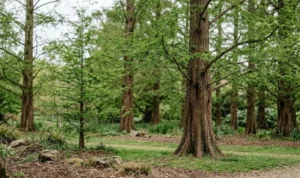
Finding the perfect balance of light and shadow is the most fundamental challenge when cultivating false spirea in a domestic or professional landscape. These perennials are naturally adapted to the dappled light found beneath the canopies of deciduous forests, where they are protected from the harshness of the direct sun. A deep understanding of how light intensity and duration affect leaf color and bloom quality is essential for any expert gardener. By positioning these plants correctly, you can ensure they remain healthy and vibrant throughout the entire growing season.
The preference for filtered shade
The ideal light condition for most varieties is part-shade to full-shade, which mimics their natural woodland habitat. In these environments, the plants receive a soft, diffused light that provides enough energy for photosynthesis without causing the leaves to overheat. Dappled sunlight, where the shadows of tree branches move across the plant throughout the day, is often considered the gold standard for growth. This shifting light pattern ensures the plant stays cool while still receiving the light it needs to produce its spectacular flower plumes.
Deep shade is tolerated by many varieties, though you may notice a slight reduction in the number and size of the flowers. In very dark corners of the garden, the plants tend to grow more slowly and may have a more open, airy structure compared to those in brighter spots. However, the foliage color often remains more intense and vibrant in these shaded locations, as it is not subject to the fading effects of the sun. For many gardeners, the trade-off of slightly fewer flowers is worth the benefit of having a healthy, lush plant in a difficult, dark area.
You should avoid planting false spirea in locations that receive intense, direct sunlight during the middle of the day. The thin, delicate leaves have a high surface-area-to-volume ratio, making them extremely susceptible to rapid moisture loss and sunburn. Even with constant watering, a plant in full sun will often develop brown, crispy edges and a stunted, stressed appearance. Professional designers always prioritize the protection of the foliage by utilizing the shadows of buildings, fences, or larger companion plants.
Morning sun followed by afternoon shade is a highly effective compromise for those who want the best possible flower display. The cool light of the early morning provides the necessary energy for bloom production before the temperatures rise to their peak. As the sun moves higher and becomes more intense, the plant is shielded by the surrounding structures or vegetation, preventing physiological stress. This specific light orientation is often the secret behind the prize-winning specimens seen in professional botanical collections.
More articles on this topic
Assessing sun tolerance and heat stress
While most false spirea prefer shade, some modern cultivars have been bred for increased sun tolerance, provided their water needs are met perfectly. These varieties often have darker, more leathery foliage that can withstand a bit more radiation than the classic light-green types. However, “sun tolerance” is always a relative term and is heavily dependent on the local climate and soil moisture levels. In cooler northern regions, these plants can handle more direct light than they could in the intense heat of the south.
You can identify a plant that is receiving too much light by looking for specific physiological signs of stress on the leaves. Sunscald often appears as bleached or silver patches on the upper surface of the foliage where the chlorophyll has been damaged by UV radiation. Over time, these patches will turn brown and brittle, eventually leading to the death of the affected leaf tissue. If you see these signs, it is a clear indication that the plant needs more shade or a more consistent supply of water to cool its tissues.
Heat stress often goes hand-in-hand with excessive light, as the sun’s energy directly increases the temperature of the plant and the surrounding soil. Even in the shade, high ambient temperatures can cause the plant to wilt as its transpiration rate exceeds its ability to pull water from the roots. You can mitigate this by ensuring the soil is kept cool with a thick layer of mulch and by providing extra water during heatwaves. A professional approach involves monitoring both the light levels and the temperature to ensure a stable environment.
If you find that a plant is struggling in its current location due to too much sun, it is often best to move it to a more shaded spot. Transplanting is best done in the early spring or autumn when the air is cool and the plant is not in its peak growth phase. Moving a stressed plant to a better microclimate can lead to a dramatic improvement in its health and appearance within a single season. Don’t be afraid to experiment with different locations in your garden to find the perfect light balance for each variety.
More articles on this topic
Seasonal shifts in light patterns
It is important to remember that the light levels in your garden will change significantly as the seasons progress from spring to autumn. A spot that is perfectly shaded in mid-summer when the trees are in full leaf might be in full sun in the early spring before the canopy develops. This early-season light is usually not a problem, as the air temperatures are cool and the sun is less intense. In fact, the extra light in the spring can help jump-start the growth of the new shoots as they emerge from the ground.
As the sun moves higher in the sky during the summer solstice, the shadows in your garden will become shorter and more concentrated. Areas that were shaded in May may suddenly find themselves exposed to the intense midday sun in late June and July. You should observe your garden throughout the day at different times of the year to truly understand the light dynamics of your planting sites. This ongoing observation allows you to anticipate potential problems and provide temporary shade if necessary during the peak of summer.
In the late summer and autumn, the sun drops lower in the sky, creating longer shadows that can reach further into previously bright areas. This shift often provides a welcome relief for moisture-loving perennials as they begin to transition toward their dormant phase. The cooler, softer light of autumn is ideal for the late-season photosynthesis that helps the plant store energy for the winter. Understanding these celestial cycles is a hallmark of an expert gardener who works in harmony with the natural environment.
Reflected light from light-colored walls, fences, or even swimming pools can also increase the total amount of radiation a plant receives. This “indirect” light can be surprisingly intense and may cause leaf scorch even if the plant is technically in the shade. You should consider the surrounding materials and surfaces when evaluating the light levels in a potential planting site. A professional site assessment always takes into account both direct and reflected light to ensure the long-term success of the perennial collection.
Optimizing light for bloom quality
The intensity of the light has a direct impact on the color and density of the flower plumes produced by the false spirea. Generally, plants that receive a bit more light (within their tolerance range) will produce more vibrant and densely packed flowers. In deep shade, the colors may appear more muted, and the plumes may be more elongated as they stretch toward the available light. Finding the “sweet spot” of light intensity allows you to maximize the visual impact of the blooms without compromising the health of the foliage.
Different flower colors may react differently to the light levels in your garden, requiring a more nuanced approach to variety selection. White and light-pink varieties are particularly effective at “glowing” in dark, shaded corners where they can brighten the entire landscape. Deep red and purple varieties often need a bit more light to truly showcase their rich pigments and prevent them from blending into the shadows. By matching the variety to the specific light conditions of each bed, you can create a more dynamic and visually interesting garden.
If you are growing these plants specifically for cut flowers, you may want to provide a bit more light to ensure strong, sturdy stems that can support the heavy plumes. Stems grown in too much shade can sometimes be a bit weak or floppy, making them less suitable for floral arrangements. However, you must still be diligent about moisture management to prevent the leaves on the cut stems from wilting prematurely. Professional growers often use shade cloth to precisely control the light levels in their production beds for the best possible results.
Finally, remember that light requirements can vary slightly between different species and hybrids within the false spirea family. Some smaller, compact varieties may be more resilient to light variations than the taller, more dramatic types. Always check the specific recommendations for each cultivar you purchase and observe how it performs in your unique garden environment. True expertise comes from combining general horticultural knowledge with a keen eye for how individual plants respond to their specific surroundings.