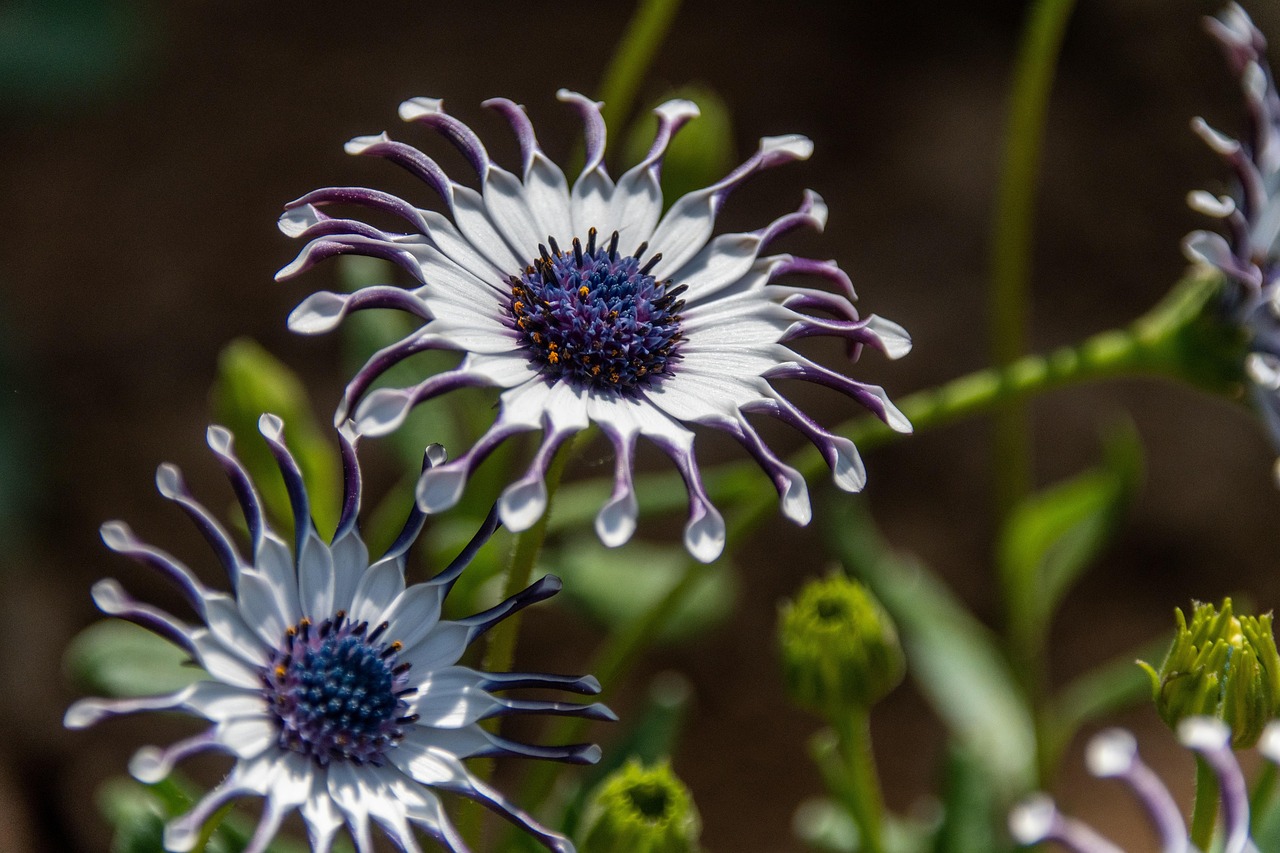

The cape daisy is a truly versatile and vibrant addition to any temperate garden, offering a kaleidoscope of colors from early spring until the first frosts of autumn. Cultivating these African beauties requires a nuanced understanding of their specific environmental preferences and biological rhythms. While they are relatively hardy, achieving the best floral display demands consistent attention to detail and a proactive approach to garden management. By following a structured care routine, you can ensure that these plants remain the centerpiece of your landscape for months on end.
Successful cultivation begins with selecting the right location within your garden to mimic their natural habitat. These plants thrive in areas where they can soak up plenty of sunlight while remaining protected from the harshest winds. You should observe your garden throughout the day to identify spots that receive at least six to eight hours of direct exposure. Proper placement not only enhances the intensity of the petal colors but also strengthens the overall structure of the plant stems.
The soil conditions play a pivotal role in the long-term health and vitality of your floral display. Cape daisies prefer a substrate that is exceptionally well-draining to prevent the delicate root systems from sitting in stagnant water. Incorporating organic matter such as well-rotted compost or leaf mold can significantly improve the soil structure and nutrient availability. You should aim for a slightly acidic to neutral pH level to facilitate the optimal uptake of essential minerals and trace elements.
Temperature management is another critical factor that influences the growth cycles and blooming patterns of these species. They generally prefer cooler night temperatures, which often triggers a second flush of flowers during the late summer and early autumn. During periods of extreme heat, the plants may enter a brief semi-dormant state to conserve energy and moisture. Providing some light afternoon shade during the hottest weeks of July can help the plant maintain its lush green foliage and structural integrity.
Essential maintenance for continuous blooming
To maintain a continuous sea of flowers, you must engage in regular maintenance tasks that encourage the plant to invest energy into new growth. Deadheading, or the removal of spent flowers, is perhaps the most important daily or weekly chore for a dedicated gardener. By snipping off the faded blooms just above the next set of healthy leaves, you prevent the plant from producing seeds prematurely. This simple action signals to the plant that it needs to produce more buds to complete its reproductive cycle.
More articles on this topic
Monitoring the growth habit of the plant is also necessary to prevent it from becoming overly leggy or sparse. If you notice that the center of the plant is starting to look thin, a light trim can encourage more lateral branching. This results in a bushier appearance and a higher density of flower heads across the entire surface of the foliage. Many professional growers suggest a mid-season rejuvenation trim to keep the aesthetics sharp and the biological activity high.
Mulching around the base of the plants can provide multiple benefits that simplify your daily care routine. A layer of organic mulch helps to regulate soil temperature and retain moisture during the dry spells of the growing season. It also acts as a natural barrier against weed competition, which can otherwise rob your daisies of vital nutrients and space. Ensure that the mulch does not directly touch the main stem to avoid any potential issues with localized humidity or rot.
Observing the leaves can provide you with immediate feedback regarding the nutritional status and hydration levels of the plant. Healthy leaves should be a deep, vibrant green and firm to the touch without any signs of wilting or yellowing. If you notice any changes in foliage color, it is time to reassess your environmental parameters and adjust accordingly. Taking a few minutes each day to walk through your garden allows you to catch minor issues before they escalate into major problems.
Optimizing the growing environment
Creating a microclimate that suits the specific needs of the cape daisy can make a significant difference in its performance. These plants are native to South Africa, meaning they are adapted to regions with distinct dry and wet seasons. In a garden setting, you should try to replicate these cycles by providing consistent care during active growth while allowing for rest. Understanding the relationship between light, water, and air circulation is the key to unlocking the full potential of each specimen.
More articles on this topic
Airflow is an often overlooked component of plant care that is vital for preventing the buildup of fungal pathogens. When planting, you should ensure there is enough space between each daisy to allow wind to pass through the foliage easily. This helps to dry out the leaves after morning dew or rainfall, which significantly reduces the risk of mildew development. If your garden is naturally stagnant, consider placing your daisies in elevated containers or near open pathways.
The choice between ground planting and container cultivation will dictate some of your specific care requirements throughout the year. Plants in the ground have access to a larger reservoir of nutrients and moisture, making them slightly more resilient to neglect. Conversely, container-grown daisies offer the flexibility of movement, allowing you to chase the sun or hide them from storms. Regardless of the method, the fundamental biological needs of the plant remain the same and must be respected for success.
Seasonal transitions require a shift in your care philosophy to match the changing metabolic rates of the daisies. As the days shorten and temperatures drop in the late autumn, the plant will naturally slow down its production of new foliage. You should gradually reduce the intensity of your maintenance tasks to allow the plant to prepare for its dormant phase. This proactive adjustment helps the plant conserve the internal resources it will need to survive the coming winter months.
Cultural practices for plant longevity
Developing a long-term strategy for your garden involves more than just reactive care; it requires a proactive cultural approach. Regularly testing your soil can give you a clear picture of what might be missing from the environment. You can then make informed decisions about amendments rather than relying on guesswork which might lead to nutrient imbalances. A balanced soil ecosystem supports not only the daisies but also the beneficial microbes that keep the entire garden healthy.
Integration with other plant species can also enhance the health and aesthetic appeal of your cape daisies. Choosing companion plants that share similar light and water requirements creates a harmonious community that is easier to manage. Low-growing herbs or silver-foliaged perennials often provide a beautiful contrast to the vivid colors of the daisy petals. This biodiversity also attracts a wider range of beneficial insects which can help with natural pest management.
Record-keeping is a habit that many expert gardeners use to refine their techniques over several growing seasons. Note down when the first blooms appeared, how the plants reacted to specific weather events, and which varieties performed the best. This personal database becomes an invaluable resource for planning your garden layout in subsequent years. Over time, you will develop an intuitive sense of what your specific plants need within your unique local climate.
Finally, the tools you use for care should always be kept clean and sharp to prevent the spread of pathogens. Pruning shears and trowels can easily transport microscopic spores or bacteria from one plant to another if not properly sanitized. A quick dip in a mild disinfectant after each use is a simple step that pays dividends in plant health. Investing in high-quality equipment also makes the physical tasks of gardening more enjoyable and less fatiguing for the grower.
Managing summer stress factors
The peak of summer can be a challenging time for many garden plants, and the cape daisy is no exception. While they enjoy the sun, the combination of high temperatures and low humidity can cause the plants to show signs of stress. You might notice that the flowers close up during the hottest part of the day to protect their reproductive organs. This is a natural defense mechanism, but it serves as a signal that the plant might need a little extra support.
Providing a temporary shade cloth during heatwaves can be an effective way to lower the ambient temperature around the foliage. This reduces the rate of transpiration, which is the process where the plant loses water through its leaves. If the plant loses moisture faster than it can take it up from the roots, it will begin to wilt and lose its structural turgor. Keeping the soil consistently cool through mulching and strategic watering is the best way to combat these summer extremes.
During these hot periods, it is also wise to pause any heavy fertilization efforts that might stimulate rapid new growth. Soft, new shoots are more susceptible to heat damage and require more water than established stems. Instead, focus on maintaining the current health of the plant until the temperatures begin to moderate in late August. This conservative approach ensures that the plant has enough energy to produce a spectacular autumn floral display.
Hydration should be focused on the root zone rather than the foliage to maximize efficiency and health. Using a soaker hose or drip irrigation system ensures that the water reaches the soil where it is needed most. This also keeps the leaves dry, which is important when the humidity is high during summer evenings. Consistency is the hallmark of a professional irrigation plan, as it prevents the stress of fluctuating moisture levels.
Container gardening specifics
Growing cape daisies in pots and planters opens up a world of design possibilities for patios, balconies, and porches. However, container environments are much more volatile than the open ground and require more frequent monitoring. The limited volume of soil means that nutrients are depleted more quickly and the temperature of the root ball can rise rapidly. You should check the moisture levels of your containers daily, especially during the height of the summer season.
Selecting the right container material is just as important as the soil mix you choose to put inside it. Terracotta pots are breathable and allow for excellent drainage, but they also dry out faster than plastic or glazed ceramic options. If you live in a particularly hot or windy area, a larger container with a greater soil volume will provide more stability. Ensure that every pot has multiple drainage holes at the bottom to allow excess water to escape freely.
Nutrient management in containers must be more deliberate because the plants cannot send roots deeper into the earth to find minerals. A regular feeding schedule with a liquid fertilizer designed for flowering plants will help maintain the color and size of the blooms. Start with a half-strength solution to see how the plants react before moving to full strength. It is often better to provide small, frequent doses of nutrients rather than one large application that might leach away.
Rotation is a simple trick that can ensure your container daisies grow evenly and don’t become lopsided. Every few days, give the pot a quarter turn so that all sides of the plant receive equal amounts of sunlight. This prevents the stems from stretching toward the light source and keeps the overall shape symmetrical and attractive. It also allows you to inspect all parts of the plant for any signs of pests or disease that might be hiding in the shade.
Long-term health and vitality
As the growing season progresses, the overall structure of the cape daisy may require some strategic intervention to remain vigorous. Older stems can sometimes become woody and produce fewer flowers, which detracts from the plant’s visual impact. You can selectively prune these older sections to make room for fresh, green shoots that will carry the next generation of buds. This process of constant renewal is essential for keeping the plant looking young and productive.
Building a resilient garden ecosystem is the best defense against the various challenges that a season can throw your way. By encouraging beneficial insects like ladybugs and lacewings, you create a natural balance that keeps pest populations under control. Avoid using broad-spectrum pesticides that might harm these helpful allies and disrupt the local biological harmony. A healthy plant in a balanced environment is naturally more resistant to the pressures of nature.
Understanding the genetic diversity within the genus can also help you choose the right varieties for your specific needs. Some cultivars are bred specifically for heat tolerance, while others are selected for their compact growth or unique petal shapes. Experimenting with different types over the years will allow you to find the ones that perform best in your garden’s unique conditions. Diversity in your planting scheme also adds visual interest and provides a longer overall blooming window.
In conclusion, the care of the cape daisy is a rewarding endeavor that combines scientific principles with artistic gardening. By paying close attention to the needs of the plant and responding with timely interventions, you can enjoy a stunning display. The relationship between the gardener and the plant grows stronger with each passing season of successful cultivation. Your efforts will be repaid with a garden full of color, life, and professional-grade floral beauty.

Cape daisies, or Osteospermum, are such a versatile and vibrant addition to any temperate garden. I love the way they offer a kaleidoscope of colors from early spring until the first frosts of autumn. I’ve found that they prefer a spot in full sun with soil that is well-drained but stays consistently moist. Adding a bit of compost to the soil before planting can really help them thrive. One thing to keep in mind is that they can sometimes go dormant during periods of extreme heat, so don’t be alarmed if they stop flowering for a bit in the middle of summer. They will usually start blooming again as soon as the temperature cools down.
I completely agree about the heat stress—I was really worried about mine last summer when they stopped blooming, but they came back stronger than ever in the autumn! I’ve also found that regular deadheading is absolutely essential to keep the flowers coming all season long. Cutting off the spent flowers not only keeps the plant looking tidy but also encourages the production of new buds. Do you find that some colors are more heat-tolerant than others? I’ve noticed that the purple ones seem to handle the heat a bit better than the white or yellow varieties in my garden. I’m already looking forward to seeing mine bloom this year.
Cape daisies are such a great way to add a bit of high-impact color to your garden with very little effort. I love the way they attract butterflies and other pollinators, which adds another layer of interest to the garden. I’ve found that they are very resistant to most common garden pests, though you should keep an eye out for aphids on the tender new growth. They are also quite drought-tolerant once they are established, which is a big plus in my area. I usually mulch mine with a bit of shredded bark to help retain moisture and keep the roots cool. They are such a low-maintenance and rewarding plant to have in the garden.
If you want to keep your cape daisies looking their best, it’s important to provide them with a balanced liquid fertilizer every few weeks during the growing season. This gives them that extra boost of energy they need for a spectacular floral display. I’ve noticed that they can sometimes become a bit leggy if they aren’t pinched back early in the season. A little bit of attention early on results in a much bushier and more floriferous plant. They look great when planted in large groups or drifts for a high-impact display. I’ve also found that they are very easy to grow in containers and window boxes.
For those with limited space, cape daisies grow surprisingly well in containers and window boxes. I use a high-quality potting mix with a bit of extra perlite added in to ensure the drainage is as sharp as possible. They look great when mixed with trailing plants like ivy or lobelia. Just remember to keep them well-watered, as pots can dry out very quickly in the summer heat. I usually deadhead them regularly to keep them looking tidy and to encourage a longer flowering period. They are such a cheerful and rewarding plant to have around. I’m definitely going to plant even more of them this year.