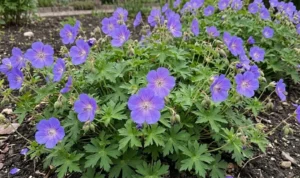
Preparing your garden for the colder months is a crucial step in ensuring that your perennials return with vigor in the spring. While many forget-me-not varieties are quite hardy, providing them with a little extra protection can make a significant difference in their survival rates and early-season performance. The goal of overwintering is to shield the delicate crowns from extreme temperature fluctuations and excessive moisture. With a few simple techniques, you can help these woodland favorites navigate the challenges of winter and emerge ready to bloom.
Cold hardiness basics
Most varieties of this species are rated for temperate climates and can withstand freezing temperatures without much difficulty. Their natural strategy for survival involves entering a state of dormancy where metabolic activity is significantly reduced. This allows the plant to conserve energy and protect its vital tissues from the damaging effects of ice crystals. Understanding the specific hardiness zone of your garden will help you determine the level of protection required.
The structure of the plant’s crown—the point where the stems meet the roots—is the most vulnerable part during the winter. If the crown is damaged by heavy frost or repeated freezing and thawing cycles, the plant may fail to regrow in the spring. Ensuring that the soil around the crown is well-drained is the first step in winter protection. Standing water that freezes around the base of the plant can cause physical damage and lead to rot.
Snow can actually act as a natural insulator, providing a stable temperature for the plants buried beneath it. However, in regions with little snowfall or frequent “green” winters, the plants are exposed to the full force of the cold and wind. In these cases, artificial insulation becomes much more important for plant survival. Being aware of your local weather patterns allows you to adapt your overwintering strategy each year.
Late-season growth should be discouraged, as tender new shoots are the most likely to be killed by the first frost. Avoid fertilizing with high-nitrogen products in the late summer, which can trigger a flush of vulnerable growth. Instead, let the plants naturally wind down and begin their transition into dormancy. A plant that has properly hardened off is much more likely to survive even the harshest winter conditions.
More articles on this topic
Mulching for protection
Mulching is the most effective way to insulate the soil and protect the roots and crowns from winter stress. A layer of organic material acts as a thermal blanket, slowing down the rate at which the soil freezes and thaws. This stability prevents “frost heaving,” a process where the plant is literally pushed out of the ground by expanding ice. Applying mulch in the late autumn, after the first light frost, is the ideal timing.
Chopped leaves, straw, or evergreen boughs are excellent choices for winter mulch. These materials are lightweight and allow for some air circulation, which prevents the plants from being smothered or becoming too damp. Avoid using heavy, matted materials like whole wet leaves, as these can trap moisture and encourage fungal diseases. A thickness of about five to ten centimeters is usually sufficient for most climates.
When applying the mulch, be careful not to bury the crowns too deeply, as this can lead to rot during the damp periods of winter. Instead, mound the material around the base of the plants, leaving the very center slightly exposed or lightly covered. This provides the necessary protection while still allowing the plant to “breathe.” You can use garden stakes or heavy stones to keep the mulch from blowing away in winter winds.
In the spring, it is important to remove the winter mulch gradually as the temperatures begin to rise. If you leave it on too long, it can delay the warming of the soil and slow down the emergence of new growth. Keep an eye on the weather forecast and start pulling the mulch back during a period of mild weather. This careful timing ensures a smooth transition from winter dormancy to spring activity.
More articles on this topic
Container plant care
Forget-me-nots grown in containers require extra attention during the winter because their roots are much more exposed to the cold. The soil in a pot can freeze solid much faster than the ground, which can be fatal for many plants. If you live in a cold region, it is best to move your containers to a more sheltered location. A cold frame, an unheated garage, or even the side of a building can provide enough protection.
Insulating the pots themselves can also help to moderate the temperature of the soil. You can wrap the containers in bubble wrap, burlap, or old blankets to provide a layer of protection against the frost. Grouping multiple pots together also helps, as they can share their thermal mass and reduce the surface area exposed to the cold. Ensure that the pots are still able to drain freely to prevent the soil from becoming a block of ice.
Watering is still necessary for container plants during the winter, though it should be done sparingly. Check the soil occasionally during thaws to ensure it hasn’t become completely dry. If the soil is dry to the touch, provide a small amount of water on a day when the temperatures are above freezing. This prevents the roots from desiccating, which is a common cause of winter death for containerized perennials.
If you have particularly valuable or sensitive varieties, you may want to sink the entire pot into the ground for the winter. This uses the natural insulation of the earth to protect the root system. In the spring, you can simply lift the pot, clean it up, and place it back in its display position. This technique combines the convenience of container gardening with the safety of ground planting.
Early spring recovery
As the days grow longer and the sun begins to warm the garden, your forget-me-nots will start to show signs of life. The first indicator is usually the emergence of small, green leaves from the center of the crown. This is the time to carefully remove any remaining winter protection and clean up the planting bed. Take care not to damage the tender new shoots as you work around the plants.
If you notice any dead or damaged foliage from the previous year, trim it away to make room for new growth. This not only improves the appearance of the garden but also helps to prevent the spread of any overwintering diseases. A light application of compost at this stage will provide a gentle boost of nutrients to support the spring flush. Watering may also be necessary if the spring has been unusually dry.
Frost heaving may have pushed some plants partially out of the soil during the winter. If you see exposed roots, gently press the plant back into the ground and firm the soil around it. This ensures that the roots have good contact with the soil and can begin taking up water and nutrients. Monitoring the plants closely during these first few weeks of spring will help them get off to a strong start.
Finally, keep a close watch for any late-spring frosts that could damage the emerging flower buds. If a hard freeze is predicted after the plants have started growing, you may want to temporarily cover them with a light cloth. This extra bit of care can protect the year’s flower display from being ruined at the last minute. With a successful overwintering behind them, your forget-me-nots are ready to shine once again.