
Finding the perfect balance of sun and shade is one of the most important factors in successfully growing these mountain wildflowers in a domestic garden. While they are often described as adaptable, their performance and longevity are deeply tied to the intensity and duration of the light they receive. Understanding how light interacts with their biology will help you choose the best location for planting and ensure they thrive year after year. A professional approach to light management involves observing the daily movement of the sun across your landscape throughout the entire growing season.
Optimal sun exposure for peak health
In their natural habitat, these plants often grow in open woodlands or high-altitude meadows where they receive bright but filtered sunlight. In a garden setting, they typically perform best when they have several hours of direct morning sun followed by dappled shade in the afternoon. This pattern allows the plant to photosynthesize efficiently while protecting it from the most intense heat of the day. Too much shade can result in tall, spindly plants that produce fewer flowers and are more prone to falling over.
The quality of the light is just as important as the quantity, as these plants are sensitive to the heat that often accompanies direct sunlight. You should look for a spot in your garden that offers “bright indirect light,” which provides the energy for growth without the risk of scorching the leaves. North or east-facing borders are often ideal locations because they receive the gentle morning light and are protected during the hot afternoon hours. Understanding the specific light patterns in your garden is the first step toward creating a successful planting scheme.
If your garden is very sunny, you can still grow these beautiful flowers by providing some natural shade from surrounding taller plants or structures. Planting them on the north side of a fence or under the canopy of a large tree can provide the perfect light environment. The goal is to mimic the “edge of the forest” conditions where they naturally thrive, offering a mix of light and shadow throughout the day. Using the existing features of your landscape to create the right light levels is a key skill for any professional gardener.
Monitoring the foliage will tell you a lot about whether the plant is receiving the right amount of light in its current location. If the leaves look pale or yellowish, it may be a sign of too much direct sun, while very dark green and sparse foliage might indicate a need for more light. Adjusting the location of the plant, if possible, or providing temporary shade can help you find the perfect balance for your specific garden conditions. Each plant will respond slightly differently depending on its genetics and the overall health of the soil it is growing in.
More articles on this topic
Managing light in high-altitude environments
If you live at a higher elevation, the intensity of the ultraviolet light is much greater, even if the air temperatures remain relatively cool. In these conditions, these plants can tolerate more direct sun because the ambient temperature is lower and more to their liking. However, you must still be careful to ensure they do not dry out too quickly under the bright mountain sky. High-altitude gardening requires a unique understanding of how light and temperature interact to influence plant growth and development.
In lower-altitude or warmer regions, the same plant will need significantly more protection from the sun to prevent heat stress and premature dormancy. The goal in these areas is to provide a cooler microclimate by utilizing shade more aggressively during the peak summer months. You might find that your plants do best in a location that only receives three or four hours of morning sun and remains in complete shade for the rest of the day. Adapting your planting strategy to your local climate is essential for long-term success with these mountain-dwelling perennials.
Reflected light from light-colored walls or pavement can also increase the total light and heat exposure for nearby plants. You should be careful when planting near these structures, as the added warmth can cause the soil to dry out much faster and may scorch the foliage. Choosing a location with natural ground cover or darker surfaces can help maintain a more consistent and cooler environment for the roots. Small details like this can make a big difference in the overall health and appearance of your garden over the course of a season.
Seasonal changes in the angle of the sun mean that a spot that is shady in the spring may be in full sun by the height of summer. You should observe your garden at different times of the year to understand how the light patterns shift as the days get longer and the sun moves higher in the sky. This knowledge allows you to place your plants in locations where they will have the best possible light throughout their entire growing and blooming cycle. Planning for these seasonal shifts is a hallmark of a thoughtful and professional approach to garden design.
More articles on this topic
Shady garden placement and aesthetics
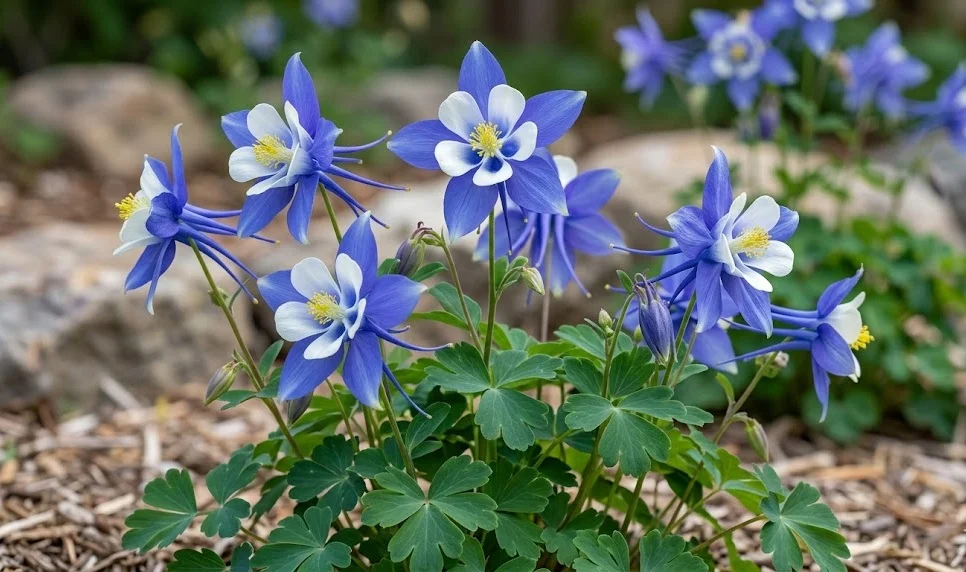
Using these plants in a shady border is a classic way to add color and interest to the more difficult areas of the garden landscape. Their bright, often two-toned flowers stand out beautifully against the darker greens of shade-loving foliage like ferns and hostas. Even in deeper shade, the delicate texture of the columbine leaves provides a wonderful contrast to bolder plants. While they may bloom slightly less in heavy shade, their structural contribution to the garden remains very high throughout the season.
Air circulation is even more important in shady locations because moisture tends to linger on the leaves for much longer periods. You should ensure that your plants are not overcrowded and that there is plenty of room for the breeze to move between them. This helps prevent the development of fungal diseases like powdery mildew, which thrive in damp, stagnant, and shady environments. A healthy balance of light and air is the secret to maintaining a vibrant shade garden that is both beautiful and resilient.
If you find that your plants are reaching toward the light and becoming unstable, they may be telling you that the shade is too deep for their needs. You can often improve the situation by “limbing up” nearby trees to allow more light to reach the ground level. This simple pruning task can dramatically increase the amount of filtered light available to your garden beds without removing the shade entirely. Managing the canopy is an ongoing part of maintaining a healthy light environment for all your understory plants.
Experimenting with different cultivars can also help you find plants that are better suited to specific light conditions in your garden. Some varieties have been bred to be more heat-tolerant, while others are naturally more at home in the deeper shade of a woodland setting. Keeping track of which plants perform best in which locations will help you refine your gardening strategy over many years. The more you learn about the unique light needs of your plants, the more successful and rewarding your gardening experience will become.