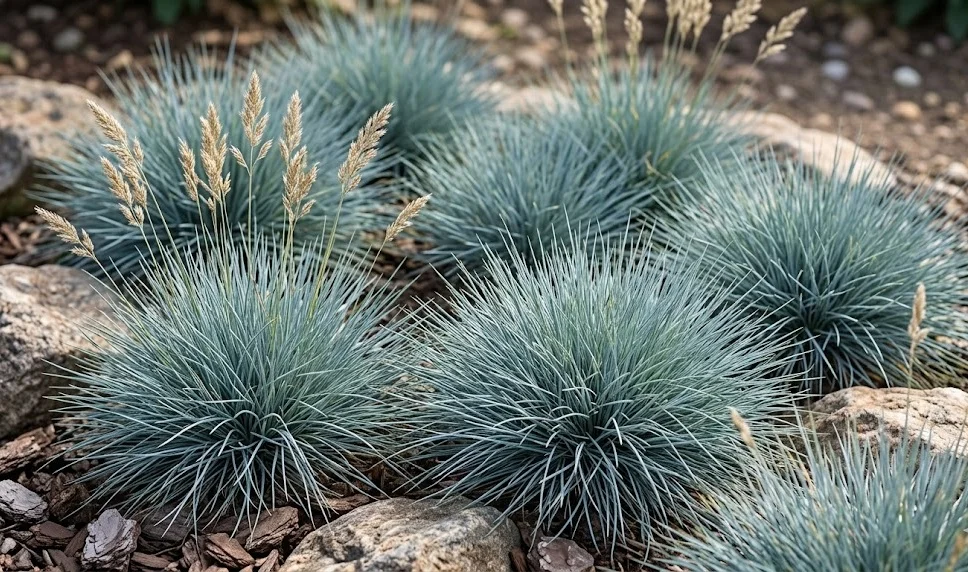

Preparing blue fescue for the winter months is a critical task that ensures its survival and beauty for the following spring. Although this ornamental grass is known for its hardiness, the combination of cold temperatures and excess moisture can pose a significant challenge. You must take specific steps to protect the structural integrity and health of the clumps during the dormant season. A professional approach to overwintering will minimize winter damage and lead to a more vigorous growth cycle once the ground thaws.
Understanding winter hardiness and climate zones
Before the first frost arrives, you should be aware of the specific hardiness rating of the blue fescue variety you are growing. Most types are remarkably cold-tolerant and can survive in temperatures well below freezing without any major issues. However, the environmental conditions of your specific microclimate can influence how well the plant handles the stress of winter. Understanding these variables allows you to provide the appropriate level of protection for your specific location.
In very cold regions, the main concern is often the repeated freezing and thawing of the soil, which can push plants out of the ground. This process, known as frost heaving, can expose the delicate roots to the drying effects of the winter wind. You should check your plants periodically during winter thaws to ensure they are still firmly anchored in the soil. Gently pressing a heaved plant back into place can prevent it from drying out and dying before spring.
The evergreen nature of the foliage means that the plant continues to lose some moisture through its leaves even in winter. You must ensure that the plant has enough internal hydration before the ground freezes solid and water becomes unavailable. Providing a deep watering in late autumn is a professional technique that helps the grass build up its moisture reserves. This simple step can make a significant difference in how well the foliage looks when the snow finally melts.
Snow cover can actually be a benefit for blue fescue, as it acts as a natural insulator against extreme temperature fluctuations. You should avoid piling heavy or salt-laden snow from walkways directly onto the plants, as this can cause physical damage or chemical stress. If a particularly heavy snowfall occurs, you might gently brush some of it off to prevent the clump from being flattened. A thoughtful approach to managing snow and ice protects both the health and the form of the grass.
More articles on this topic
Preparing the garden beds for the cold season
As the autumn progresses, you should begin a gradual process of tidying up the area around your ornamental grasses. You must remove any fallen leaves from nearby trees that might have settled inside the blue fescue clumps. These leaves can trap moisture and block the light, leading to rot or fungal issues during the damp winter months. A clean plant is much better equipped to handle the challenges of the dormant season than one buried in debris.
You should also take this time to inspect the soil and ensure that the drainage is still functioning correctly before the winter rains or snows begin. If you notice any areas where water might pool, you can make minor adjustments to the soil level to direct the moisture away. This proactive maintenance is essential because winter wetness is often more damaging than the cold itself for this species. A professional always prioritizes a dry root zone during the winter months.
Mulching for winter protection is a common practice, but it must be done with the specific needs of the fescue in mind. You should use a light, breathable material that will not pack down and suffocate the crown of the plant. A thin layer of evergreen boughs or a light straw mulch can provide some extra insulation without trapping too much moisture. Avoid using heavy bark or wood chips directly against the stems, as these can encourage rot during winter thaws.
Finally, consider the aesthetic impact of the dormant grass in your winter garden landscape. Many people enjoy the look of the frosted blue blades and choose to leave them standing throughout the winter. If you decide to do this, you must ensure that the plant is structurally sound enough to handle the weight of frost or light snow. A well-prepared winter garden provides visual interest and a sense of structure even when most other plants have faded away.
More articles on this topic
Managing winter wetness and drainage issues
The combination of cold temperatures and wet soil is the most dangerous scenario for blue fescue during the winter. You must be particularly vigilant if you live in a region with frequent winter rains or heavy, wet snow. Saturated soil during the dormant period can quickly lead to the death of the root system, which you might not notice until the spring. Professional overwintering is largely a matter of managing the moisture levels in the rhizosphere.
If your garden is prone to winter wetness, you might consider using temporary covers or rain shields for your most valuable specimens. While this is not always practical for large-scale plantings, it can be a lifesaver for individual plants in problematic spots. You should also ensure that any surrounding drainage systems, like gutters or French drains, are clear and functioning. Keeping the water moving away from the garden beds is a top priority for winter success.
You should also avoid any late-season pruning that might open up the plant to moisture infiltration or frost damage. Leaving the foliage intact provides a natural layer of protection for the crown and helps shed water away from the center of the clump. You can always trim back any damaged or unsightly blades once the weather warms up in the spring. A professional approach involves knowing when to step back and let the plant’s natural defenses do their work.
Winter is also a time to avoid all forms of fertilization, as the plant cannot use the nutrients and they may even cause harm. Excess nitrogen in the soil can interfere with the plant’s natural hardening-off process and make it more vulnerable to frost. You should let the plant enter its natural state of rest without any chemical interference. This period of dormancy is essential for the long-term health and vigor of the ornamental grass.
Early spring assessments and recovery
As the first signs of spring appear, you should begin to monitor your blue fescue for signs of life and potential winter damage. You must look for new growth emerging from the center of the clump, which is the most reliable indicator of a successful overwintering. Don’t be discouraged if the outer leaves look a bit battered or brown after a long winter; this is normal. The goal of your spring assessment is to determine the overall health of the core of the plant.
You should gently remove any winter mulch or debris once the danger of severe frost has passed and the soil begins to warm. This allows the sun to reach the crown and encourages the plant to start its new growth cycle. If you notice any sections that have died out, you can carefully prune them away to make room for the fresh blades. A professional spring cleaning sets the stage for a beautiful and productive growing season.
If a plant has suffered significant winter damage, you may need to decide whether to nurse it back to health or replace it. Sometimes a hard pruning in early spring can rejuvenate a struggling plant, provided the root system is still healthy. However, if the entire clump feels loose or the base is mushy, it is often better to start fresh with a new specimen. Making these decisions early in the season ensures that your garden looks its best as quickly as possible.
Finally, you should give the plants a good deep watering once the ground has completely thawed and the active growth begins. This helps wash away any accumulated salts and provides the hydration needed for the rapid expansion of the spring foliage. You can also apply a light, slow-release fertilizer at this time to support the upcoming growth spurt. A well-managed transition from winter to spring is the final step in a professional overwintering strategy.

