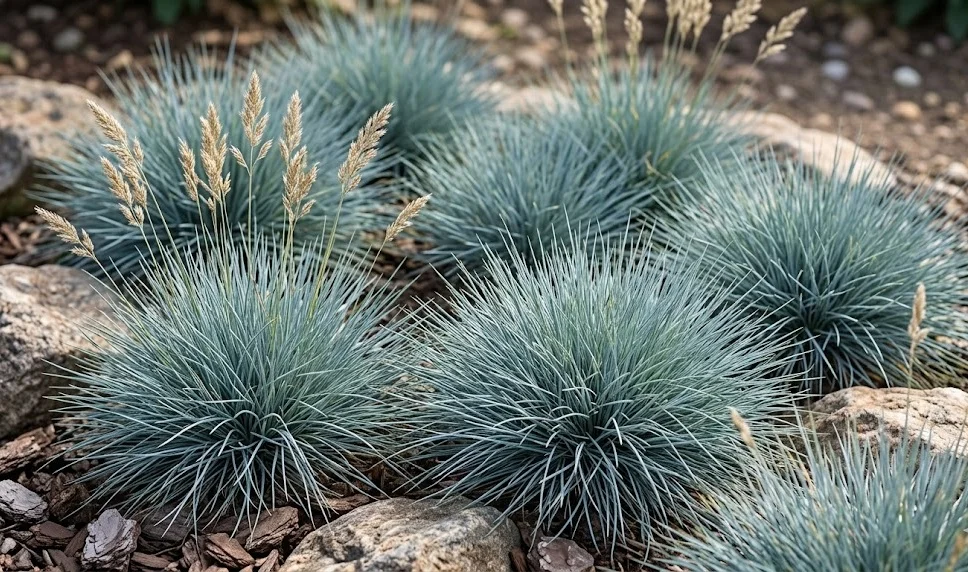

The initial stages of establishing blue fescue in a landscape are critical for its long-term health and visual performance. You must approach the planting process with a clear understanding of the environmental conditions that allow this species to flourish. Proper technique during the first few weeks will determine how well the root system develops and how quickly the plant reaches its mature size. By following a professional methodology, you can create a resilient foundation that supports the plant through various seasonal challenges.
Selecting and preparing the ideal site
The first step in a successful planting project is identifying a location that meets the specific physiological needs of the grass. You must find a spot that receives full sun for the majority of the day to ensure the foliage maintains its blue color. Areas with significant shade will lead to weak, green growth that lacks the compact form desired by most gardeners. A professional assessment of the sun’s path across your property is essential before you begin digging.
Soil preparation is the next crucial element that you cannot afford to overlook if you want lasting results. You should test the drainage of the site by observing how quickly water disappears after a heavy rain or a deep watering. If the water stands for more than an hour, the location is likely too wet for this species and will require significant modification. Incorporating grit or sand into the planting hole can help improve the immediate environment for the roots.
You should also clear the area of any aggressive weeds or competing grasses that might steal nutrients and water from the new arrivals. A clean planting bed reduces competition and allows the fescue to establish itself without unnecessary stress. It is often helpful to cultivate the soil to a depth of several inches to ensure it is loose and aerated. This preparation makes it much easier for the young roots to expand into the surrounding earth.
Finally, consider the overall landscape design and how the placement of these grasses will impact the visual flow of the garden. You should imagine the plants at their full mature size to ensure they have enough room to grow without being crowded. Thinking ahead about the spacing will prevent the need for transplanting later, which can be stressful for the grass. A well-planned site selection is the foundation of a low-maintenance and high-impact garden feature.
More articles on this topic
Professional planting techniques for young starts
When you are ready to put the plants in the ground, handling them with care is essential to minimize transplant shock. You should gently loosen the root ball if the plant has become pot-bound, as this encourages the roots to grow outward into the new soil. Avoid burying the crown too deeply, as this is a common mistake that can lead to rot and plant failure. The top of the root ball should be level with the surrounding soil surface for optimal health.
The actual hole you dig should be twice as wide as the root ball but no deeper than the container the plant came in. This extra width allows you to backfill with improved soil, giving the roots a head start in a supportive environment. You should firmly press the soil down around the base of the plant to remove any large air pockets that could dry out the roots. However, be careful not to compact the soil so much that you hinder the movement of water and air.
Immediate watering after planting is necessary to help settle the soil and provide the moisture needed for the transition. You should apply water slowly at the base of the plant to ensure it reaches the root zone without washing away the surface soil. Even though these grasses are drought-tolerant once established, they need consistent moisture during their first few weeks in the ground. Monitoring the hydration levels during this critical period will ensure a much higher success rate.
Applying a thin layer of light mulch around the new plants can help retain moisture and suppress weed growth while they get established. You should use a material that doesn’t hold too much water, such as a fine gravel or a very light compost. Make sure the mulch does not touch the stems of the grass, as this can trap moisture against the crown and cause problems. A professional finish to the planting process includes this attention to detail that supports the plant’s immediate needs.
More articles on this topic
Dividing existing clumps for propagation
One of the most effective ways to increase your population of blue fescue is through the process of division. You should perform this task in early spring or early autumn when the weather is cool and the plant is in an active growth phase. Dividing older clumps not only gives you new plants for free but also rejuvenates the original specimen by removing dead centers. This is a standard professional practice that keeps a garden looking youthful and vibrant.
To begin the division, you should dig up the entire clump with a sharp spade, making sure to get as much of the root system as possible. Once the plant is out of the ground, you can use a knife or the edge of your spade to cut it into smaller sections. Each new piece should have a healthy portion of roots and several active green or blue shoots. You should discard any parts of the plant that appear dead, woody, or diseased during this process.
Replanting the divisions should follow the same professional guidelines as planting new nursery stock. You must ensure they are placed in well-drained soil and given adequate water to recover from the stress of being moved. Because these divisions already have a developed root system, they often establish themselves very quickly and can reach a good size within a single season. This efficiency makes division the preferred method for many landscape professionals.
Regularly dividing your grasses every few years prevents them from becoming overgrown and unsightly. You will find that the resulting plants are often more vigorous and have better color than the old, congested clumps. It is a rewarding way to expand your garden while maintaining the highest standards of plant health. Sharing these divisions with other gardeners is also a great way to spread the beauty of this versatile species.
Growing blue fescue from seeds
While division is more common, growing these grasses from seed is a viable option for those who need a large number of plants. You should start the seeds indoors in late winter or early spring to give them a long growing season to mature. Use a light, well-draining seed-starting mix and barely cover the seeds with a fine layer of soil or vermiculite. Consistent warmth and light are necessary for successful germination, which usually occurs within two to three weeks.
Once the seedlings have developed a few sets of leaves and are strong enough to handle, you can transplant them into individual pots. You must be careful not to overwater the young plants, as they are susceptible to damping-off and other fungal issues. Gradually acclimating them to outdoor conditions, a process known as hardening off, is essential before they are permanently moved to the garden. This transition helps the tender plants build up the resilience they need for the real world.
Direct sowing in the garden is also possible, although it requires more attention to moisture and weed control. You should prepare the seedbed thoroughly and ensure the soil remains moist until the seedlings are well-established. Because the seeds are small, they can easily be washed away by heavy rain or buried too deeply by shifting soil. A professional approach involves using a light row cover to protect the area until the grass is visible.
You should be aware that plants grown from seed may show some natural variation in color and growth habit. Some might be more silver, while others lean towards a deeper blue or even a greenish tint. This genetic diversity can be interesting in a naturalistic garden but might be a drawback if you want a perfectly uniform look. For consistent results, many professionals prefer to use named cultivars that are propagated vegetatively through division.