
This perennial is remarkably hardy and can survive quite low temperatures if it is properly established in the garden. You should begin your winter preparations in the late autumn as the temperatures start to drop consistently at night. The plant will naturally begin to enter its dormant phase, pulling nutrients from the leaves back into the thick rhizomes. Understanding this natural cycle is the key to ensuring the plant returns with vigor in the following spring.
You should avoid any heavy pruning of the green leaves until they have completely turned brown and died back naturally. These leaves continue to provide energy to the root system as long as they are functional and exposed to light. Once the foliage is dead, you can choose to trim it off or leave it as a natural mulch for the crown. Many gardeners prefer to leave it in place to provide a bit of extra insulation against the coming frost.
The first hard frost will usually signal the end of the growing season for these shade-loving plants in most climates. You will notice the leaves collapsing and turning a dark color as the cellular structure is affected by the freezing temperatures. This is a perfectly normal part of the plant’s life cycle and should not be a cause for concern for the gardener. The vital growing points are safely tucked away beneath the surface of the soil.
If you live in a region with particularly harsh winters, you might consider adding an extra layer of protection to the garden bed. You can use straw, evergreen boughs, or a thick layer of shredded leaves to cover the crowns of the plants. This extra insulation helps to prevent the ground from freezing and thawing repeatedly, which can heave the plants out of the soil. Protecting the root system from extreme fluctuations is the primary goal of winter care.
Preparing for the first deep freeze
Ensuring that the plants are well-hydrated before the ground freezes is a step that many gardeners accidentally overlook. You should continue to water your perennials during dry autumn periods until the first hard freeze arrives at your location. Dry roots are much more susceptible to winter damage than those that are properly hydrated and healthy. A deep watering in late November can provide the moisture the plant needs to survive the long dormant period.
More articles on this topic
You should also take this time to clear away any excessive debris that could harbor pests or trap too much moisture. While a little bit of leaf cover is good, a heavy mat of soggy leaves can encourage rot at the crown of the plant. Maintaining a clean and tidy garden bed will reduce the risk of fungal issues when the weather warms up in the spring. Striking the right balance between protection and sanitation is a skill that comes with experience.
If you have plants growing in containers, you will need to take extra steps to protect them from the winter cold. You should move the pots to a sheltered location or wrap them in burlap or bubble wrap to insulate the root zone. In very cold climates, you might even consider sinking the entire pot into the ground for the winter months. Container-grown plants are much more exposed to temperature extremes than those planted in the earth.
Checking the mulch layer around your plants is another important part of your late-season garden maintenance routine. You should ensure that the mulch is still at the desired depth of about five to eight centimeters across the bed. If it has thinned out, add more organic material to provide a consistent barrier against the cold air. Remember to keep the mulch away from the center of the plant to prevent moisture from being trapped against the stems.
The winter dormancy period
During the winter, the plant is in a state of deep rest and requires almost no active maintenance from the gardener. You will see no visible growth above the ground, but the roots are still alive and waiting for the right conditions to return. It is important to avoid walking on the garden beds during this time to prevent soil compaction over the roots. The structure of the soil is very fragile when it is frozen or saturated with winter rain and snow.
More articles on this topic
Snow cover is actually a very effective natural insulator for your garden plants during the coldest months of the year. You should avoid shoveling heavy, salty snow from driveways or sidewalks directly onto your perennial beds. The salt can be very damaging to the soil chemistry and the health of the plants once the spring thaw begins. If you have a light, clean blanket of snow, it is best to leave it in place as a protective layer.
Rodents like voles or mice can sometimes be a problem during the winter as they look for food under the mulch or snow. You should periodically check around your plants for signs of tunneling or chewing on the exposed crowns of the plants. If you notice damage, you may need to take steps to deter these pests or remove some of the protective cover. Using a wire mesh cage can be a very effective way to protect particularly valuable specimens from winter foragers.
This quiet period in the garden is a great time for you to reflect on the past season and plan for the next. You can think about where you might want to add more plants or how you can improve your maintenance routine for better results. The dormant season is a natural pause that allows both the plants and the gardener to recharge their energy. Success in the spring is built on the patience and preparation you show during the winter months.
Early spring recovery and care
As the days grow longer and the soil begins to warm up, you will start to see the first signs of life returning. You should carefully remove any heavy winter mulches or protective covers before the new shoots get too tall. If you wait too long, the tender new growth can become blanched or distorted under the weight of the covering material. This is an exciting time for any gardener as the garden begins to wake up from its long slumber.
You will see the tiny, tightly furled leaves emerging from the center of the crown as the air temperatures rise. This is the perfect time to apply a light application of balanced fertilizer to support the coming season of growth. You should also check for any signs of frost heaving, where the plant has been pushed partially out of the ground. If this has happened, gently press the plant back into place and add a little fresh soil if necessary.
Gently cleaning up any remaining dead foliage from the previous year will help the new growth look its best and prevent disease. You should use a pair of sharp, clean garden shears to trim away any brown stems or tattered leaves near the base. Be very careful not to damage the delicate new buds that are forming at the center of the plant. This simple act of grooming will make a huge difference in the overall appearance of your spring garden.
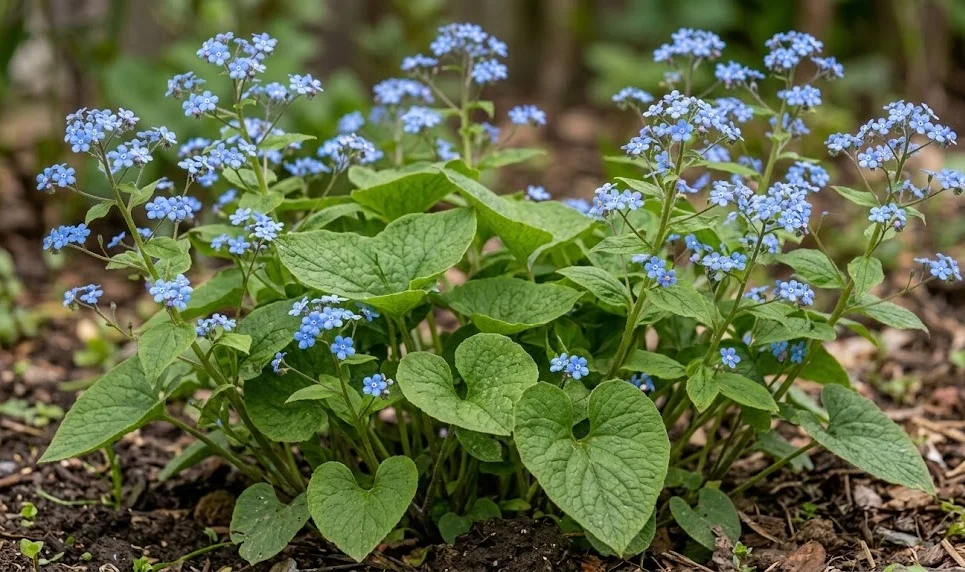
Consistent watering as the weather warms up will help the plants transition out of dormancy and start growing vigorously. You should monitor the soil moisture closely as the new leaves expand and the plant begins to flower in the spring. If the weather is dry, providing supplemental water will ensure that the flowers last as long as possible. Your Caucasian forget-me-not will soon be back in its full glory, rewarding your winter care with beautiful blooms.