
Mastering the art of pruning is a fundamental skill that allows you to direct the growth of your shrubs and maintain their health over many seasons. You must approach this task with a professional understanding of plant anatomy and the natural growth cycles of the species. A well-timed and correctly executed cut can rejuvenate an old plant and encourage a spectacular flush of new flowers and vibrant foliage. This chapter provides the technical knowledge you need to perform professional-level pruning in your own garden space.
Pruning is not just about reducing the size of the plant; it is about improving its structural integrity and promoting better air circulation throughout the canopy. You should focus on removing any dead, damaged, or crossing branches that could become a source of trouble for the rest of the shrub. This professional technique allows the plant to focus its energy on the most productive and healthy parts of its structure. By thinning out the center of the plant, you also reduce the conditions that lead to common garden issues like powdery mildew or black spot.
The timing of your pruning sessions is critical for ensuring that you do not accidentally remove the buds that will form next year’s spectacular floral display. You should generally aim to perform your major maintenance in the late winter or early spring just as the buds are beginning to swell. This allows the plant to heal quickly and put its energy into fresh growth as the temperatures begin to rise for the new season. A professional gardener is always checking the status of the buds and waiting for the perfect moment to pick up their tools.
Consistency in your pruning routine is much more effective than performing massive, infrequent cuts that can shock and weaken the plant. You should aim to do a little bit of maintenance every year to keep the shrub in its ideal shape and size for your specific garden design. This proactive approach prevents the need for drastic interventions that can take several seasons to recover from. Many experts find that a steady, gentle hand is the best way to maintain a professional-looking garden over the long term.
Essential tools and techniques for pruning
To achieve professional results, you must invest in high-quality cutting tools that are designed specifically for the task of managing woody shrubs. You should have a pair of sharp bypass pruners for most of your work, as they provide clean cuts that heal much faster than anvil-style tools. For thicker branches, a sturdy pair of loppers or a small garden saw will give you the leverage and precision you need to make a successful cut. Keeping your blades clean and sharp is a non-negotiable rule that ensures the health and safety of your plants.
More articles on this topic
The technique you use when making a cut is just as important as the tool you have chosen for the job. You should always aim to cut at a slight angle about a quarter of an inch above a healthy, outward-facing bud. This professional method encourages the new growth to move away from the center of the plant, maintaining an open and airy structure. Avoid leaving long stubs, as these can die back and provide an entry point for pests or diseases into the main body of the shrub.
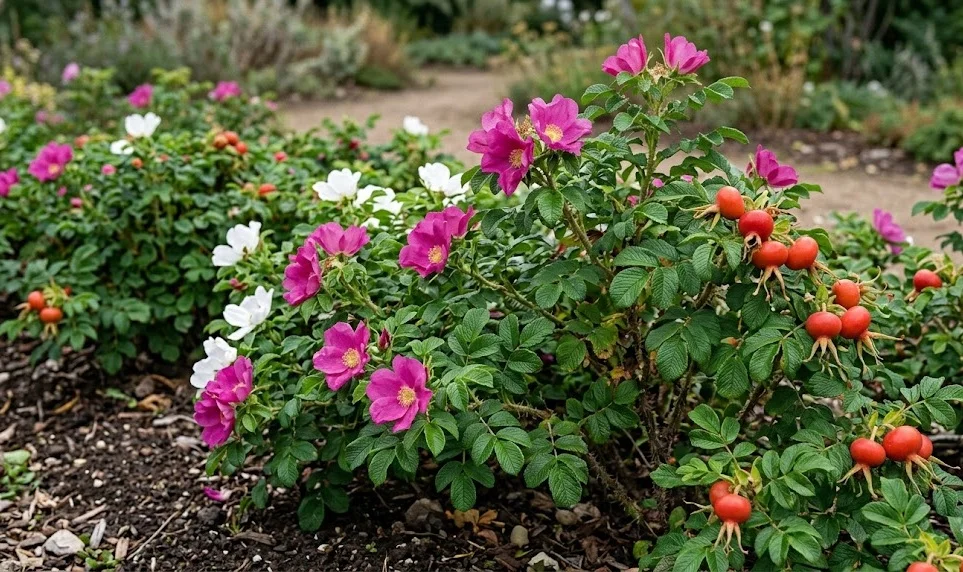
When you are working with this particular variety, you must be very careful of the dense and sharp thorns that cover the stems from top to bottom. You should wear heavy-duty gloves and long sleeves to protect yourself from scratches and punctures while you are working within the canopy. A professional gardener respects the natural defenses of their plants and takes the necessary precautions to stay safe and comfortable. Having the right protective gear allows you to focus more effectively on the technical aspects of your pruning tasks.
After you have completed your pruning, you should take the time to clean up all the removed material and dispose of it correctly. You must never leave pruned branches lying around the base of the plant, as they can harbor unwanted organisms and detract from the beauty of your garden. A professional workspace is always kept clean and organized, reflecting the care and attention that you put into every aspect of your horticultural work. This final step is an essential part of maintaining a healthy and productive outdoor environment for your botanical collection.
Strategic rejuvenation and thinning
Over time, older rose bushes can become overly woody and less productive than they were in their younger years. You can use a professional technique known as rejuvenation pruning to bring these specimens back to life and encourage fresh, vigorous growth. This involves removing about one-third of the oldest stems right down to the ground each year over a three-year period. By the end of this cycle, you will have a completely renewed plant that is much healthier and more aesthetically pleasing.
More articles on this topic
Thinning is another strategic method that involves removing entire stems to reduce the density of the shrub without significantly changing its overall size. You should focus on taking out the weakest or most poorly positioned branches to allow more light and air into the heart of the plant. This professional approach improves the quality of the remaining foliage and flowers while maintaining the natural form and habit of the species. A well-thinned shrub is more resilient to environmental stresses and looks much better in a formal or semi-formal garden setting.
You should also keep an eye out for any “suckers” or unwanted shoots that may emerge from the base of the plant or below the soil line. You must remove these quickly as they can sap energy away from the main stems and disrupt the planned structure of your garden design. A professional gardener is always monitoring the growth patterns of their plants and making the necessary adjustments to keep them on track. This attention to detail is what separates a truly spectacular garden from one that is merely functional.
Finally, consider the impact of your pruning on the production of the decorative hips that are such a prized feature of this variety. You should avoid heavy pruning after the flowers have faded if you want to enjoy the large, orange-red fruits during the autumn and winter months. A professional balance between maintaining shape and allowing for seed production is a key part of successful garden management. By thinking ahead to the different seasons, you can ensure that your garden remains a source of beauty and interest all year long.