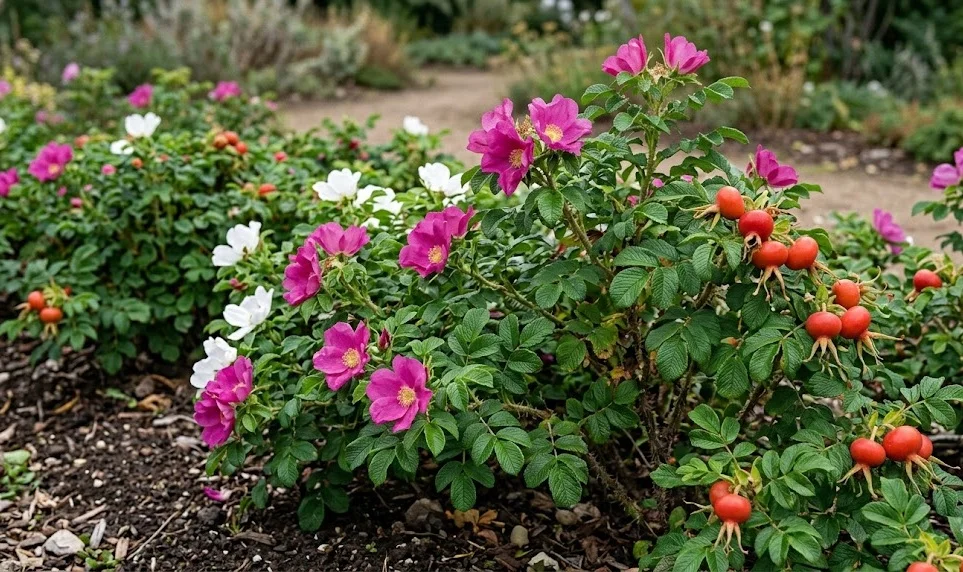

Preparing your garden for the cold months is a critical part of the annual cycle that ensures your plants return with vigor in the spring. You must adopt a professional approach to winterization, taking into account the specific hardiness of the species and the severity of your local climate. While these roses are famous for their ability to withstand harsh conditions, a little extra care can make a huge difference in their long-term health. This guide outlines the essential steps for successfully overwintering your botanical collection.
Winter care begins long before the first frost arrives, with a gradual shift in your maintenance routine as the days become shorter. You should stop providing heavy nitrogen fertilizers in the late summer to allow the new growth to harden off and become more resilient to the cold. This professional strategy prevents the formation of tender tissue that would be easily damaged by freezing temperatures. By working with the plant’s natural rhythm, you are setting it up for a successful period of dormancy and rest.
Cleaning up the area around the base of your shrubs is a vital task that should be completed before the snow begins to fall. You must remove any fallen leaves or organic debris that could provide a hiding place for pests or harbor fungal spores over the winter. This simple act of hygiene is a professional standard that significantly reduces the risk of problems emerging as the weather warms up in the spring. A clean garden bed is not only more aesthetically pleasing during the winter but also much healthier for the plants.
Monitoring the moisture levels in the soil during the late autumn is another important aspect of professional winter preparation. You should ensure that the ground is well-hydrated before it freezes, as plants can continue to lose moisture through their stems even in the winter. Dry soil freezes more deeply and can cause more stress to the root system than earth that has a healthy amount of hydration. A final, deep watering session in the late autumn is a professional technique for protecting your investment from the drying effects of winter winds.
Protecting the root system
The roots are the most vital part of the plant, and protecting them from extreme temperature fluctuations is a top priority for any expert gardener. You should apply a thick layer of organic mulch around the base of each shrub to act as an insulating blanket against the frost. This barrier helps maintain a more stable soil temperature and prevents the cycle of freezing and thawing that can push plants out of the ground. Use materials like wood chips, straw, or compost to provide the best protection for your valuable specimens.
More articles on this topic
In regions with exceptionally cold winters, you might consider mounding extra soil or mulch directly over the crown of the plant for added security. This professional method provides an extra layer of insulation for the most sensitive part of the shrub where the stems meet the roots. You should wait until the ground has started to freeze before applying this extra protection to avoid attracting rodents who might be looking for a warm place to nest. This strategic timing is a hallmark of an experienced practitioner who understands the nuances of the local environment.
Ensuring that your drainage systems are clear and functioning correctly is also essential for protecting the roots during the winter months. You should check that water can flow away from the base of the plants and does not collect in low spots where it could freeze and cause damage. Ice buildup around the root zone can deprive the plant of oxygen and lead to significant health issues as the season progresses. A professional garden design always takes these winter drainage requirements into account during the initial planning stages.
Avoid any heavy digging or soil disturbance near the base of your roses once the winter preparation process has begun. You want to leave the root system as stable and undisturbed as possible while the plant is in its dormant state. Any accidental damage to the roots during the cold months can be much more difficult for the shrub to recover from than it would be during the active growing season. A professional approach involves a hands-off strategy once the initial protective measures have been put into place.
Managing the stems and structure
While the stems are quite rugged, they can still be susceptible to damage from heavy snow, ice, or strong winter winds. You should inspect the structure of your shrubs and provide extra support for any long or exposed branches that might be at risk. Using simple stakes or ties can help keep the plant secure and prevent breakage during the most severe weather events of the season. This proactive management is a professional way to preserve the shape and integrity of your garden design year-round.
More articles on this topic
In very exposed or windy locations, you might consider creating a temporary windbreak using burlap or other protective materials. You should wrap the material loosely around the shrub or attach it to a frame to block the harshest of the winter breezes. This technique prevents the stems from drying out too much and reduces the risk of physical damage from blowing debris or ice. A professional gardener is always thinking about the specific challenges of their site and finding creative solutions to protect their plants.
Avoid the temptation to perform any major pruning or cutting back during the late autumn or early winter months. You should leave the spent flowers and hips on the plant as they provide extra protection for the buds that will form next year’s growth. The seeds within the hips also serve as an important food source for local birds during the winter, adding an extra layer of value to your garden. A professional gardener knows that sometimes the best thing to do is simply leave nature alone and wait for the appropriate time to act.
If you notice any significant damage to the stems after a winter storm, you should wait until a mild day to perform any necessary repairs. You must use clean, sharp tools to remove any broken or split wood to prevent the entry of pests or diseases. Applying a protective sealant is generally not necessary for this hardy variety, as they have a natural ability to heal their own wounds. Monitoring the condition of your plants throughout the winter is a mark of a dedicated and professional horticulturist who cares about the details.
Early spring transition
As the temperatures begin to rise and the days get longer, you will need to start the process of waking your garden up from its winter sleep. You should gradually remove the extra layers of mulch and soil from around the base of the plants as the risk of hard frost passes. This allows the sun to warm the earth and encourages the roots to start their active growth for the new season. A professional transition is handled with care to avoid shocking the plants with sudden changes in their environment.
This is the perfect time to perform a thorough inspection of the entire shrub and assess how it has fared over the cold months. You should look for any signs of winter kill or dieback on the tips of the stems and plan to prune them away as the buds begin to swell. A professional cleanup in the early spring sets the stage for a productive and beautiful year in the garden. By removing the damaged parts early, you allow the plant to focus all its energy on fresh, healthy growth.
Testing the soil again in the spring is a professional way to see how the winter has affected the nutrient levels and pH of your garden beds. You might find that you need to add some fresh organic matter or a balanced fertilizer to give your roses the best possible start. This initial feeding is critical for the development of the foliage and the first flush of flowers that will define the early part of the season. A well-prepared gardener is always ready to provide the necessary support for their plants as they re-enter the active growth phase.
Finally, take a moment to reflect on your wintering successes and any challenges you faced during the colder months of the year. You should note which techniques worked best for your specific location and which ones might need some adjustment for next winter. Sharing these experiences with other professionals in your field can lead to improved results and a deeper understanding of plant care. A professional garden is a constantly evolving project that reflects the growing knowledge and skill of the person who creates it.