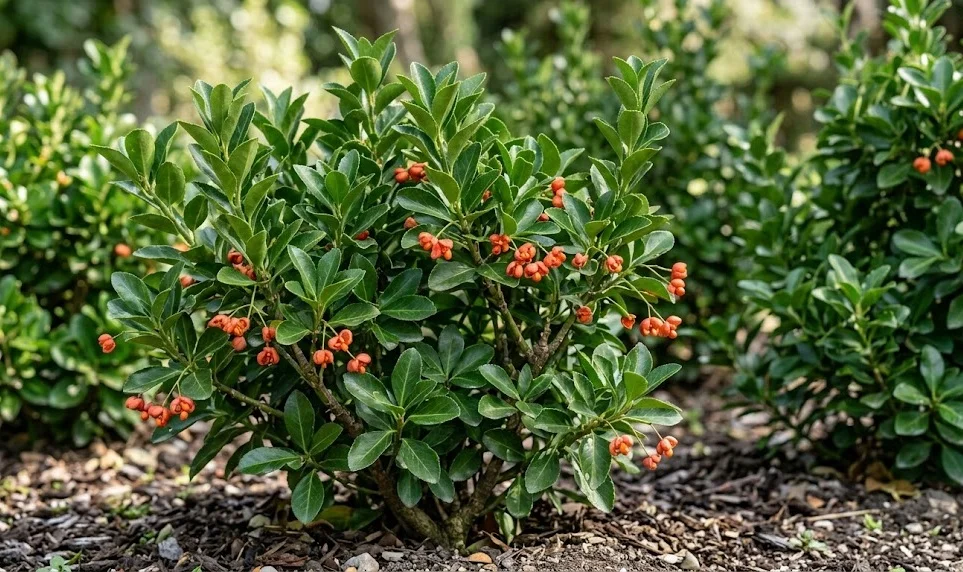

Successful establishment of this shrub begins with choosing the right location and preparing the site with care and attention. You should look for a spot that offers a balance between environmental protection and enough space for the plant to reach its full size. The planting process itself is straightforward, but doing it correctly will significantly reduce transplant shock. A well-planted shrub will establish its root system much faster and begin producing new growth within the first season.
Before you dig the hole, take some time to clear the area of any weeds or competing vegetation that might steal nutrients. The hole should be twice as wide as the root ball to allow the new roots to penetrate the surrounding soil easily. You can mix some compost into the backfill soil to provide a gentle boost for the initial establishment phase. Make sure the plant sits at the same depth as it was in its nursery container to avoid stem rot.
Propagating new plants from cuttings is an effective and rewarding way to expand your garden collection. You should take semi-hardwood cuttings during the mid-summer months when the wood is firm but still flexible. Each cutting should be about ten to fifteen centimeters long and stripped of its lower leaves before planting. Using a rooting hormone can increase your success rate, although these plants often root quite well even without it.
Layering is another reliable method you can use if you want to create new plants without removing them from the parent. You simply bend a low-growing branch to the ground and bury a small section of it under the soil. Keeping the buried section moist will encourage root development over several months. Once a strong root system has formed, you can sever the new plant from the original and move it to its new home.
Growing these shrubs from seeds is possible, though it requires more patience and specific conditions for germination. You will need to harvest the seeds from mature berries and clean them thoroughly before any planting takes place. Cold stratification is often necessary to mimic the natural winter cycle and break the seed’s dormancy. While it takes longer than cuttings, growing from seed allows you to produce a large number of plants for extensive hedging projects.