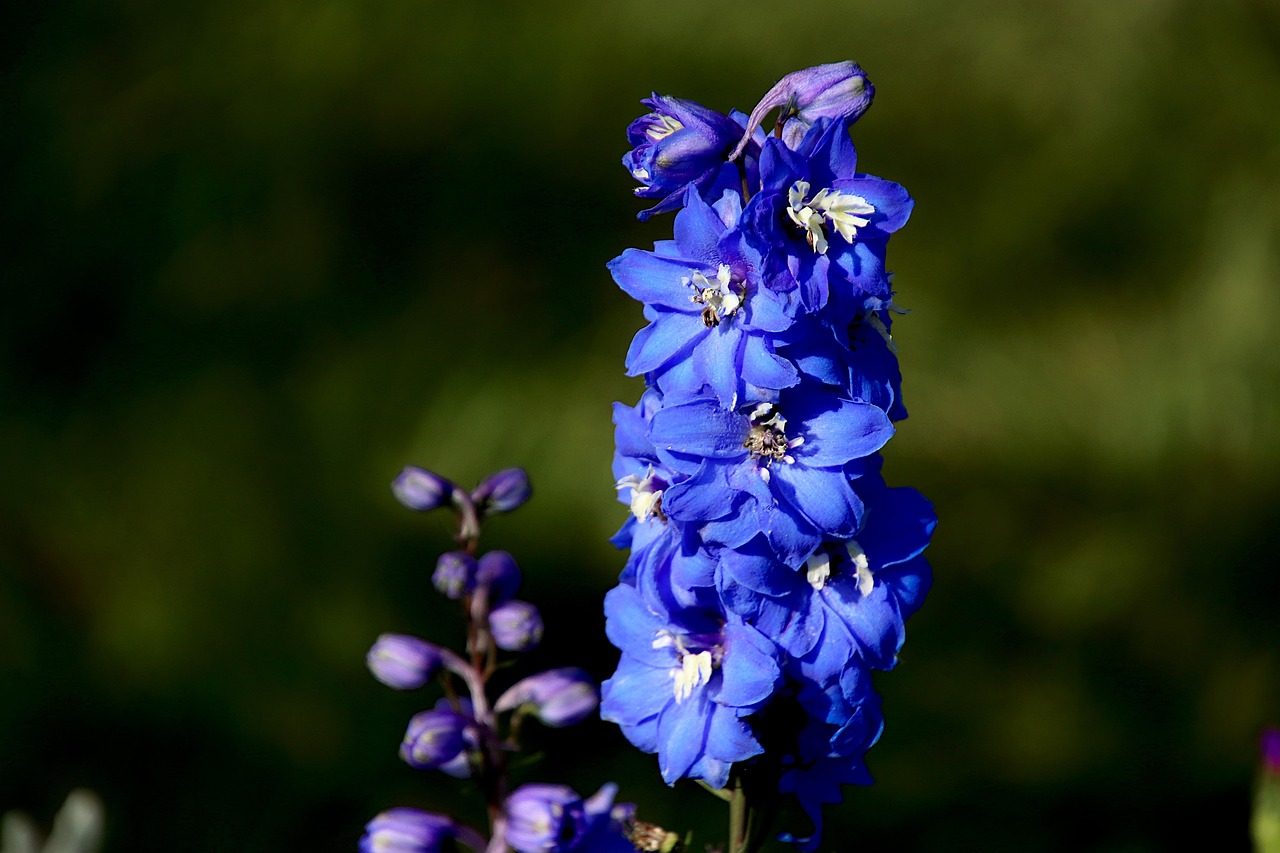

Understanding the specific relationship between sunlight and the growth cycle of these tall perennials is vital for any serious gardener. To achieve those iconic, towering spikes of flowers, you must provide the exact balance of light intensity and duration. The process of selecting the right site in your garden involves observing shadows throughout the day and understanding your local microclimate. By mastering the light requirements of these plants, you can ensure they remain vigorous and bloom with maximum intensity.
Optimizing daily sunlight exposure
These magnificent flowers are true sun-lovers and require a significant amount of direct light to reach their full potential. You should aim to provide them with at least six to eight hours of full sun every day during the growing season. Without enough light, the stems will become weak and “leggy” as they stretch toward the sun, making them much more likely to fall over. Intense light also plays a key role in the development of the deep, rich colors for which these plants are famous.
Morning sun is particularly beneficial because it helps to dry the dew off the leaves quickly, reducing the risk of fungal diseases. If you have a choice, an east or south-facing location in your garden is usually the most productive spot. The gentle warmth of the early sun stimulates the plant’s metabolism without the stress of extreme afternoon heat. This early start to the day allows the plant to maximize its photosynthesis and build the energy needed for its massive blooms.
While they crave light, the quality of the sunlight can vary depending on your geographic location and the time of year. In northern regions, the sun is less intense, and the plants can easily handle being in the sun for the entire day. In southern or more Mediterranean climates, the midday sun can be very harsh and may cause the soil to dry out too quickly. Finding the right balance for your specific garden is a skill that comes with observation and experience over several seasons.
Shadows from nearby trees, buildings, or large shrubs can change significantly as the summer progresses. It is a good idea to monitor your chosen planting site at different times of the day before you put the plants in the ground. What looks like a sunny spot in May might be in deep shade by July as the trees leaf out or the sun’s path changes. Ensuring a consistent supply of light throughout the entire blooming period is essential for professional-grade results.
More articles on this topic
Balancing heat and light intensity
One of the greatest challenges in growing these perennials is that they love bright light but often struggle with high temperatures. In regions where summer afternoons are scorching, the plants can experience heat stress even if they have plenty of water. You might notice the leaves wilting or the flower spikes bending during the hottest part of the day. This is the plant’s way of protecting itself by reducing the surface area exposed to the direct sun.
Providing some light, filtered shade during the hottest hours of the afternoon can be a game-changer in warmer climates. A location that receives full sun until two or three in the afternoon and then moves into partial shade is often ideal. This protects the delicate flower tissue from burning and helps the soil retain its moisture for longer. You can achieve this effect by planting near a tall, airy shrub or by using a temporary lattice structure.
Air temperature and light intensity are closely linked, and both affect how the plant manages its internal water supply. When the sun is very bright and the air is hot, the plant loses water through its leaves at a much faster rate. This is why consistent soil moisture is so important for sun-loving plants that are grown in open, exposed areas. Using a thick layer of mulch will help keep the root zone cool even when the foliage is in full sun.
Reflected light from light-colored walls or fences can also increase the intensity of the sun and the surrounding heat. While this can be helpful in very cool climates, it can be too much for these perennials in an already warm garden. If you notice the leaves on one side of the plant looking scorched, it might be due to this extra reflected radiation. Understanding these subtle environmental factors is what separates a master gardener from a casual hobbyist.
More articles on this topic
Light conditions for specific cultivars
Not all varieties of these flowers have exactly the same light requirements, and some modern hybrids have been bred for specific conditions. Some of the shorter, more compact varieties are often a bit more tolerant of partial shade than the giant, traditional types. It is always worth reading the nursery labels or catalog descriptions carefully to see if a particular cultivar has special needs. Experimenting with different varieties will help you find the ones that perform best in your garden’s unique light profile.
The color of the flowers can also be affected by the amount and intensity of the light they receive. Deep blues and purples often look their best and most saturated when they have plenty of bright sun. However, very intense sun can cause some of the softer pastel colors, like pale pink or lavender, to fade more quickly. If you are growing these for competition or professional photography, light management becomes even more critical for preserving color quality.
Plants grown in less-than-ideal light will often produce fewer flowers and have smaller individual blossoms. You might also find that the flowering period is shorter because the plant doesn’t have the energy to sustain a long display. If you see your plants struggling year after year despite good watering and feeding, they may simply need more light. Don’t be afraid to move your plants to a sunnier spot in the garden during their dormant phase in early spring.
Finally, remember that young seedlings and newly transplanted specimens are much more sensitive to intense light than established plants. You should always provide a bit of temporary shade for a few days after moving a plant into a full-sun location. This allows the roots to settle in and begin drawing water before the leaves are asked to work at full capacity. Proper light management is a continuous process that changes with the seasons and the lifecycle of the plant.
The pursuit of those iconic, towering Delphinium spikes is inextricably linked to the quantity and quality of sunlight the plant receives. In my professional observations, a minimum of 6 to 8 hours of direct, unobstructed sunlight is necessary for optimal stem strength and floral density. Without this intensity, the plant undergoes etiolation, resulting in weak, spindly stems that are incapable of supporting the weight of the massive flower spikes. However, a critical nuance for many gardeners is the importance of a “cool” root zone. While the foliage and flowers thrive in the sun, the roots prefer the cooler temperatures often found in slightly more shaded or mulched soil. A clever design solution is to plant lower-growing perennials around the base of the larkspur to shade the soil while allowing the spikes to rise into the full sun.
That suggestion of using lower-growing plants to shade the roots is exactly what I needed to hear, Dr. Vance! I have a very sunny spot that I’ve been hesitant to use for my larkspur because the soil gets so hot in the summer. I think I’ll try planting some hardy geraniums or perhaps some lavender around the base to provide that necessary shade. It’s a great way to combine aesthetics with the plant’s physiological needs. I’ve noticed that the stems on my current plants are a bit “floppy,” so the extra sun will hopefully help with that as well. Thank you for the technical explanation.
I’m gardening in a city where shadows from tall buildings can change significantly throughout the day. I’ve found that using a sun-mapping app on my phone has been incredibly helpful in finding the perfect spot for my sun-loving perennials like larkspur. It’s surprising how a spot that looks sunny at 10:00 AM can be in deep shade by 2:00 PM. I’ve also noticed that the light reflecting off a nearby white wall can actually provide a significant boost to the light intensity. Has anyone else used reflective surfaces to help their sun-hungry plants? It seems like a great “city gardener” hack.
Is there a difference in light requirements between the different color varieties of larkspur? I’ve noticed that my deep blue and purple varieties seem to hold their color much better in a spot that gets a bit of light afternoon shade. In the full, intense midday sun, the colors can sometimes look a bit “bleached” or washed out. On the other hand, the white and pale pink varieties seem to thrive in as much sun as I can give them. I’d love to know if there’s any scientific evidence for this, or if it’s just a matter of visual perception.
That’s a very interesting observation, Marcus! I have noticed the same thing with my ‘Cobalt Dreams’ Delphiniums. They are a much more intense blue when they have a little bit of protection from the hottest part of the day. I think it might be related to the stability of the anthocyanin pigments that give the flowers their color. High temperatures and intense UV light can sometimes cause these pigments to break down more quickly. It’s a subtle but important detail for anyone who wants to maximize the visual impact of their garden. I’ll definitely be more mindful of where I plant my dark blue varieties from now on.
How do you handle the transition of young plants from a greenhouse to the full sun of the garden? I’ve heard that “hardening off” is essential to prevent leaf scorch. I’m planning on moving my larkspur seedlings out in a few weeks and I want to make sure I don’t shock them too much. I was thinking of starting with just an hour or two of direct sun and slowly increasing it over a week. Is that a good approach, or do they need a more cautious transition? Any advice for a successful move would be much appreciated.