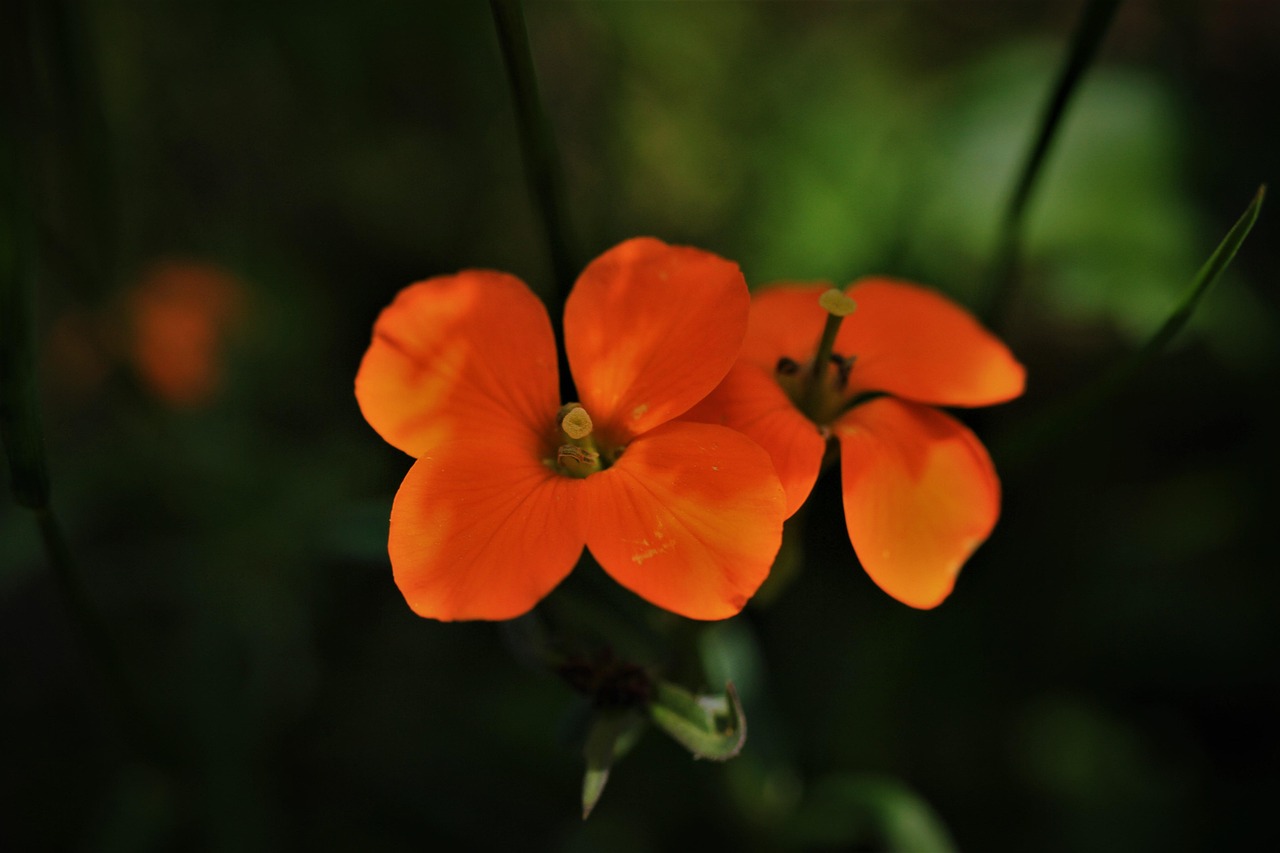

Successful establishment of wallflowers begins with a clear understanding of the planting process and timing. Whether you are starting from seeds or using young nursery plants, the initial steps are crucial for future success. Timing your planting according to the local climate ensures that the root system develops properly. A well-planned approach to propagation allows you to fill your garden with these fragrant blooms every year.
Starting wallflowers from seed is a rewarding process that offers a wide variety of color options. Most gardeners sow the seeds in late spring or early summer for blooms in the following year. The seeds should be sown thinly in a dedicated seedbed or in trays with high-quality compost. Keeping the soil consistently moist but not saturated is key to successful germination within a few weeks.
Once the seedlings have developed their first true leaves, they may need to be thinned out to prevent crowding. This ensures that each small plant has enough light and nutrients to grow strong and healthy. If you are growing them in trays, this is the time to prick them out into individual pots. Providing a bit of liquid feed at this stage can help the young plants establish more quickly.
Transplanting the young wallflowers to their final flowering position usually happens in the early autumn. This gives the plants enough time to settle into their new home before the winter cold sets in. It is important to dig a hole that is slightly larger than the root ball to encourage expansion. Firming the soil around the base of the plant prevents air pockets that could dry out the roots.
Seedbed preparation and sowing
Preparing the soil for sowing requires a bit of patience and attention to detail for the best results. The area should be cleared of all weeds and large stones that could obstruct the emerging seedlings. Raking the soil to a fine, crumbly texture creates an ideal environment for small seeds to take hold. This preparation ensures that the delicate roots can penetrate the ground without any difficulty.
More articles on this topic
Sowing the seeds at the correct depth is vital for consistent and healthy germination across the bed. Generally, wallflower seeds only need a light covering of soil or fine vermiculite to stay protected. If they are buried too deeply, they may struggle to reach the surface before their energy reserves are depleted. A shallow drill about half an inch deep is usually sufficient for most varieties.
Watering the seedbed gently with a fine rose on the watering can prevents the seeds from being washed away. It is important to keep the surface damp until the first green shoots appear above the ground. If the weather is particularly hot, you might need to water the area twice a day. Consistent moisture levels are the most important factor during the first two weeks of growth.
Labeling your seed rows is a simple but essential step for any organized gardener. This helps you keep track of different varieties and prevents accidental weeding of the young plants. It also allows you to monitor the germination rate and health of specific batches more effectively. Good record-keeping is a hallmark of a professional approach to garden propagation.
Seedling care and hardening off
As the seedlings grow, they require careful monitoring to ensure they are not becoming leggy or weak. Providing adequate light is the most important factor in developing a sturdy and compact plant structure. If the plants are growing in a greenhouse, they should be moved to a cooler, brighter spot as they mature. This transition prepares them for the more demanding conditions of the outdoor garden.
More articles on this topic
Hardening off is a gradual process that introduces the young plants to the outside world over several days. Start by placing them outside in a sheltered spot for a few hours during the warmest part of the day. Gradually increase the time they spend outdoors and expose them to a bit more wind and sun. This prevents the plants from experiencing transplant shock when they are finally moved to the ground.
During the growth phase, you should check the undersides of the leaves for any early signs of pests. Aphids are particularly fond of young, tender growth and can quickly damage a whole batch of seedlings. Using a gentle spray of water or an organic soap solution can keep these pests under control. Healthy seedlings are much more likely to survive the winter and bloom beautifully in the spring.
If you notice the seedlings are turning a bit pale, it might be a sign that they need a light feeding. A balanced, diluted liquid fertilizer can provide the necessary nutrients for continued growth and development. However, avoid over-fertilizing, as this can lead to soft growth that is more susceptible to frost. Moderation is always the best policy when it comes to feeding young and developing plants.
Advanced propagation techniques
While seeds are the most common method, wallflowers can also be propagated through cuttings in some cases. This is particularly useful if you have a specific plant with a color or habit that you want to replicate. Taking semi-ripe cuttings in the late summer offers the best chance of successful rooting before the winter. Use a sharp, clean knife to take a three-inch cutting from a healthy, non-flowering shoot.
Dip the base of the cutting in a rooting hormone to encourage faster and stronger root development. Place the cuttings in a pot filled with a mix of sharp sand and compost for excellent drainage. Keeping the pot in a humid, shaded environment helps prevent the foliage from drying out while roots are forming. With a bit of luck, the cuttings will be ready to pot on within six to eight weeks.
Dividing established plants is another way to increase your stock, although it is less common for this species. This should be done carefully to ensure that each section has a good amount of roots and at least one growing point. It is best performed in the early spring just as the plant is waking up from dormancy. Replant the sections immediately and water them well to help them settle into their new locations.
Experimenting with different propagation methods can be a fascinating way to learn more about plant biology. Keeping a garden journal of your successes and failures helps you refine your techniques over the years. You might find that some varieties respond better to specific methods or timings in your particular garden. Professional gardening is often about this kind of careful observation and adjustment over time.
The key to successful wallflower establishment is definitely in the soil preparation, as they absolutely despise “wet feet” during the winter. I always recommend adding a generous amount of horticultural grit if you are working with heavy soil. In my experience, planting them out in late September allows the roots to settle while the soil is still warm from the summer. This lead time is crucial for them to withstand the first frosts without being heaved out of the ground. I’ve also found that firming the soil around the base of each plant prevents them from rocking in the wind, which can damage the delicate collar of the stem. It’s these small technical details that make a professional-looking display in the spring.
I’ve had great success starting wallflowers from seed in a dedicated nursery bed in June. By the time autumn rolls around, you have sturdy, well-branched plants that are much tougher than many of the spindly ones you find in garden centers. The trick is to transplant them to their final flowering position before the ground gets too cold. I also pinch out the growing tips when they are about 10cm tall to encourage a more bushy habit. This results in far more flower spikes per plant and a much more impactful color display. Has anyone tried the “bare root” planting method for wallflowers lately?
Samuel, I actually prefer the bare-root method for my large-scale plantings! They are usually much cheaper to buy in bulk and, if planted correctly in October, they establish beautifully. You just have to be careful not to let the roots dry out even for a minute before they go into the ground. I usually soak mine in a bucket of water for an hour before planting. They might look a bit sad for a week or two, but they quickly pick up and often outperform the pot-grown ones by spring. It’s a very traditional method that still holds up today.