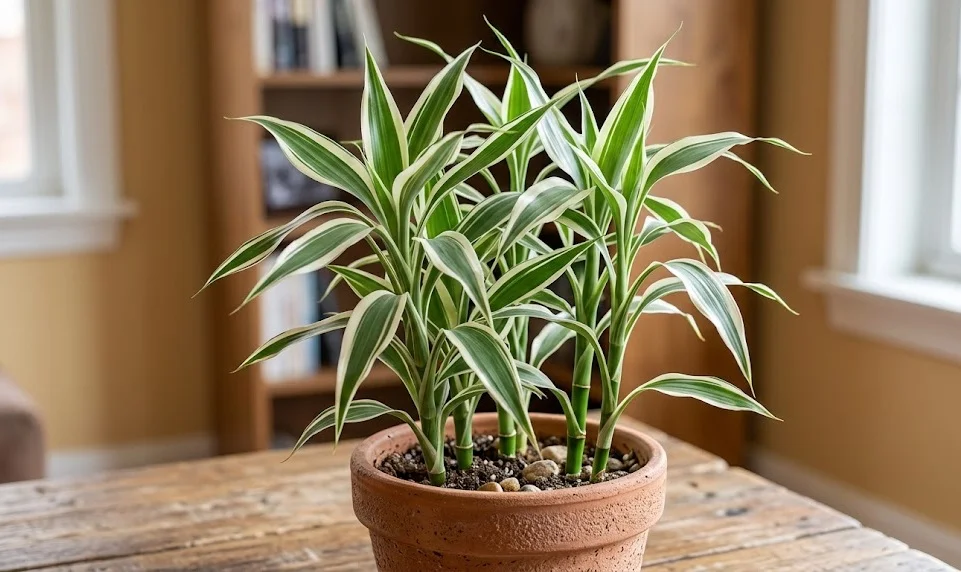

Even the most carefully managed dragon tree can occasionally fall victim to pests or diseases that can threaten its health and beauty. These problems often arise when the plant is stressed by its environment or when unwanted visitors are introduced from outside sources. Being able to identify the early signs of trouble is the most important skill you can develop as a responsible plant owner. Prompt action can often mean the difference between a quick recovery and the loss of a prized specimen from your indoor collection.
Pests like spider mites, mealybugs, and scale are common issues that every indoor gardener will likely encounter at some point. These tiny creatures feed on the sap of the plant, weakening it over time and causing the leaves to become distorted or discolored. They often hide in the crevices of the stem or on the undersides of the leaves, making them difficult to spot at first glance. A professional approach involves regular inspections and the use of targeted treatments that are safe for both the plant and your home.
Diseases in dragon trees are often related to fungal or bacterial infections that thrive in conditions that are too wet or poorly ventilated. Root rot is perhaps the most serious threat, as it attacks the plant from below and is often well-advanced before any visible signs appear on the foliage. Leaf spot diseases can also occur, leading to unsightly patches that can spread if they are not managed properly. Understanding the underlying causes of these diseases will help you prevent them from taking hold in the first place.
This article will provide you with the professional knowledge you need to protect your white-edged dragon tree from its most common enemies. We will explore the lifecycle of various pests and the environmental factors that contribute to the spread of disease. You will also find practical advice on both natural and chemical treatments that can help you restore your plant to full health. With a bit of vigilance and the right techniques, you can keep your dragon tree thriving and pest-free for many years.
Managing common insect pests
Spider mites are one of the most frequent pests found on dragon trees, especially in dry indoor environments where they thrive. These microscopic arachnids cause the leaves to look speckled or dusty, and in severe infestations, you might see fine webbing between the leaves and stems. To combat them, you should increase the humidity around the plant and regularly wash the foliage with a strong stream of water. If the problem persists, using a solution of neem oil or insecticidal soap can effectively reduce their numbers without harming the plant.
More articles on this topic
Mealybugs are another common nuisance that appear as small, white, cottony clusters in the leaf axils and along the stems. They are slow-moving but can cause significant damage by sucking the life out of the plant and excreting a sticky substance known as honeydew. You can treat localized infestations by dabbing the individual bugs with a cotton swab dipped in rubbing alcohol, which kills them instantly on contact. For larger outbreaks, a thorough application of an organic pesticide may be necessary to reach all the hidden areas where they might be hiding.
Scale insects often look like small, brown, waxy bumps on the stems and leaves rather than typical moving bugs. They attach themselves firmly to the plant and can be quite difficult to remove because their hard shells protect them from many contact sprays. You can carefully scrape them off with a fingernail or a soft brush, but you must be thorough to ensure you remove all the tiny eggs hidden underneath. Systemic insecticides that are absorbed by the plant can also be effective against scale, as the insects ingest the poison while feeding on the sap.
Fungus gnats are more of a nuisance than a direct threat to the plant’s health, but their presence indicates that the soil is staying too wet. These tiny black flies lay their eggs in the top layer of moist soil, and the larvae feed on decaying organic matter and occasionally the plant’s roots. The best way to eliminate them is to let the soil dry out more thoroughly between waterings and to use yellow sticky traps to catch the adult flies. Covering the soil surface with a layer of sand or decorative gravel can also prevent the gnats from laying their eggs in the first place.
Identifying and treating fungal diseases
Root rot is a devastating condition caused by various fungal pathogens that thrive in waterlogged soil where oxygen levels are low. The first signs are often yellowing leaves and a general lack of vigor, followed by the collapse of the stem as the roots begin to decay. To confirm root rot, you must remove the plant from its pot and inspect the roots for any that are brown, mushy, or have a foul smell. Healthy roots should be firm and white or light tan in color, indicating that they are actively absorbing water and nutrients.
More articles on this topic
If you catch root rot early enough, you may be able to save the plant by trimming away all the affected roots and repotting it in fresh, sterilized soil. You should also treat the remaining healthy roots with a mild fungicide or a solution of hydrogen peroxide to kill any lingering fungal spores. After repotting, it is critical to address the underlying cause, which is usually overwatering or a pot with poor drainage. Give the plant time to recover in a warm, bright spot and be extremely careful with your watering routine moving forward.
Leaf spot diseases manifest as circular or irregular brown or black spots on the foliage, often surrounded by a yellow halo. These are usually caused by fungal or bacterial infections that spread through water droplets when the leaves stay wet for too long. To prevent leaf spot, avoid getting water on the foliage when you are watering and ensure there is plenty of air circulation around the plant. If you see affected leaves, remove them immediately and dispose of them in the trash to prevent the spores from spreading to other parts of the plant.
Powdery mildew can sometimes appear as a white, flour-like coating on the surface of the leaves, especially in humid and stagnant conditions. While it is less common on dragon trees than on other houseplants, it can still weaken the plant and make it look unattractive. You can treat powdery mildew with a mixture of baking soda, water, and a small amount of liquid soap, or by using a commercial fungicide. Improving the air movement in the room and reducing the humidity slightly can also help prevent this fungal issue from returning in the future.
Environmental stress and its symptoms
Many issues that look like diseases or pest damage are actually the result of environmental stress caused by improper care or a poor location. For example, brown and crispy leaf tips are almost always a sign of low humidity or a reaction to the minerals found in tap water. This is not a disease that will spread, but it is a clear signal that the plant is not happy with its current environment. Adjusting your watering source and increasing the air moisture will usually stop the problem from progressing further on new leaves.
Yellowing of the lower leaves is often a natural part of the plant’s growth process as it matures and focuses its energy on new growth at the top. However, if many leaves turn yellow at once, it could be a sign of a sudden temperature change or a significant draft from a nearby window. Dragon trees are very sensitive to cold, and exposure to temperatures below ten degrees Celsius can cause them to drop their leaves in a display of stress. Always ensure that your plant is kept in a stable, warm environment away from any extreme fluctuations in temperature.
If the plant’s leaves appear pale or washed out, it may be receiving too much direct sunlight, which can lead to a condition known as leaf scorch. This results in bleached or brown patches on the foliage that will never turn green again, even if the plant is moved to a better location. You should provide bright but filtered light to maintain the vibrant contrast of the variegation without risking the health of the delicate tissues. Observing how the plant reacts to its current position will help you find the perfect balance of light for its specific needs.
Drooping or wilting of the entire plant can be caused by both extreme underwatering and severe root damage from overwatering. If the soil is bone dry and the plant is wilting, a good drink of water will usually see it recover within a few hours as the cells regain their turgor pressure. However, if the soil is wet and the plant is still wilting, it means the roots are no longer functional and cannot take up the water they are sitting in. This is a critical situation that requires immediate intervention to save the plant from permanent damage or death.
Prevention strategies for a healthy garden
The best way to deal with pests and diseases is to prevent them from entering your home and attacking your plants in the first place. You should always quarantine any new plants you bring home for at least two weeks to ensure they are not harboring any hidden visitors. During this time, keep them in a separate room and inspect them daily for any signs of mealybugs, mites, or unusual leaf spots. Only when you are certain the plant is clean should you introduce it to the rest of your indoor garden collection.
Maintaining a clean growing area is another essential part of a professional prevention strategy for any gardener. You should regularly remove any fallen leaves or debris from the surface of the soil, as these can provide a hiding place for pests and a breeding ground for fungi. Wiping down the leaves of your dragon tree every few weeks not only keeps it looking beautiful but also allows you to physically remove any pests before they can establish a large colony. A clean plant is a healthy plant, and your efforts will be rewarded with vigorous growth and fewer problems.
Proper watering and fertilization play a massive role in building a plant’s natural resistance to pests and diseases. A plant that is receiving the right amount of water and nutrients will have stronger cell walls and a more robust immune system than one that is stressed. Avoid over-fertilizing, as the lush, soft growth that results from too much nitrogen is particularly attractive to sap-sucking insects like aphids and mealybugs. Balance is key, and by providing consistent, professional-level care, you are giving your dragon tree the best possible defense against any potential threats.
Finally, you should make it a habit to check the health of your plants every time you water them, looking for any subtle changes in their appearance. Early detection is everything when it comes to managing pests and diseases, as a small problem is much easier to solve than a large one. Keep a small kit of basic supplies, such as rubbing alcohol, neem oil, and a sharp pair of scissors, so that you can act immediately when you spot trouble. This proactive approach will ensure that your white-edged dragon tree remains a centerpiece of your home for many years to come.
Professional recovery and rehabilitation
After a plant has suffered from a pest infestation or a bout of disease, it will need a period of special care to regain its strength and beauty. You should continue to monitor the plant closely even after the initial problem has been resolved to ensure that no pests or spores have survived. Avoid placing the plant under additional stress during this time, such as by repotting it unnecessarily or moving it to a dramatically different environment. Patience is key, as it may take several months for the plant to produce enough new leaves to replace the damaged ones.
If your dragon tree has lost a significant amount of foliage, you might consider pruning it back to encourage fresh growth from the stem. This can revitalize a lanky or sparse-looking plant and help it become fuller and more attractive over time. Always use sharp, sterilized tools for any pruning and make clean cuts to minimize the risk of further infection during the recovery period. New growth is a sure sign that the plant has successfully moved past its health issues and is back on the road to prosperity.
Wait until you see signs of active new growth before resuming a regular fertilization schedule for a recovering plant. Providing too many nutrients too soon can overwhelm a weakened root system and lead to more stress rather than helping the plant heal. You can use a very diluted organic fertilizer to gently support the new foliage as it emerges from the growing points. The goal is to provide a steady but low-key supply of building blocks that the plant can use at its own pace.
Rehabilitating a sick plant is one of the most rewarding aspects of professional gardening, as it demonstrates your skills and dedication to your craft. You will learn more from a plant that has struggled and recovered than you will from one that has always been perfectly healthy. Take the time to reflect on what caused the initial problem and what changes you have made to prevent it from happening again. This experience will make you a more confident and capable gardener, ready to handle whatever challenges your indoor garden might throw your way.