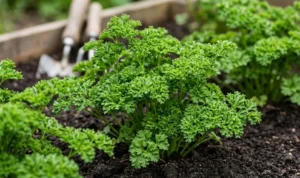
The practice of pruning and cutting back turnip plants is a specialized technique that can be used to manage crop health, improve airflow, and even provide an additional harvest of greens. While turnips are primarily grown for their roots, the management of their foliage is a critical aspect of ensuring a high-quality yield. By strategically removing certain parts of the plant, a professional grower can influence the distribution of energy and reduce the risk of disease within the crop. Understanding when and how to intervene with a pair of shears is a valuable skill in the modern horticulturalist’s toolkit.
Foliage management for overall plant health
Managing the canopy of a turnip crop is a proactive way to maintain the health and vigor of the entire field. As the plants grow, the lower leaves may become shaded, yellowed, or damaged by contact with the soil, creating potential entry points for pathogens. Removing these older, less efficient leaves allows the plant to focus its energy on the younger, more productive foliage and the developing root. This simple act of “cleaning up” the plant can significantly improve the overall aesthetic and health of the crop.
One of the primary reasons for pruning the foliage is to increase the circulation of air around the base of the plants and between the rows. High humidity trapped within a dense mass of leaves is the perfect breeding ground for fungal diseases like downy mildew and powdery mildew. By thinning out some of the excess greens, you create a more open environment where moisture can evaporate more quickly after rain or irrigation. This cultural control is often more effective and sustainable than the frequent application of fungicides.
For certain varieties that produce exceptionally large and lush tops, some light pruning can prevent the foliage from becoming so heavy that it collapses or traps excessive heat at the soil level. A well-managed canopy should be dense enough to shade the soil and prevent weed growth but open enough to allow for light penetration and airflow. Achieving this balance requires a keen eye and a willingness to intervene when the growth becomes too dense. Professional growers often view pruning as a form of “preventative medicine” for their crops.
Finally, managing the foliage also makes other maintenance tasks, such as weeding and pest scouting, much easier for the grower. When the base of the plant is visible and accessible, it is easier to spot the first signs of insect damage or nutrient deficiencies. It also allows for more precise application of irrigation and fertilizers directly to the soil where they are needed most. For the professional, the time spent on foliage management is repaid through a cleaner, healthier, and more manageable field.
More articles on this topic
Strategic removal of damaged and diseased leaves
In any agricultural setting, some degree of leaf damage is inevitable, whether from insect feeding, weather events, or accidental mechanical impact. Strategic pruning involves identifying these compromised leaves and removing them before they can become a source of secondary infection. A leaf that is partially eaten or torn is much more susceptible to colonization by bacteria and fungi, which can then spread to the rest of the healthy plant. By cutting away these “weak links,” you protect the integrity of the entire crop.
Diseased leaves should be removed with extreme care to avoid spreading the pathogen during the pruning process. It is standard practice for professional growers to use sharp, sterilized shears and to dip the blades in a disinfecting solution between each plant. The removed material should never be left in the field or added to a compost pile that will be used on future turnip crops; instead, it should be disposed of far from the growing area. This level of field hygiene is essential for controlling the spread of persistent diseases like black rot.
The timing of this pruning is also important, as it should ideally be done on a dry day when the wounds can callus over quickly. If the plants are pruned during wet or humid weather, the open cuts remain vulnerable to infection for a longer period. Some growers also choose to apply a light dusting of sulfur or an organic copper-based spray to the pruning sites as an additional layer of protection. This proactive approach ensures that the intervention does not inadvertently cause more harm than good.
Regular scouting for damaged foliage should be integrated into the weekly routine of the farm, allowing for quick action before problems escalate. Early detection and removal of a few infected leaves can often prevent a localized issue from becoming a field-wide epidemic. For the professional horticulturalist, being attuned to the condition of the leaves is a primary way to monitor the general “pulse” of the crop. This attention to detail is what ensures a high-grade harvest that is free from blemishes and decay.
More articles on this topic
Managing greens for dual-purpose harvests
Turnips are unique in that they offer two distinct culinary products from a single plant: the tender, peppery greens and the succulent root. For growers interested in a dual-purpose harvest, pruning becomes a method of harvesting the tops while allowing the root to continue its development. This requires a careful balance, as removing too much foliage at once will starve the root of the energy it needs to grow. The general rule is to never remove more than a third of the total leaf area at any one time.
When harvesting greens for the market, the professional grower selects the youngest and most tender leaves from the center of the plant, as these have the best flavor and texture. By leaving the outer, more established leaves intact, the plant can continue to photosynthesize and provide energy for the root. This “cut and come again” method can provide a steady supply of greens throughout the season, adding a significant second stream of income from the same piece of land.
It is important to note that frequent or heavy pruning of the leaves will almost certainly result in a smaller final root size. If the primary goal is to produce large, storable turnips, the harvesting of greens should be kept to a minimum or avoided altogether. However, for a farm that sells to high-end restaurants or specialized local markets, the value of the fresh greens may outweigh the potential loss in root biomass. This decision is a strategic one, based on market demand and the specific economic goals of the operation.
Proper nutrition is essential for plants that are being managed for a dual harvest, as they need extra resources to replace the removed foliage. An additional side-dressing of a nitrogen-rich fertilizer after a significant leaf harvest can help the plant recover quickly and resume its growth. Regular irrigation is also vital to reduce the stress of pruning and to ensure the new leaves are succulent and flavorful. For the modern grower, this dual-harvest approach is an excellent way to maximize the productivity and profitability of the turnip crop.