
Sorrel is a versatile perennial that demands specific soil conditions to reach its full culinary and nutritional potential. Growers should aim for a slightly acidic to neutral pH level to facilitate optimal nutrient uptake from the ground. Incorporating well-rotted organic matter into the soil profile improves structure and provides a slow-release source of nitrogen. Deep tilling before planting allows the taproots to penetrate easily and access moisture in lower layers.
Proper drainage is essential because the roots are susceptible to rot if they sit in stagnant water for extended periods. You can improve heavy clay soils by adding coarse sand or fine grit to enhance the movement of oxygen and water. Testing the soil every few years helps determine if the mineral balance remains favorable for leafy green production. Maintaining a healthy microbial population in the earth will support the plant through various seasonal stresses.
The texture of the soil influences how often you will need to perform maintenance tasks like aerating or top-dressing. Loamy soils are generally considered the gold standard for this herb as they hold moisture without becoming waterlogged. If your garden has very sandy soil, you must be more diligent about adding compost to prevent rapid nutrient leaching. A well-prepared bed reduces the amount of work required during the height of the summer growing season.
Finally, the location of the soil bed should be chosen with long-term growth in mind since sorrel can occupy the same spot for years. Avoid areas where aggressive weeds have established a strong presence, as they will compete for limited subterranean resources. Clearing the area of large stones and debris ensures that the roots can expand without physical obstructions. Starting with a clean and nutrient-dense environment is the most important step in professional care.
Effective weed management
Maintaining a weed-free environment around your plants is crucial for preventing competition for light and essential nutrients. Invasive species can quickly overshadow young sorrel leaves and reduce the overall quality of your harvest. Hand-weeding is often the safest method to ensure that the delicate root systems of the herb are not disturbed. Consistency is the key to success because removing weeds before they set seed prevents future generations from emerging.
More articles on this topic
Mulching is a highly effective professional technique used to suppress unwanted growth while simultaneously retaining ground moisture. Organic mulches such as straw, shredded bark, or leaf mold provide a protective layer that blocks sunlight from reaching weed seeds. As these materials decompose, they also contribute to the long-term fertility and structure of the underlying soil. Apply a layer of approximately three inches to achieve the best results in a commercial or home garden setting.
Mechanical cultivation should be performed with extreme caution to avoid damaging the shallow feeder roots that spread near the surface. Use a small hand hoe or a specialized weeding tool to gently disrupt the soil surface on a regular basis. This practice not only removes small seedlings but also breaks up any crust that has formed after heavy rainfall. Aerating the top layer of the earth in this way promotes better gas exchange for the plant.
Regular inspections allow you to identify potential problems before they become unmanageable infestations in your plantation. Pay close attention to the base of the plant where small weeds often hide under the larger, drooping leaves. If you notice persistent perennial weeds, you may need to dig deeper to remove the entire root structure. Keeping the surrounding paths clean also serves as a barrier against the encroachment of unwanted vegetation.
Monitoring growth stages
Observing the development of the foliage is necessary to determine the health and vigor of your perennial herb crop. Young leaves are the most tender and flavorful, so monitoring the rate of new growth helps timing the harvest. As the plant matures, the leaves can become tougher and more acidic if they are left on the stem too long. Professionals look for a vibrant green color and a firm texture as indicators of high-quality vegetable production.
More articles on this topic
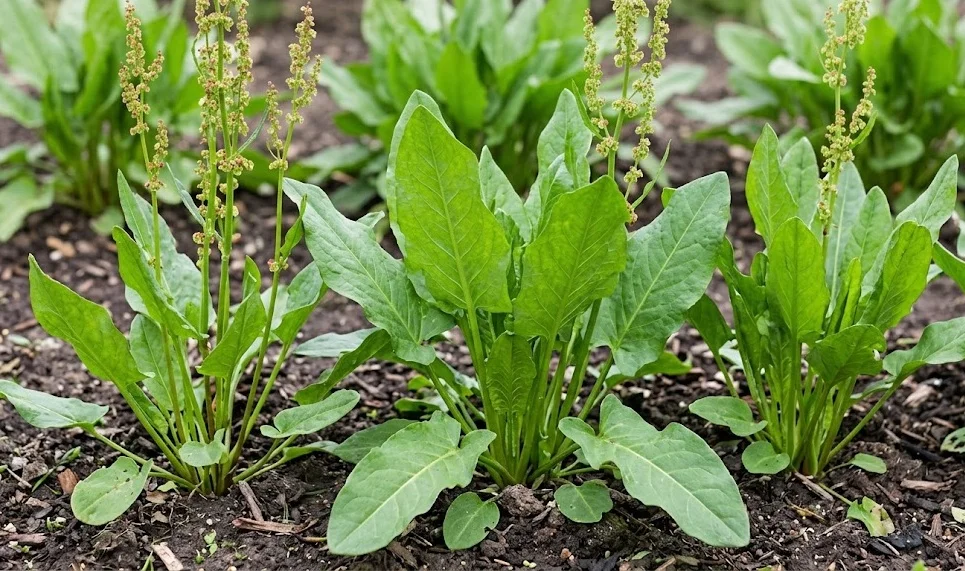
The bolting stage occurs when the plant begins to produce a tall flower stalk, usually triggered by rising summer temperatures. Once the plant starts to flower, the energy is diverted from leaf production to seed development, which changes the flavor profile. To prolong the harvest of edible leaves, it is standard practice to remove these stalks as soon as they appear. This intervention encourages the plant to continue focusing its resources on generating succulent green foliage.
As the season progresses, you may notice changes in the density of the clump as the plant expands outward. Older plants can sometimes become overcrowded, leading to smaller leaves and reduced airflow within the canopy. Taking notes on the growth patterns of different varieties will help you refine your management techniques over several years. Tracking the timing of the first and last harvests provides valuable data for future agricultural planning.
Environmental factors such as unexpected cold snaps or extreme heat will visibly affect the growth rate and leaf quality. During heatwaves, the leaves may wilt slightly during the day even if the soil moisture levels are technically adequate. Conversely, late spring frosts can damage the tender new growth if the plants are not adequately protected or hardened off. Understanding these physiological responses allows you to provide the necessary support during critical periods.
Seasonal adjustments for vitality
In the spring, the primary focus is on stimulating new growth after the dormancy of the winter months. This is the ideal time to clear away any dead foliage from the previous year to prevent fungal issues. Applying a light application of nitrogen-rich fertilizer can give the plants the boost they need to start the season. Ensuring that the soil remains consistently moist as temperatures rise will support the rapid expansion of the leaves.
Summer care revolves around moisture management and heat protection to prevent the herb from becoming overly stressed. Providing afternoon shade in particularly hot climates can help maintain the tenderness of the foliage for a longer duration. You should also increase the frequency of inspections for pests that become more active during the warmer months of the year. Regular harvesting during this time prevents the plant from reaching the bolting stage too quickly.
Autumn is the period when the plant begins to transition its energy toward the root system in preparation for cold weather. You should gradually reduce the frequency of harvesting to allow the plant to build up its internal carbohydrate reserves. Clearing the surrounding area of fallen leaves and garden debris reduces the number of overwintering sites for common pests. This is also a good time to assess the overall health of the bed and plan for any necessary divisions.
Winter care is minimal but remains an important part of the annual cycle for a professional gardener or farmer. In colder regions, applying a fresh layer of mulch can protect the crown from the damaging effects of freeze-thaw cycles. While the plant is dormant, you can focus on maintaining your tools and reviewing the successes of the past growing season. Respecting the natural rest period of the herb ensures a vigorous return when the ground warms in the spring.
Tools for professional maintenance
Selecting high-quality gardening tools makes the process of caring for your herb garden much more efficient and precise. A sharp pair of bypass pruners or specialized harvest shears is necessary for making clean cuts on the stems. Clean cuts heal faster and reduce the risk of introducing pathogens into the vascular system of the plant. Maintaining the sharpness of your blades is a fundamental task that every professional should prioritize before entering the field.
Hand trowels and weeding forks are essential for managing the soil and removing deep-rooted competition without broad disturbance. Look for tools with ergonomic handles to reduce the physical strain during extended periods of garden maintenance. Stainless steel options are often preferred because they resist rust and slide through heavy soil with less resistance. Investing in durable equipment saves money over time and leads to more consistent results in the garden.
Moisture meters can be used to take the guesswork out of irrigation schedules by providing accurate readings of subterranean conditions. These devices help ensure that you are not overwatering, which can be just as damaging as prolonged periods of drought. For larger agricultural operations, automated soil sensors can provide real-time data to a central management system. Using technology to monitor the environment allows for a more scientific approach to plant care.
Protective gear such as durable gloves and kneeling pads will keep the gardener comfortable and safe while working in the dirt. Gloves protect the skin from irritation and minor cuts that can occur when handling soil or rough plant material. A dedicated garden cart or basket is useful for transporting harvested leaves and collected weeds away from the growing area. Organizing your workspace and keeping your tools clean are marks of a truly professional approach to horticulture.
Soil health and aeration
Long-term soil health is the foundation of a productive perennial garden, especially for plants that remain in place for many years. Aeration is the process of creating small holes in the soil to allow air, water, and nutrients to reach the roots. Compaction often occurs in high-traffic areas or heavy soils, which can suffocate the root system and stunt growth. Using a garden fork to gently lift and loosen the earth around the plants will alleviate this issue.
Adding organic amendments such as compost or well-rotted leaf mold on an annual basis replenishes the nutrients removed by the crop. These materials also support the complex web of soil organisms that transform minerals into a form available to the plant. A healthy soil structure should feel crumbly to the touch and have a dark, rich appearance indicating high organic content. Avoiding the use of heavy machinery near the planting beds prevents deep-level compaction that is difficult to fix.
Cover crops or green manures can be grown in adjacent areas or during rotation periods to improve the overall fertility of the farm. These plants help fix nitrogen in the soil and prevent erosion during the months when the ground might otherwise be bare. When they are tilled back into the earth, they provide a massive influx of organic matter for the next season. This holistic approach to land management ensures that the soil remains productive for future generations of crops.
Microbial inoculants are sometimes used by professional growers to enhance the symbiotic relationships between fungi and plant roots. These beneficial organisms can increase the surface area of the root system, allowing for better water and phosphorus absorption. While not always necessary in rich soils, they can provide a significant advantage in marginal or degraded environments. Maintaining a balanced ecosystem within the soil is just as important as managing the visible parts of the plant.
Harvest cycles and techniques
Understanding the timing of harvest cycles is essential for maintaining a continuous supply of high-quality sorrel throughout the year. The first harvest can usually take place once the plant has established a healthy clump with leaves at least four inches long. Frequent harvesting actually encourages the plant to produce more foliage, provided that you do not remove more than one-third of the plant at once. This balance ensures that the herb has enough leaf surface area to continue photosynthesis and remain healthy.
The best time of day to harvest is in the early morning after the dew has dried but before the sun becomes too intense. At this time, the leaves are fully hydrated and have the highest concentration of essential oils and flavor. Use a sharp knife or scissors to cut the outer leaves close to the base of the plant, leaving the center intact. This “cut and come again” method allows for multiple harvests from a single plant over many months.
Once harvested, the leaves are highly perishable and should be handled with care to prevent bruising or wilting. If they are not being used immediately, they should be kept in a cool, humid environment to maintain their crispness. Professional growers often use refrigerated transport or specialized cooling rooms to preserve the quality of the greens for market. Rinsing the leaves in cold water can help remove heat and any residual soil before storage.
Regularly rotating which plants you harvest from prevents any single specimen from becoming exhausted or weakened. If a plant shows signs of slow growth or yellowing, it should be given a rest period to recover its strength. Evaluating the yield and quality of different varieties helps you decide which ones to propagate for the following season. Proper harvesting techniques are the final step in a successful management plan for this productive perennial.