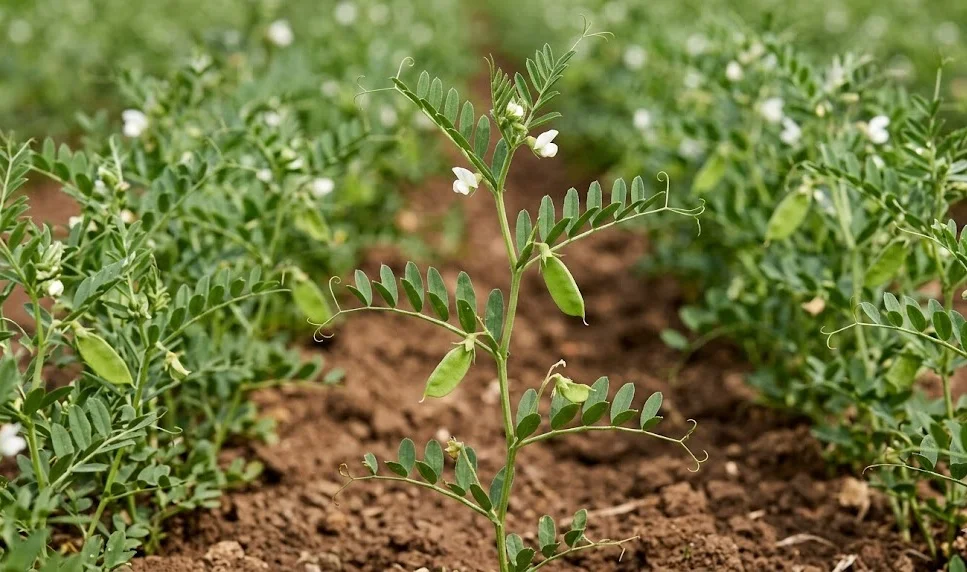

Effective nutrient and moisture management are the twin pillars of a successful lentil production strategy. While these plants are naturally resilient, their ability to produce high-quality protein depends on the precise application of water and fertilizers. Professional growers use a combination of soil science and careful observation to meet the crop’s needs without over-investing resources. By mastering these two critical aspects of agronomy, you can significantly enhance both the yield and the sustainability of your pulse operation.
Strategic irrigation and moisture management
Lentils are renowned for their ability to thrive in semi-arid environments where other crops might struggle to survive. However, the term “drought-tolerant” does not mean they do not require water; rather, it means they use it very efficiently. You should focus your irrigation efforts on the most critical stages of the plant’s life cycle to get the best return. Over-watering can be just as damaging as a drought, as it encourages excessive vegetative growth at the expense of seed production.
The vegetative stage is the time when the plant is building its basic structure and establishing its root system. During this period, moderate moisture is necessary to ensure the plant doesn’t become stunted or stressed early on. You should aim to maintain a consistent level of soil moisture that encourages deep root penetration rather than shallow growth. Professional growers often use soil probes to check how deep the moisture is moving through the profile during these early weeks.
Flowering and pod-filling are the most water-sensitive periods for the lentil crop, and any stress now will directly reduce the yield. If the soil becomes too dry during bloom, the plant may abort its flowers to conserve its own survival. Supplemental irrigation during this window can lead to a dramatic increase in the number of pods and the size of the seeds. Providing water at this stage ensures that the plant has the hydraulic pressure needed to move nutrients into the developing pulses.
As the crop reaches maturity, you should gradually reduce the amount of water applied to the field. This encourages the plants to stop growing new leaves and focus their remaining energy on ripening the existing seeds. Natural drying is essential for a successful mechanical harvest and for the long-term storage stability of the grain. An expert irrigation schedule is always flexible, responding to current weather conditions and the specific developmental stage of the standing crop.
More articles on this topic
The role of nitrogen fixation and inoculation
One of the greatest advantages of growing lentils is their natural ability to provide their own nitrogen through biological fixation. This process occurs in the root nodules where specialized bacteria convert nitrogen gas from the air into ammonium. For this process to be successful, the correct strain of Rhizobium bacteria must be present in the soil at the time of planting. Professional farmers almost always use a high-quality commercial inoculant to ensure that every plant has access to these beneficial microbes.
Monitoring the health of the root nodules is a standard part of a professional crop inspection routine. Healthy, active nodules will have a distinct pink or reddish color on the inside, which indicates the presence of leghemoglobin. If the nodules are pale or green, it suggests that the nitrogen fixation process is not functioning correctly or has shut down. Understanding the health of this subterranean partnership allows you to make informed decisions about whether additional nitrogen is needed.
Even with successful fixation, there are times when a small “starter” dose of nitrogen can be beneficial for the crop. If the soil is particularly cold or nutrient-depleted at planting, a low rate of nitrogen can help the seedlings establish themselves before the nodules are fully functional. You must be careful not to apply too much, as high levels of soil nitrogen can actually discourage the plants from forming nodules. Balancing these needs is a delicate task that requires experience and a clear understanding of your soil’s baseline fertility.
The nitrogen left behind in the soil after a lentil harvest is a valuable resource for the next crop in your rotation. The decomposing roots and nodules release organic nitrogen that is easily accessible to cereal crops like wheat or corn. This “nitrogen credit” is one of the primary reasons why lentils are such an important part of sustainable agricultural systems worldwide. Professional growers account for this residual fertility when planning their nutrient applications for the following year.
More articles on this topic
Essential minerals for pulse development
While nitrogen is handled biologically, lentils still depend on you to manage the levels of phosphorus and potassium in the soil. Phosphorus is particularly important for the early development of the root system and the overall energy metabolism of the plant. It also plays a key role in the timing of maturity, helping the crop ripen more uniformly across the field. Applying phosphorus as a band near the seed at planting ensures that it is available exactly when the young plant needs it most.
Potassium is the mineral responsible for regulating the plant’s internal water balance and the opening and closing of its stomata. A crop with adequate potassium is much better equipped to handle periods of drought or extreme temperature fluctuations. It also strengthens the stems, which reduces the risk of the plants falling over, or lodging, as they get heavier with pods. Professional soil tests will tell you if your fields have enough potassium to support a high-yielding legume crop.
Sulfur is another nutrient that is often overlooked but is essential for the production of high-quality protein in the lentil seed. It is a vital component of several amino acids that determine the nutritional value of the final product. If your soil is deficient in sulfur, you may notice a general yellowing of the younger leaves, even if nitrogen levels are adequate. Many modern fertilizer blends for pulses now include a specific amount of sulfur to prevent these hidden hungers.
Micronutrients like zinc, boron, and molybdenum are needed in only tiny amounts, but their absence can still limit your total yield. Molybdenum, for example, is a critical cofactor for the enzyme that allows the bacteria to fix nitrogen in the root nodules. Boron is essential for the growth of the pollen tubes and the successful fertilization of the flowers. An expert approach to fertilization involves monitoring these trace elements and applying them only when a specific need is identified through tissue or soil analysis.
Application methods and timing
The way you apply fertilizer can be just as important as the type of nutrients you choose for your lentil crop. Most professional growers prefer to apply their primary fertilizers at the time of planting to ensure they are in the root zone from day one. Placing the fertilizer in a band slightly below and to the side of the seed prevents “seed burn” while providing easy access to the nutrients. This precision placement reduces the amount of fertilizer that might be lost to the environment or used by competing weeds.
Foliar feeding is another technique used by professionals to provide a quick boost of nutrients during critical growth stages. This involves spraying a liquid fertilizer directly onto the leaves, where it can be absorbed rapidly by the plant tissues. This is especially effective for delivering micronutrients or for correcting a deficiency that is noticed mid-season. However, foliar applications should be timed carefully to avoid leaf scorch, usually during the cooler parts of the day.
The timing of nutrient availability must match the changing demands of the lentil plant as it moves through its life cycle. Demand for most nutrients peaks during the late vegetative and early reproductive stages when biomass is accumulating rapidly. If the soil cannot provide enough nutrients at this time, the plant’s growth will slow down and the final yield will suffer. Professional growers use slow-release fertilizers or split applications to ensure a steady supply of nutrition throughout the entire season.
Environmental protection is a key consideration in any modern fertilization plan for an agricultural operation. You must take care to avoid over-applying nutrients, which can lead to runoff into local waterways or the leaching of nitrates into the groundwater. Using “variable rate” technology allows you to apply exactly the amount of fertilizer needed for different parts of the field based on their specific productivity. Professionalism in fertilizing means being a good steward of the land while still achieving your production goals.
Assessing and correcting nutritional stress
Recognizing the visual symptoms of nutritional stress is a vital skill for anyone managing a professional lentil plantation. Nitrogen deficiency typically shows up as a pale green or yellow color in the older, lower leaves of the plant. Phosphorus deficiency, on the other hand, might manifest as stunted growth and a dark green or even purplish tint to the foliage. Being able to distinguish between these signs allows you to take corrective action before the damage becomes permanent.
Environmental factors can sometimes make it difficult for the plant to absorb nutrients, even if they are present in the soil. For example, very dry soil can prevent the movement of phosphorus to the roots, while very wet soil can lead to the loss of sulfur through leaching. If you see signs of stress, you should first look at the weather and soil moisture conditions to see if they are the primary cause. Professional growers often use a combination of visual scouting and lab analysis to get a complete picture of plant health.
Tissue testing is the most accurate way to determine exactly what is happening inside the plant at any given moment. By sending a sample of the leaves to a specialized laboratory, you can get a detailed report of the concentration of every major and minor nutrient. This can reveal “hidden hunger,” where the plant is not yet showing visual symptoms but is still suffering from a lack of a particular element. This data-driven approach allows for very precise adjustments to your fertilization strategy during the growing season.
Long-term fertility management involves keeping detailed records of what you apply and how the crop responds each year. By tracking your yields and nutrient removals over time, you can build a sustainable fertility plan that maintains the productivity of your soil. This holistic view ensures that you are not just feeding the current crop, but also protecting the future of your agricultural enterprise. Professionalism in watering and fertilizing is an ongoing commitment to excellence and environmental responsibility.