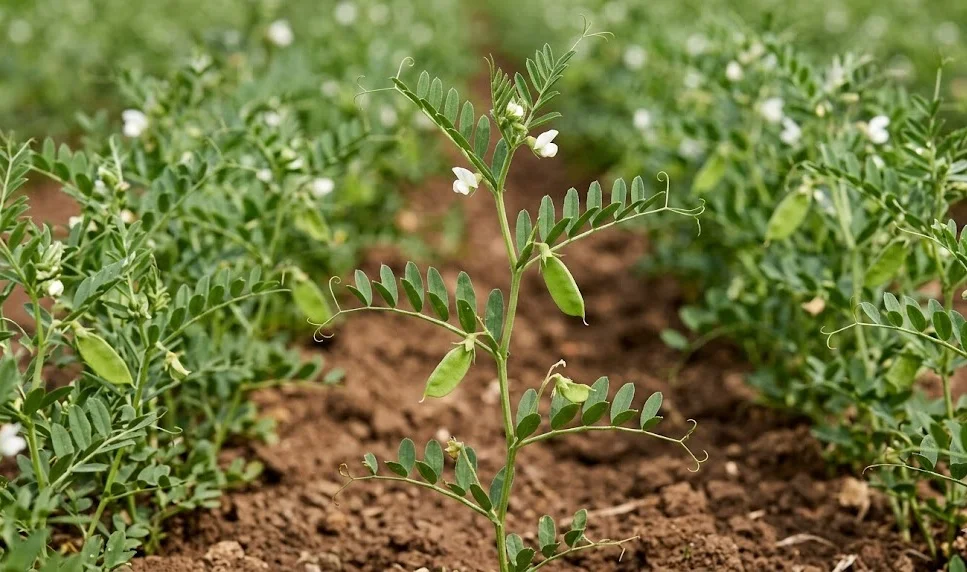

Success in lentil cultivation begins with a precise approach to the planting phase, where every decision impacts the eventual yield. These hardy legumes require a specific set of conditions to germinate effectively and establish the deep root systems they are known for. By understanding the biological needs of the seed and the physical characteristics of the soil, you can set the stage for a productive season. Professional planting techniques involve more than just placing seeds in the ground; they require careful timing and preparation.
Selecting and preparing quality seeds
The first step in a professional planting operation is the selection of high-quality, certified seed stock that is free from pathogens. You should choose a variety that is well-adapted to your local climate and soil conditions to maximize the chances of success. High-germination rates are essential, as uneven emergence can lead to significant management challenges throughout the rest of the growing season. Checking for physical damage or signs of aging in the seed lot ensures that you are starting with the best possible material.
Seed treatment is often recommended to protect the young plants from soil-borne diseases and early-season insect pressure. Many professional growers apply a combination of fungicides and insecticides directly to the seed coat before they go into the ground. This provides a protective barrier during the vulnerable germination phase when the plant is most at risk. Using these modern agricultural tools can significantly improve the survival rate of the seedlings in challenging environmental conditions.
Inoculation with Rhizobium bacteria is perhaps the most important preparation step for any pulse crop like the lentil. These specific bacteria form a partnership with the plant roots to convert atmospheric nitrogen into a form the plant can actually use. You must ensure that the inoculant is fresh and applied according to the manufacturer’s instructions to be effective. Without these beneficial microbes, the lentils will rely entirely on soil nitrogen, which can lead to lower yields and higher fertilizer costs.
Finally, sorting the seeds by size can lead to more uniform planting and more consistent emergence across the entire field. Larger seeds often have more stored energy and can emerge from deeper in the soil than smaller, weaker seeds. By using a uniform seed size, you can calibrate your planting equipment more accurately for the desired depth and spacing. Professionalism in seed preparation is the foundation upon which the entire agricultural enterprise is built for the year.
More articles on this topic
Optimal timing and soil conditions
Timing the planting of lentils is a delicate balance between avoiding the late winter freezes and beating the summer heat. Lentils are cool-season crops that prefer to germinate when the soil temperature is between five and ten degrees Celsius. Planting too early into cold, wet soil can lead to seed rot and poor germination due to slow metabolic activity. Conversely, planting too late can push the critical flowering stage into the hottest part of the summer, which significantly reduces yield.
Soil moisture at the time of planting is the primary driver for successful germination and early seedling vigor. There must be enough moisture in the seed zone to trigger the biological processes required for the seed to sprout and grow. If the topsoil is dry, you may need to plant slightly deeper to reach the residual moisture stored further down. Professional growers often monitor local weather patterns and soil moisture sensors to find the perfect window for their planting operations.
The texture and structure of the soil also play a major role in determining how well the seeds will establish themselves. Lentils perform best in loamy or sandy-loam soils that offer a good balance of water retention and drainage. Heavy clay soils can become compacted and form a hard crust that prevents the delicate seedlings from breaking through the surface. Preparing the soil with light cultivation can help break up these clods and create a more hospitable environment for the young plants.
Crop rotation is another factor that influences when and where you should plant your lentils each year. You should avoid planting lentils in the same field more than once every four years to prevent the buildup of soil-borne diseases. Rotating with cereal crops like wheat or barley can help break disease cycles and improve the overall health of the soil profile. An expert planting plan always considers the long-term history of the land to ensure sustainable and productive farming practices.
More articles on this topic
Precision sowing techniques and depth
Achieving the correct sowing depth is vital for ensuring that every lentil seed has the best possible start in the field. Generally, a depth of three to five centimeters is considered ideal for most soil types and environmental conditions. If seeds are planted too shallow, they may dry out or be eaten by birds and rodents before they can germinate. If they are planted too deep, the young shoots may run out of energy before they reach the sunlight.
The spacing between rows and individual plants determines how effectively the crop will use the available light and nutrients. A common row spacing for lentils is around fifteen to twenty-five centimeters, depending on the variety and the moisture levels. Narrower rows can help the crop close the canopy faster, which provides better weed suppression and soil cooling. Professional planting equipment allows for precise control over these variables, ensuring a uniform distribution of plants across the field.
Calibration of the seed drill is a technical task that must be performed before the first seed is ever dropped into the furrow. You need to ensure that the machine is delivering the exact number of seeds per hectare to reach your target plant population. Over-seeding leads to wasted money and increased disease pressure, while under-seeding leaves the field open to weed invasion. Checking the calibration multiple times during the planting process is a hallmark of a professional agricultural operator.
Soil-to-seed contact is the final physical requirement for a successful sowing operation in any professional setting. Once the seed is placed in the furrow, the soil must be firmed around it to ensure that moisture can be absorbed effectively. Many modern planters use press wheels or rollers to achieve this contact without compacting the soil too tightly. Proper closure of the furrow protects the seed from the elements and creates the stable environment needed for rapid and uniform emergence.
Methods for propagation and expansion
While most commercial lentil production relies on direct seeding, understanding alternative propagation methods can be useful for specialized breeding or small-scale work. Lentils are primarily self-pollinating, which means the seeds they produce are genetically identical to the parent plant. This makes it relatively easy for growers to save their own seeds from year to year, provided they maintain purity. Professional seed savers always select the healthiest and most productive plants to serve as the source for the next generation.
Propagating lentils for breeding purposes often involves controlled crosses between different varieties to combine desirable traits. This requires a deep understanding of the plant’s flowering biology and the timing of pollen release. Breeders work in greenhouses or controlled environments to ensure that no unwanted cross-pollination occurs during the development of new lines. This specialized form of propagation is how the agricultural industry continues to improve lentil yields and disease resistance globally.
Large-scale expansion of a specific lentil variety involves a multi-year process of seed multiplication under strict supervision. Starting from a small amount of “breeder seed,” the crop is grown in increasing quantities through “foundation” and “registered” stages. Each step requires rigorous field inspections to ensure that no weeds or other varieties have contaminated the crop. By the time the seed reaches the “certified” stage for general sale, its genetic purity and quality are guaranteed.
Maintaining the vigor of a lentil variety over several seasons requires careful management of the saved seed stock. You must store the seeds in a cool, dry place to prevent loss of germination power and to protect against insect damage. Regularly testing the germination rate of your stored seeds helps you adjust your planting rates for the following season. Professional propagation is an ongoing cycle of selection, protection, and careful observation that ensures the long-term viability of the crop.