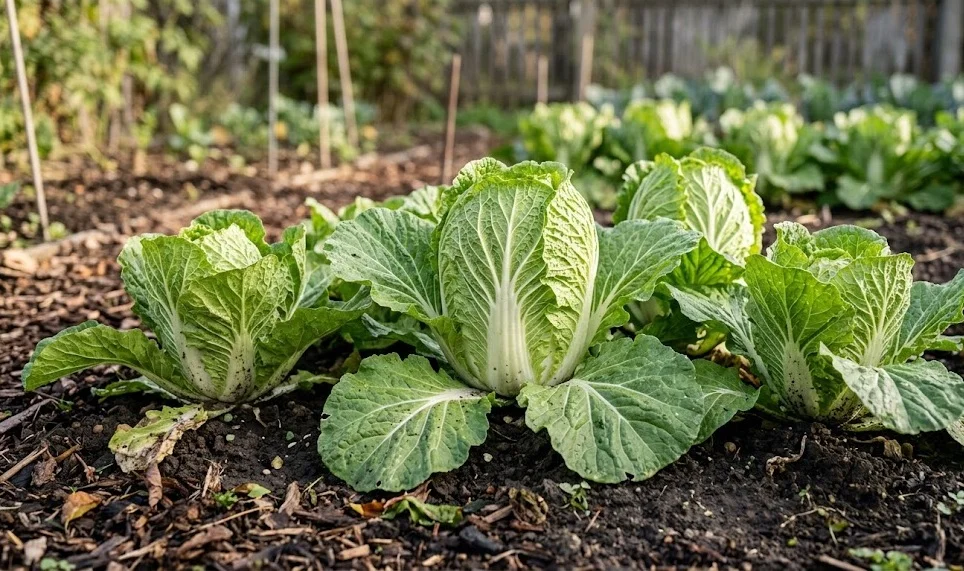

Overwintering napa cabbage is an excellent strategy for gardeners who want to extend their harvest into the coldest months of the year. This vegetable is surprisingly resilient and can tolerate several light frosts, which often improves its natural sweetness and texture. However, successful overwintering requires careful planning, the right variety selection, and protective measures against extreme freezing. A professional approach to winter gardening allows you to enjoy fresh, home-grown produce even when the rest of the garden is dormant and covered in snow.
The timing of your late-season planting is the most critical factor for success when you are aiming for a winter harvest. You want the cabbage heads to be nearly mature before the first hard freeze arrives, as growth slows down significantly during the short days of winter. If the plants are too young, they may not have enough energy to survive the cold temperatures and the lack of sunlight. Conversely, if they are already over-mature, they may begin to rot or lose their quality during the storage period in the garden.
Protecting the plants from extreme temperature fluctuations and heavy snow loads is essential for maintaining the quality of the leaves and the integrity of the heads. Simple structures like cold frames or low tunnels can provide a few degrees of extra warmth and a physical barrier against the harsh elements. These tools allow you to create a microclimate that is much more favorable for the cabbage than the open garden. Monitoring the weather and adjusting your protective measures accordingly is a key part of the professional winter gardening routine.
Soil moisture management remains important even in the winter, although the plants will require much less water than during the height of the summer. The soil should be kept damp enough to prevent the roots from drying out, but you must avoid creating waterlogged conditions that can lead to rot. Mulching heavily around the base of the plants can help stabilize soil temperatures and preserve the moisture that is already present in the ground. With the right techniques, napa cabbage can remain fresh and delicious in the garden for many weeks beyond the typical end of the season.
Understanding temperature tolerance
Napa cabbage is classified as a cool-season vegetable and can generally survive temperatures as low as minus five degrees Celsius without significant damage to the heart. A light frost can actually be beneficial, as it triggers the plant to convert some of its stored starches into sugars as a natural antifreeze. This process makes the leaves taste much sweeter and more tender than those harvested during the warmer months of the year. However, if the temperature drops much lower or if the frost lasts for several days, the outer leaves may begin to suffer from cell damage.
More articles on this topic
Duration of cold exposure is just as important as the absolute minimum temperature reached during a winter night or day. A brief cold snap is much easier for the plant to handle than a prolonged period of sub-freezing weather that never allows the tissues to thaw. If the cabbage remains frozen for several days, the ice crystals within the cells can cause permanent structural damage to the foliage. This can lead to a watery texture and a loss of flavor when the cabbage is eventually harvested and brought into the kitchen.
Acclimatization, or hardening off, is a natural process where the plant gradually adjusts to the decreasing temperatures of the autumn season. Plants that have been exposed to a slow and steady decline in temperature are much more resilient than those hit by a sudden and unexpected freeze. This is why late-summer plantings often overwinter much better than those that were grown during a period of unseasonably warm weather. You can help this process by avoiding the use of high-nitrogen fertilizers late in the season, which can encourage soft and vulnerable new growth.
Different varieties of napa cabbage have varying levels of cold hardiness, and choosing the right one is essential for professional overwintering results. Some types are specifically bred for their ability to withstand the cold and are marketed as “winter” or “late-season” varieties by seed companies. These plants often have thicker leaves and a more compact growth habit, which provides natural insulation for the sensitive inner core. Researching the specific cold ratings of the varieties you choose will help you plan your winter garden with much more confidence.
Insulation techniques for the garden
Mulching is one of the simplest and most effective ways to protect the root systems of your napa cabbage from the freezing ground. A thick layer of straw, shredded leaves, or wood chips acts as a thermal blanket, keeping the soil temperature more consistent during the day and night. This prevents the soil from undergoing rapid freeze-thaw cycles, which can heave the plants out of the ground and damage their delicate roots. Aim for a mulch layer that is at least ten to fifteen centimeters deep for the best insulation results in a cold climate.
More articles on this topic
Banking soil around the base of the cabbage heads can provide another layer of protection for the stem and the lower part of the plant. This technique, often used with other root vegetables, helps keep the most sensitive parts of the cabbage shielded from the cold air. Be careful not to bury the entire head, as this can trap too much moisture and lead to fungal issues or rot during the winter. This method works best in areas where the soil remains relatively dry and does not become a frozen block of ice.
Burlap wraps or specialized garden blankets can be used to cover the plants during particularly cold nights when a heavy freeze is expected. These materials provide a bit of extra warmth by trapping the radiant heat rising from the ground and keeping it near the foliage. It is important to remove these covers during the day if the sun is shining, as the temperature inside can quickly become too high for the cabbage. Secure the edges of the blankets with stones or pegs to ensure they are not blown away by the winter winds.
Snow can actually act as a natural and very effective insulator for your garden plants, provided it is not too heavy and does not break the stems. A layer of light, fluffy snow traps air and can keep the temperature at the soil surface remarkably close to freezing, even when the air above is much colder. If a heavy, wet snow is forecast, you may need to provide some structural support for your protective covers to prevent them from collapsing on the cabbage. Embracing the natural insulation provided by the weather is a smart and professional way to garden in the winter.
Greenhouse and cold frame management
A cold frame is essentially a bottomless box with a transparent lid that acts as a miniature greenhouse for your overwintering cabbage. It provides excellent protection from the wind and can significantly boost the daytime temperatures inside through the greenhouse effect. On sunny winter days, it is crucial to vent the cold frame by cracking the lid slightly to prevent the plants from overheating and becoming stressed. Closing the lid again in the late afternoon will trap the accumulated heat for the upcoming cold night ahead.
Unheated greenhouses offer even more space and a more stable environment for extending the harvest of napa cabbage well into the winter months. While they may still freeze during the coldest nights, they provide a much-needed buffer against the wind and the most extreme environmental fluctuations. You can further increase the insulation inside a greenhouse by using floating row covers over the individual plants or rows. This “house within a house” approach is a professional technique for producing high-quality vegetables in the dead of winter.
Ventilation remains a priority even in the winter to manage humidity levels and prevent the buildup of fungal pathogens inside your protective structures. Stagnant, moist air is the primary enemy of cabbage when it is being kept under cover for long periods in the cold. Opening the doors or vents of your greenhouse for a few hours during the middle of the day will help refresh the air and dry the foliage. A professional gardener knows that air quality is just as important as temperature when it comes to successful winter cultivation.
Monitoring the internal temperature of your cold frames and greenhouses is essential for making informed decisions about when to vent and when to provide extra protection. Inexpensive min-max thermometers can tell you exactly how cold it got during the night and how warm it became during the peak of the day. This data allows you to fine-tune your management routine and ensures that your napa cabbage stays within its ideal temperature range for survival. Consistency is the hallmark of a professional approach to managing these specialized winter growing environments.
Storage and final winter harvest
As the winter progresses, you must decide whether to leave the cabbage in the ground or harvest the remaining heads for indoor storage. If a truly deep freeze is coming that your protective measures cannot handle, it is better to harvest the cabbage and move it to a cool cellar or refrigerator. Cabbage that has been slowly acclimated to the cold will store remarkably well if kept at high humidity and temperatures just above freezing. Check the stored heads regularly for any signs of wilting or decay and use them as needed for your winter meals.
Harvesting from the frozen garden requires a bit of patience and a gentle touch to avoid damaging the brittle and cold-sensitive leaves of the cabbage. If possible, wait for a slightly warmer day or a period when the sun has had a chance to thaw the outer layers of the plant. A sharp knife is still essential for making a clean cut at the base, but be aware that the stem may be much tougher and more fibrous in the winter. Handle the cold cabbage carefully, as the frozen cells are easily bruised and can lead to rapid spoilage once the plant thaws out.
Cleaning and trimming the winter-harvested cabbage involves removing any outer leaves that have been damaged by the frost or by the winter environment. Underneath these protective layers, you will often find a perfectly crisp and sweet head that is ready for the kitchen. The flavor of overwintered napa cabbage is often superior to any other time of the year, making the extra effort of protection well worth it. Enjoy the rewards of your professional winter gardening skills by incorporating this fresh produce into your favorite seasonal recipes and dishes.
Reflecting on your overwintering success will help you plan for an even better winter garden in the following year of your gardening journey. Take notes on which protective methods worked best and which varieties were the most resilient to the specific cold conditions of your local area. You might decide to build more permanent cold frames or try a different planting date based on your experiences this season. Each winter provides a new opportunity to learn and refine your skills as a professional and dedicated grower of high-quality vegetables.