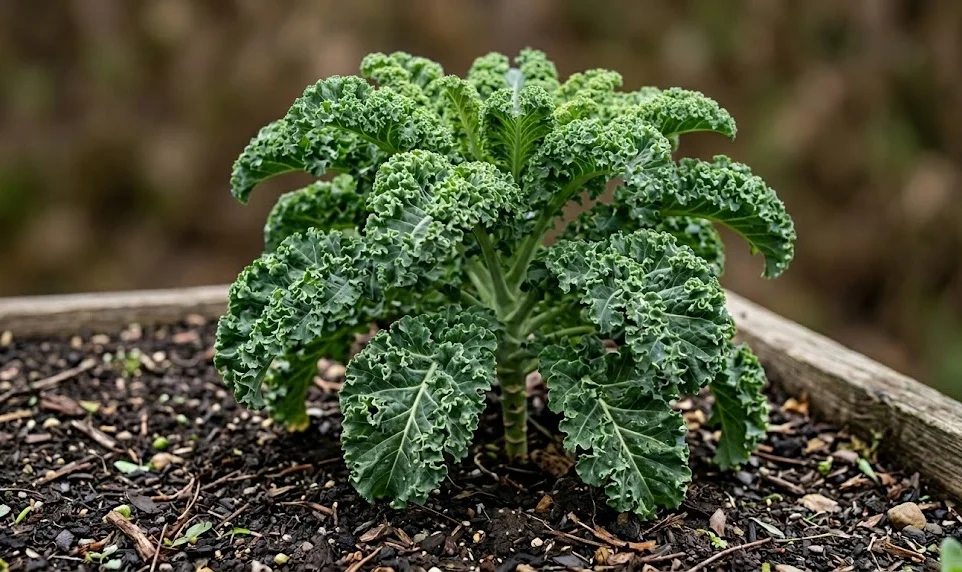

The practice of physical intervention through pruning is often misunderstood when it comes to leafy vegetables like the crinkled Savoy varieties. While we do not prune them in the same way we might a fruit tree or a rose bush, targeted removal of foliage is a vital part of professional maintenance. These actions are designed to improve plant hygiene, direct energy toward the developing head, and manage the microclimate within the garden rows. Mastering these simple techniques will lead to a cleaner harvest and a significantly lower risk of disease throughout the growing season.
The primary reason for removing leaves from a developing cabbage is to improve the airflow around the base of the plant and the surface of the soil. As the plant grows, the lower leaves often become shaded and eventually start to yellow and decay naturally. These aging leaves can become a bridge for soil-borne pathogens and provide a moist hiding spot for pests like slugs and snails. Removing them before they completely break down is a proactive step that keeps the plant healthy and the surrounding area much easier to inspect.
Timing your pruning activities is important to ensure that you do not cause unnecessary stress to the plant during critical periods of growth. It is best to perform these tasks on a dry, sunny day when the air humidity is low, allowing the small wounds to heal quickly. Avoid pruning if the weather forecast calls for heavy rain, as the open tissue can be an entry point for bacterial soft rot or other infections. Using a sharp, sterilized knife ensures a clean cut that minimizes the damage to the main stem and allows for rapid recovery.
Directing the plant’s energy is another benefit of removing excessive or damaged foliage that is no longer contributing to the growth of the head. Leaves that have been heavily damaged by insects or hail are often a net drain on the plant’s resources as it tries to repair the non-functional tissue. By cleanly removing these “sink” leaves, you allow the cabbage to focus its metabolic energy on expanding the tender inner heart. This process can lead to a more solid and uniform head that reaches maturity slightly faster than an unpruned specimen.
Improving hygiene and disease prevention
Hygiene is perhaps the most significant benefit of a regular pruning routine in a professional brassica patch. Leaves that touch the ground are the most likely to be infected by fungal spores found in the soil, which can then spread upward to the rest of the plant. By maintaining a clear space between the soil and the first set of healthy leaves, you create a physical buffer that stops many common diseases in their tracks. This “skirting” of the plant also makes it much easier to apply mulch or organic fertilizers without getting them on the foliage.
More articles on this topic
Managing the internal microclimate of the cabbage rows is essential for preventing the buildup of humidity that favors Downy mildew. Removing a few of the non-essential outer leaves on every plant can significantly increase the wind speed and light penetration at the ground level. This faster drying of the soil and stems creates an environment that is much less hospitable to many of the most common garden pathogens. It is a simple cultural control that reduces the need for external fungicidal treatments and promotes a more organic approach to cultivation.
During the pruning process, you should always take the time to inspect the removed leaves for any signs of hidden pests or early-stage disease. This provides an excellent opportunity for a “deep dive” into the health of your crop that might not be possible during a quick visual walk-through. If you discover a significant issue on the lower leaves, you can take immediate action to protect the rest of the plant and its neighbors. Proper disposal of all pruned material away from the garden beds is vital to ensure that any pests or pathogens are not reintroduced to the soil.
Physical damage to the cabbage heads, such as from late-season hail or bird pecking, should be addressed quickly through targeted pruning. Carefully removing only the damaged wrapper leaves can often stop a small injury from becoming a large area of rot that ruins the entire head. You should be careful not to remove too many leaves at once, as the plant needs a certain amount of foliage to continue its growth and protect the heart. This “surgical” approach to maintenance is a key skill for ensuring that as much of your crop as possible makes it to the final harvest.
Post harvest pruning and field cleanup
Once the main harvest has been completed, the final act of pruning involves the thorough cleanup of the field to prepare for the next agricultural cycle. You should remove the entire root system and the remaining stalks rather than just cutting the heads and leaving the rest to rot. These spent stalks can harbor pests like cabbage aphids or root maggots, providing them with a safe place to overwinter in your garden. A clean field in the autumn is the best insurance policy for a healthy and productive start in the following spring.
More articles on this topic
In some climates and with certain varieties, a “secondary harvest” can be achieved by leaving the stalk in the ground and making a shallow cross-cut in the top. Small, mini-cabbages will sometimes sprout from the nodes along the stem, providing a bonus crop of tender greens a few weeks later. If you choose to attempt this, you should prune away any remaining large leaves to give the new sprouts plenty of light and air. This technique is more of a fun experiment for home gardeners, as the quality and size of these secondary heads are usually not suitable for professional sale.
Composting the healthy material removed during your pruning and cleanup activities is an essential part of a sustainable gardening system. The large, fibrous stalks can take a long time to break down, so it is best to chop or shred them into smaller pieces before adding them to your compost pile. You should never compost any plant material that shows signs of serious diseases like clubroot or viral infections, as these pathogens can survive the composting process. Maintaining a high-quality compost system ensures that the nutrients you’ve worked hard to manage are returned to your soil in the future.
Reflecting on your pruning experiences at the end of the season will help you refine your techniques for the coming year. Note which varieties responded best to leaf removal and whether your hygiene practices led to a noticeable reduction in disease pressure. Sharing these observations with other local growers can help build a shared knowledge base of professional best practices for your specific region. A successful harvest is the result of many small, well-timed actions, and targeted pruning is one of the most effective tools in your horticultural arsenal.