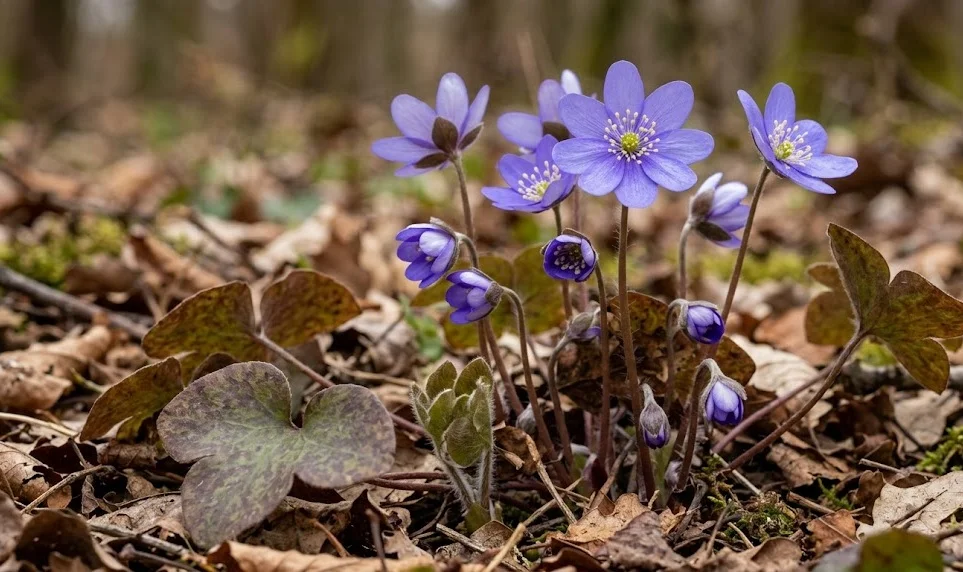

Protecting the common liverwort from various biological threats is a critical task for any gardener committed to maintaining a professional-standard display. While these plants are generally robust, they are not immune to the challenges posed by fungal pathogens, bacterial infections, and hungry garden visitors. Identifying a problem early is the most effective way to prevent a minor issue from becoming a localized disaster for your plant collection. A proactive approach to plant health focuses on prevention, sanitation, and the strategic use of biological controls.
Fungal diseases are perhaps the most common threat to woodland plants that live in the damp, shaded environments they prefer. Botrytis cinerea, also known as grey mold, can be particularly destructive during cool, wet spring weather when the flowers are emerging. It appears as a fuzzy grey growth on the petals and stems, quickly causing the delicate tissues to collapse and rot. Improving air circulation around the plants and removing infected material immediately are the best defenses against this pervasive fungus.
Leaf spot diseases can also affect the aesthetic appeal and vitality of the liverwort foliage throughout the growing season. These infections often manifest as small brown or black spots on the leaves, which may eventually merge and cause the entire leaf to die. Many leaf spot fungi are spread by splashing water, so careful watering at the base of the plant is a professional necessity. If an infection occurs, remove and destroy the affected leaves to stop the production of new fungal spores.
Root rot is a silent killer that is often caused by a combination of poor drainage and opportunistic soil-borne fungi like Phytophthora. Since the damage happens underground, the first visible sign is often a sudden wilting or yellowing of the foliage that does not respond to watering. If you suspect root rot, you must act quickly to improve the drainage of the site or move the plant to a better location. Unfortunately, once the main root system is severely compromised, the plant is often impossible to save.
Bacterial infections are less common but can be devastating when they do occur in a garden setting. Bacterial soft rot can cause the crown of the plant to turn into a foul-smelling, mushy mass during periods of high humidity and heat. There is no effective chemical treatment for most bacterial diseases, so sanitation is your only real defense. Always clean your tools with a disinfectant between plants and avoid creating wounds where bacteria can enter the plant tissue.
More articles on this topic
Managing common garden pests
Slugs and snails are the most frequent animal pests that you will encounter when growing common liverworts in a shaded garden. These mollusks are particularly fond of the tender new flower stalks and young leaves that emerge in early spring. A single night of heavy feeding can leave your plants looking tattered and significantly reduce the quality of the floral display. Professional pest management includes using physical barriers, hand-picking at night, or using wildlife-safe iron phosphate pellets.
Aphids are small, sap-sucking insects that can occasionally colonize the undersides of the leaves or the flower stems. While a few aphids are rarely a major problem, a large infestation can cause distorted growth and weaken the plant over time. They also secrete a sticky substance called honeydew, which can attract ants and provide a medium for the growth of sooty mold. A strong blast of water from a garden hose or an application of insecticidal soap is usually enough to control them.
Root aphids are a more specialized pest that can be difficult to detect because they live entirely below the soil surface. They feed on the roots, causing the plant to look generally unhealthy and stunted without any obvious cause on the foliage. If a plant is failing for no clear reason, carefully lifting it to inspect the roots for white, waxy insects may reveal the culprit. Treating root aphids often requires a specialized soil drench or, in severe cases, the complete replacement of the affected plant and soil.
Spider mites can become an issue during particularly hot and dry summers when the plant is already under stress from the heat. These tiny arachnids are almost invisible to the naked eye but create fine webbing on the undersides of the leaves. Their feeding activity causes a fine stippling or bronzing of the foliage, which can eventually lead to premature leaf drop. Maintaining adequate humidity levels and keeping the plants well-hydrated are the best ways to prevent mite outbreaks in your garden.
More articles on this topic
Prevention strategies and garden hygiene
The foundation of any professional pest and disease management program is the maintenance of impeccable garden hygiene. Regularly clearing away fallen leaves and dead plant material from around the crown of the liverwort removes hiding places for pests and overwintering sites for pathogens. This simple task significantly reduces the pressure on your plants and makes it easier to spot emerging problems. You should also ensure that your garden tools are kept clean and sharp to avoid spreading infections from one plant to another.
Quarantining new plants before introducing them into your main garden collection is a wise practice that can save a lot of future trouble. Spend a few weeks observing new arrivals for any signs of pests or diseases that might have been brought in from the nursery. This “waiting room” period allows you to treat any issues in a controlled environment before they have a chance to spread. A little extra patience during the planting phase can prevent a major outbreak in your established woodland beds.
Maintaining the overall vigor of your plants through proper watering and fertilization is the best way to make them naturally resistant to threats. A healthy plant has a much stronger immune system and can often outgrow minor pest damage or localized infections. Stress is a major precursor to disease, so keeping your plants happy and hydrated is a key part of your defensive strategy. Think of your care routine as a form of preventative medicine for your garden’s most delicate inhabitants.
Strategic plant spacing is another professional technique that can significantly reduce the risk of disease transmission within a colony. When plants are crowded together, air circulation is restricted and the humidity levels around the foliage remain high for longer. This creates a perfect environment for fungal spores to germinate and infect multiple plants at once. By giving each plant enough space to breathe, you are creating a much more difficult environment for diseases to take hold and spread.
Integrated pest management techniques
Integrated Pest Management, or IPM, is a professional approach that combines various control methods to achieve the best results with the least environmental impact. This strategy prioritizes non-chemical interventions like physical barriers, biological controls, and cultural practices over the use of harsh pesticides. By understanding the lifecycle of the pests and diseases, you can time your interventions for maximum effectiveness. This holistic view of the garden ecosystem leads to more sustainable and long-term success with your plants.
Encouraging beneficial insects like ladybugs, hoverflies, and lacewings will provide you with a free and effective pest control service. These natural predators feed on aphids and other small insects, keeping their populations in check without any need for human intervention. You can attract these helpful allies by planting a diverse range of flowering species that provide them with pollen and nectar throughout the year. A balanced garden ecosystem is much less likely to experience severe pest outbreaks than a monoculture.
Birds, toads, and ground beetles are also valuable members of your garden’s defensive team, especially when it comes to controlling slugs and snails. Providing habitats like small log piles or a shallow water feature will encourage these animals to take up residence in your garden. Avoiding the use of broad-spectrum pesticides is essential for protecting these beneficial creatures and maintaining a healthy biological balance. When you work with nature rather than against it, the burden of pest control is shared by many different organisms.
When chemical intervention becomes absolutely necessary, always choose the most specific and least toxic option available for the problem. Spot-treating an affected area is much better for the environment than spraying the entire garden with a general-purpose pesticide. Always read the label carefully and apply the product at the correct time of day to minimize the impact on pollinators and other non-target species. Professionalism in the garden means being a responsible steward of the land while protecting your valuable plant collection.
Long-term monitoring and diagnostic skills
Developing a “gardener’s eye” for the subtle changes in your plants is a skill that comes with experience and close observation. Make a habit of walking through your garden daily and looking closely at the foliage, stems, and flowers of your liverworts. Notice any changes in color, texture, or growth habit that might indicate the early stages of a problem. Keeping a garden journal can help you track patterns over time and identify recurring issues that may need a more permanent solution.
Consulting with local experts or professional diagnostic services can be very helpful when you encounter a problem that you cannot identify. Many universities and botanical gardens offer plant clinics where you can send samples for professional analysis and advice. Getting an accurate diagnosis is the first step toward an effective treatment and can prevent you from wasting time and money on the wrong solutions. Knowledge is your most powerful tool in the ongoing battle against garden pests and diseases.
Sometimes, the best professional decision is to remove a severely infected plant entirely to protect the rest of your collection. While it can be painful to lose a prized specimen, leaving a diseased plant in the garden is an unnecessary risk for its neighbors. When removing a plant, be sure to take as much of the surrounding soil as possible and do not add the material to your compost pile. This “scorched earth” approach is sometimes the only way to break the cycle of infection and ensure a healthy future for your garden.
Finally, remember that some level of pest activity is a normal and healthy part of any living garden ecosystem. A few holes in a leaf or the presence of a few aphids is not a reason to panic or reach for the nearest chemical spray. Professional gardening is about finding a balance where the plants can thrive and the local wildlife can coexist in a beautiful, functioning landscape. Your goal is to manage the challenges of nature with wisdom, patience, and a deep respect for the complexity of the biological world.